Editor's Picks

While working on a list of synonyms of European White...
Roderick Cameron
|
Aug 24, 2026
Report led by The Morton Arboretum will help prioritize oak...
Website Editor
|
Aug 06, 2026
Motivation
I live in the village of Dolné Dubové...
Jozef Čapkovič
|
Jul 20, 2026
Plant Focus
The only oak species endemic to Africa is rare in cultivation. It shouldn't be.
These are brief summaries of research papers that have come to our attention and which may be of interest to members.
The Iberian white-oak syngameon as a legacy of introgression in southern Europe
Carlos Vila-Viçosa, Ricardo Arraiano-Castilho, Francisco M. Vázquez, Rubim Almeida, Cristina García, Albano Beja-Pereira, Andrew L. Hipp, Herlander Azevedo.
bioRxiv. Posted June 11, 2026.
https://doi.org/10.64898/2026.06.09.730892
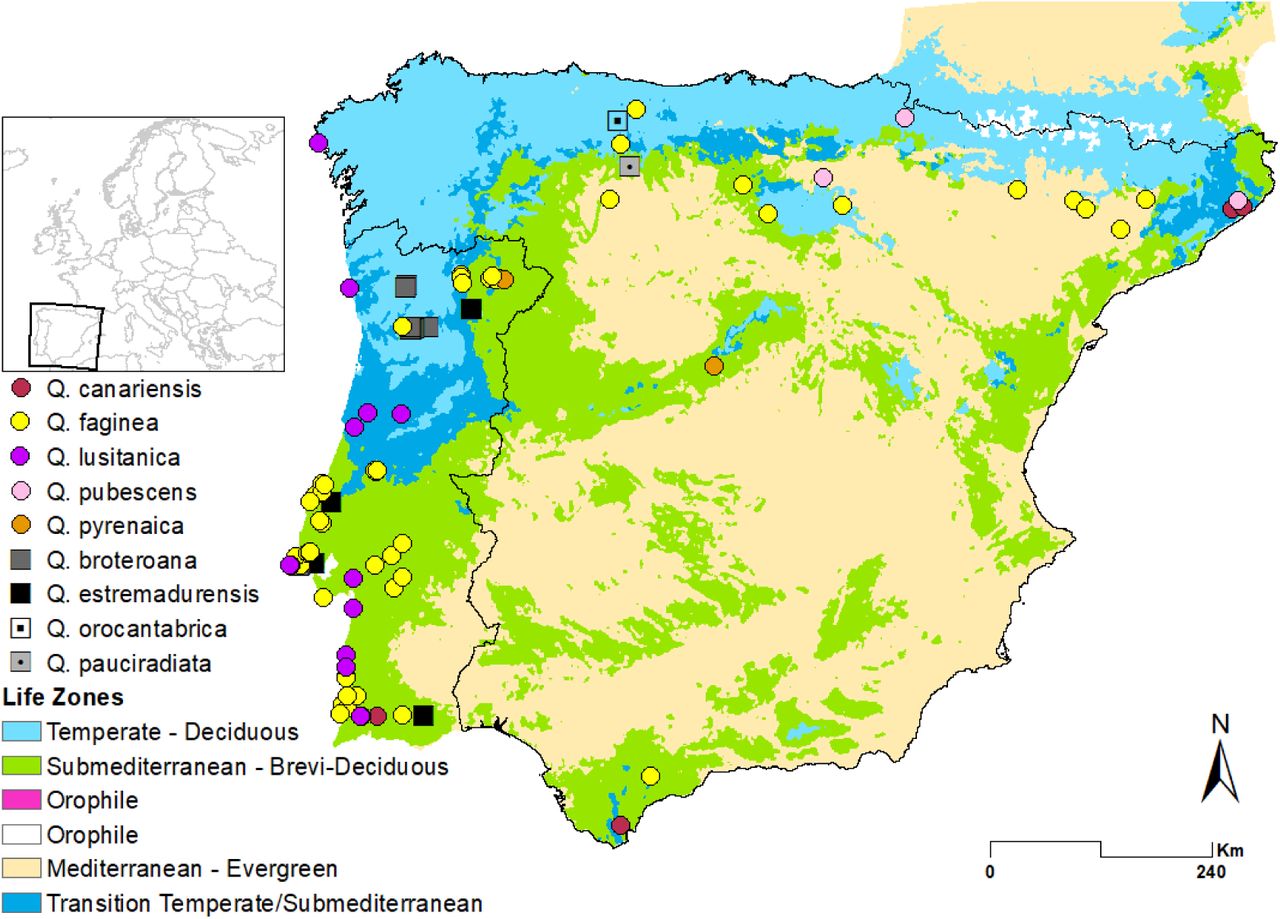
This preprint, which has not yet been peer-reviewed, describes how the authors used RAD-seq to characterize 38 taxa (including nothotaxa) and investigate the evolutionary history of the Iberian white oaks. Results led to a readdressing of Iberian white oak species, expanding our current understanding of the phylogeography of the European Section Quercus. The molecular evidence led to the circumscription of two new subsections, reflecting the contrast between typical temperate and Atlantic-distributed species (Group A), and the submediterranean marcescent oaks (Group B). The former unveiled the recovery of Q. estremadurensis and a Northwestern Iberian lineage represented by Q. broteroana and Q. orocantabrica as southwestern representatives of the broad European pedunculate oaks (Q. robur s.l.). The latter led to the validation of hybrid swarms, emphasizing the Iberian oak syngameon and the importance of gene flow to oak evolution.
Note that the relationship between Q. broteroana and Q. orocantabrica has been subsequently clarified.
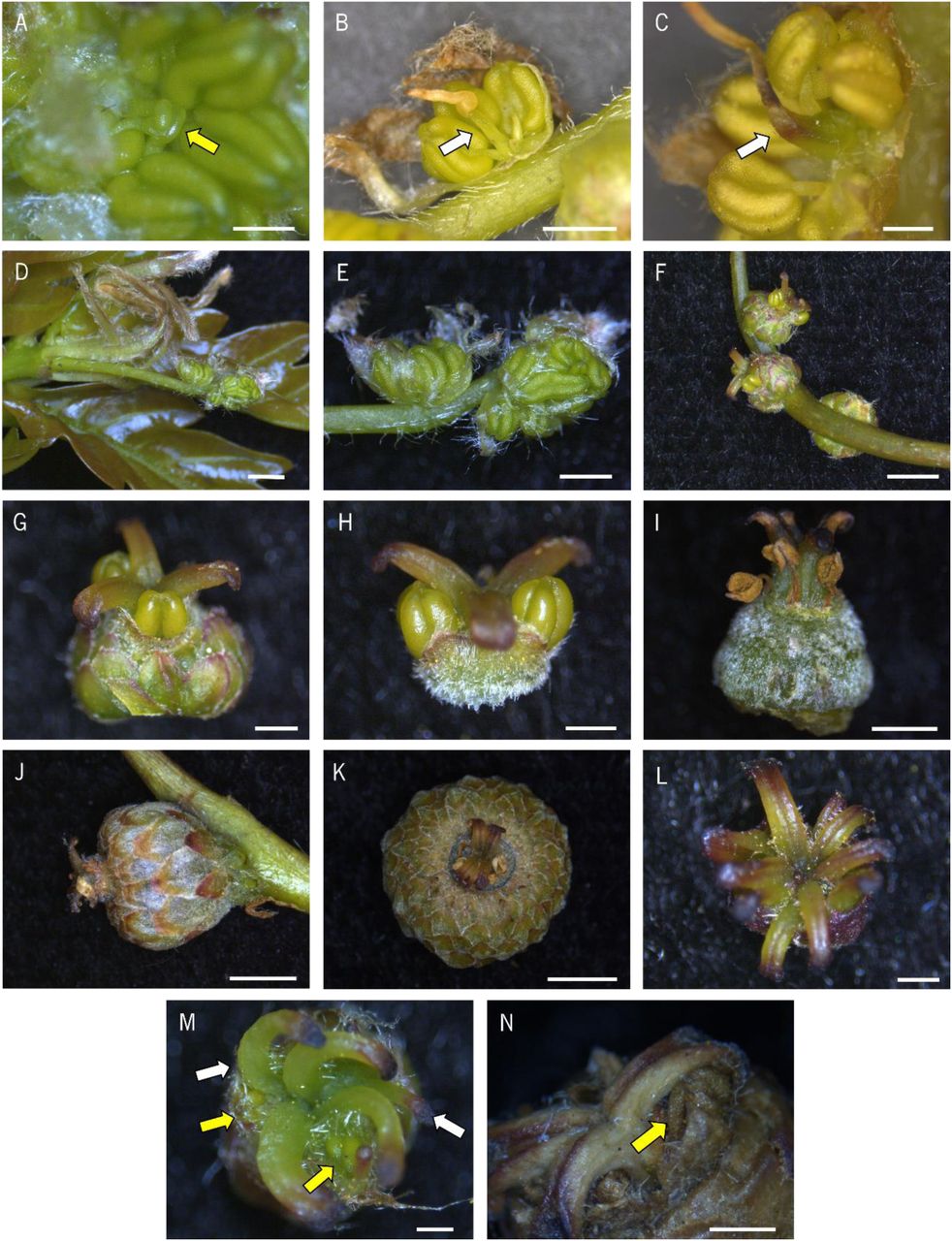
Recurrent Hermaphroditism and Sex-Biased ABCDE Gene Expression Reveal Latent Floral Plasticity in the Pedunculate Oak Lineage (Q.robur s.l.)
Hugo R. Afonso, Mariana Macedo, Herlander Azevedo, Carlos Vila-Viçosa, M. Manuela R. Costa.
bioRxiv. Posted July 15, 2026.
https://doi.org/10.64898/2026.07.14.738412
The genus Quercus is typically considered strictly monoecious, but several reports of atypical flowering across the genus challenge this, suggesting that flowering in oaks may be more flexible than traditionally assumed. In the work described in this preprint (awaiting peer review) the dynamics of flower development in Q. orocantabrica were examined to correlate contrasting floral morphologies with divergent molecular profiles.
Recurrent and widespread hermaphroditic flowering was detected in several Q. orocantabrica trees. Gene expression analysis of male, female and hermaphroditic flowers revealed a sex-biased expression of Q. orocantabrica B- and C-class genes, with the B-class gene QoPI in particular being tightly associated with the presence of fully-developed stamens. In addition, the expression of the C-class gene QoSHP contrasted with reports in other Fagaceae, highlighting a potential functional divergence of the C/D-class lineage within the family. The results indicate that the dynamics of floral sex identity in oaks are more plastic than traditionally assumed, supporting a reinterpretation of oak reproductive biology based on a versatile and resilient framework responsive to different developmental contexts.
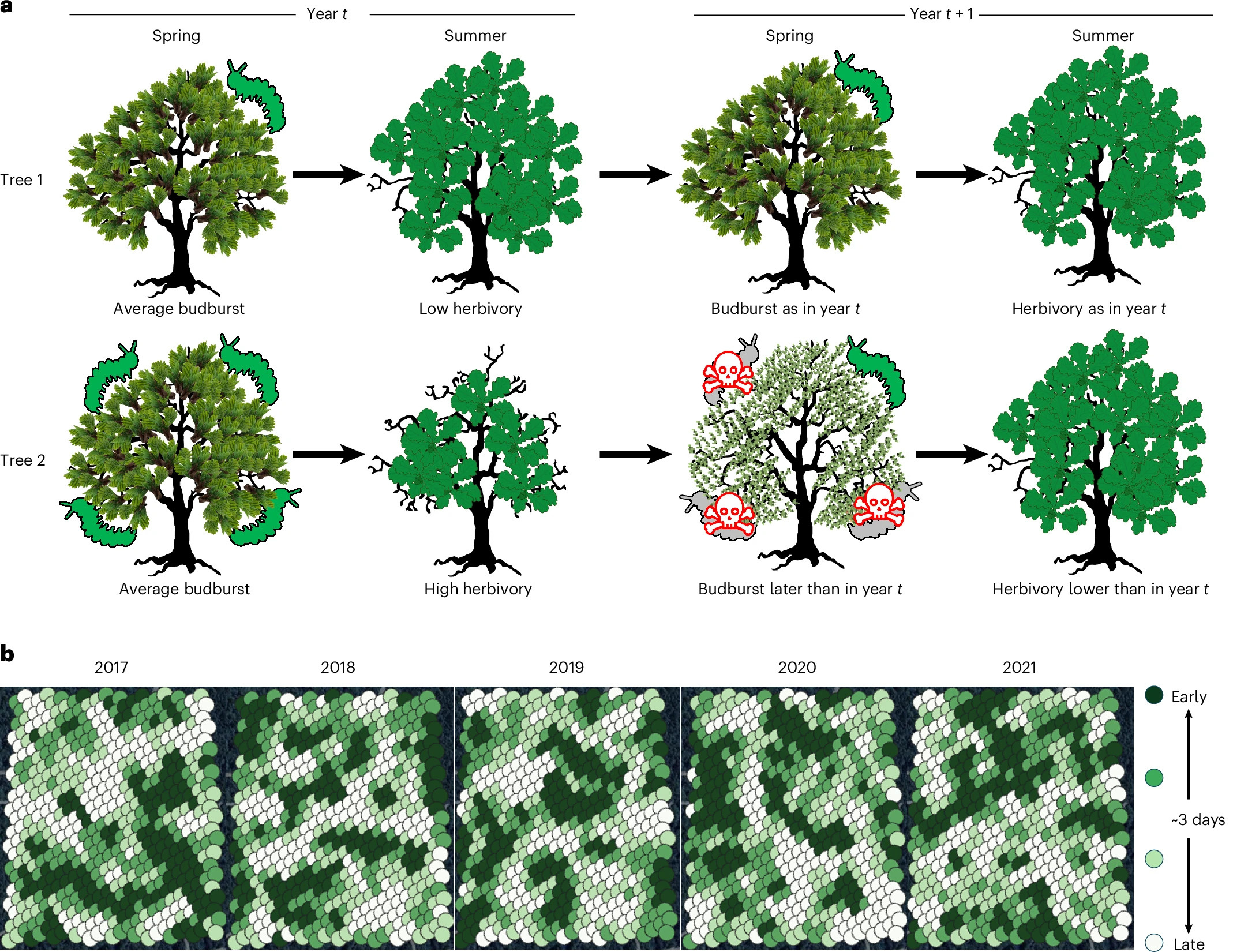
Satellite data show trees delay budburst across landscapes to escape herbivores
Mallick, S., J. Lichter, S. Bae, T. Kneib, F. Molleman, B.M.L. Leroy, ...and A. Prinzing.
Nature Ecology & Evolution 10: 1287–1295. 2026.
https://doi.org/10.1038/s41559-026-03071-9
A study which used satellite imagery to monitor 60 woodland sites with pedunculate oak (Quercus robur), sessile oak (Q. petraea) or both, in Bavaria, southern Germany, between 2017 and 2021 found that trees supporting large populations of leaf-eating caterpillars in the spring of one year delayed budburst by an average of three days in the next spring, with the consequence that caterpillar survival was substantially affected and leaf herbivory damage reduced by around 55 per cent. Leaf-feeding caterpillars in temperate areas usually synchronize hatching to budburst, when young leaves are particularly palatable and nutritious, so any delay can lead to death by starvation, not only at the scale of single trees, but across entire landscapes.
This may be the key to resolving a long-standing evolutionary puzzle: why advances in the date of budburst often lag behind ambient temperature increases due to climate change. Other studies have indicated that rising spring temperatures can advance budburst by two and a half days per decade, so these findings suggest that a year of increased leaf herbivory can counteract a decade or more of changes in the timing of budburst caused by climate warming.
If the trees were to increase tannin production to deter herbivory, that would require significantly more energy expenditure than is needed to delay leaf emergence. This suggests (to this reviewer) that the processes of natural selection have created an evolutionarily stable strategy, although the authors caution that, in the longer term, “trees may be trapped between responding to two opposing consequences of global change: warming selects for earlier budburst, whereas herbivory selects for delay.”
The authors are cautious about suggesting a potential mechanism that gave rise to this adaptation, other than a curious (and, if intended to be taken literally, frankly ludicrous) suggestion that “(t)rees appear to choose to adjust their phenology on the basis of recent herbivory”, an appeal to both extraordinary agency and teleology that is also reflected in the title.
So, a very useful observational study that requires further work to establish potential mechanisms.
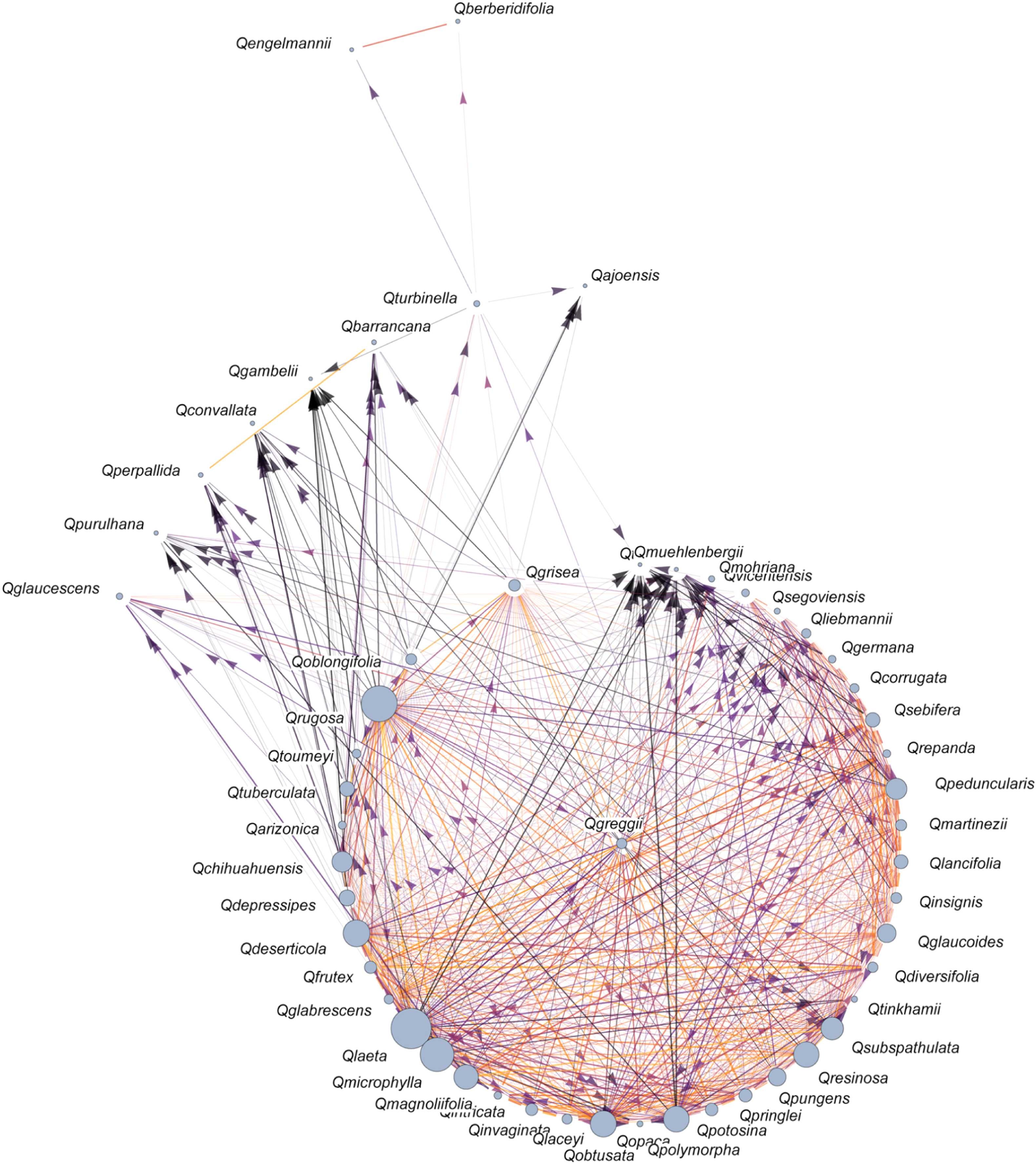
Prioritization of areas for conservation of oaks (Fagaceae: Quercus) across their global biodiversity hotspot based on richness, endemism, and introgression
M. Isabel Loza, Kieran Althaus, Adam B. Smith, Susana Valencia-A, Charles H. Cannon, Silvia Alvarez-Clare.
Global Ecology and Conservation 68: e04251, August 2026.
https://doi.org/10.1016/j.gecco.2026.e04251
Over 20 per cent of Mexican oaks are threatened with extinction, highlighting the critical need for immediate conservation action. Identifying areas with high conservation value that simultaneously encompass diversity, endemism, and threat criteria can maximize conservation impact. This investigation used species distribution models generated with Maximum Entropy (MaxEnt) and generalized linear models (GLMs) for 121 oak species to identify conservation priority areas by integrating measures of species richness, geographic endemism, and ecological endemism into an equally weighted multicriteria metric of conservation priority. It also considered areas of potential hybridization. The Sierra Madre Oriental, Trans-Mexican Volcanic Belt, and Sierra Madre del Sur consistently had the highest conservation value for oaks based upon our multicriteria analysis. Areas of high potential hybridization were likewise concentrated in these regions. About 80 per cent of areas identified as high value for oak conservation were not located in legally protected areas. Future conservation efforts should integrate land protection with community-based conservation and ex-situ collections, focusing on key high-value areas to maximize species diversity and strengthen forest resilience.
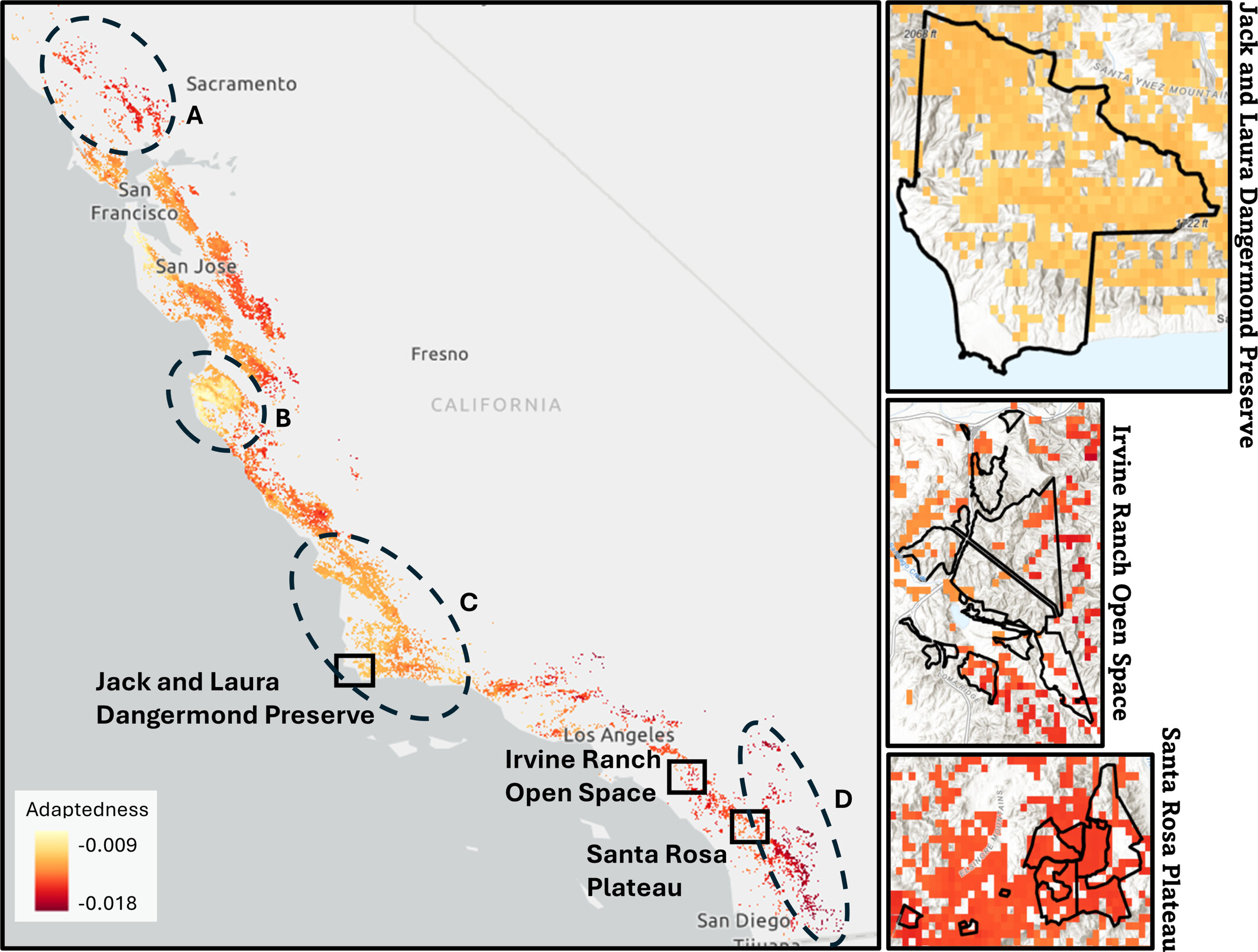
Landscape Genomic Analyses of Quercus agrifolia Née Predict Patterns of Adaptedness to Future Climate and Provide Guidance for Conservation
Ryan C. Buck, H. Scott Butterfield, Elizabeth Hiroyasu, Jeanette Howard, John Knapp, Zachary Principe, Victoria L. Sork.
Evolutionary Applications 19: e70224, 23 February 2026.
https://doi.org/10.1111/eva.70224
It is challenging to identify where to locate preserves and how to manage them to protect species and the ecological and evolutionary processes that will maintain future biodiversity. One emerging conservation tool is landscape genomics, which allows us to identify populations that may be maladapted to future climate and thereby helps prioritize areas for acquisition (areas of high adaptedness), restoration (areas of low adaptedness), and management. Using whole-genome sequence data of 171 adult trees, the authors studied the climate adaptedness of California populations of coast live oak (Quercus agrifolia) to develop a conservation management strategy, including direct acquisition, land management, and restoration that addresses the predicted impact of future climate. Over the range of coast live oak, the northernmost and southernmost stands are predicted to be more at risk for maladaptation to climate change, with the central coast of California containing stands with high adaptedness, including in unprotected areas that might benefit from protection. Using three large preserves managed by The Nature Conservancy (TNC), the paper illustrates how moving seeds from low- to high-elevation parts of preserves could benefit future populations range-wide by increasing overall climate adaptedness.
The choice of coast live oak as the subject for investigation is interesting and surprising, given that the investigation by McLaughlin et al., 2026 treated it as of least concern, even under a changing climate.
And finally, a paper that the bioinformatically-challenged editorial staff find utterly baffling, so here we repeat the abstract without any attempt at interpretation.
quercusTOA: integrating functional annotations and comparative genomics across oak lineages
Fernando Mora-Márquez, Mikel Hurtado, Unai López de Heredia.
Frontiers in Bioinformatics 6: 1821531. 01 June 2026.
https://doi.org/10.3389/fbinf.2026.1821531
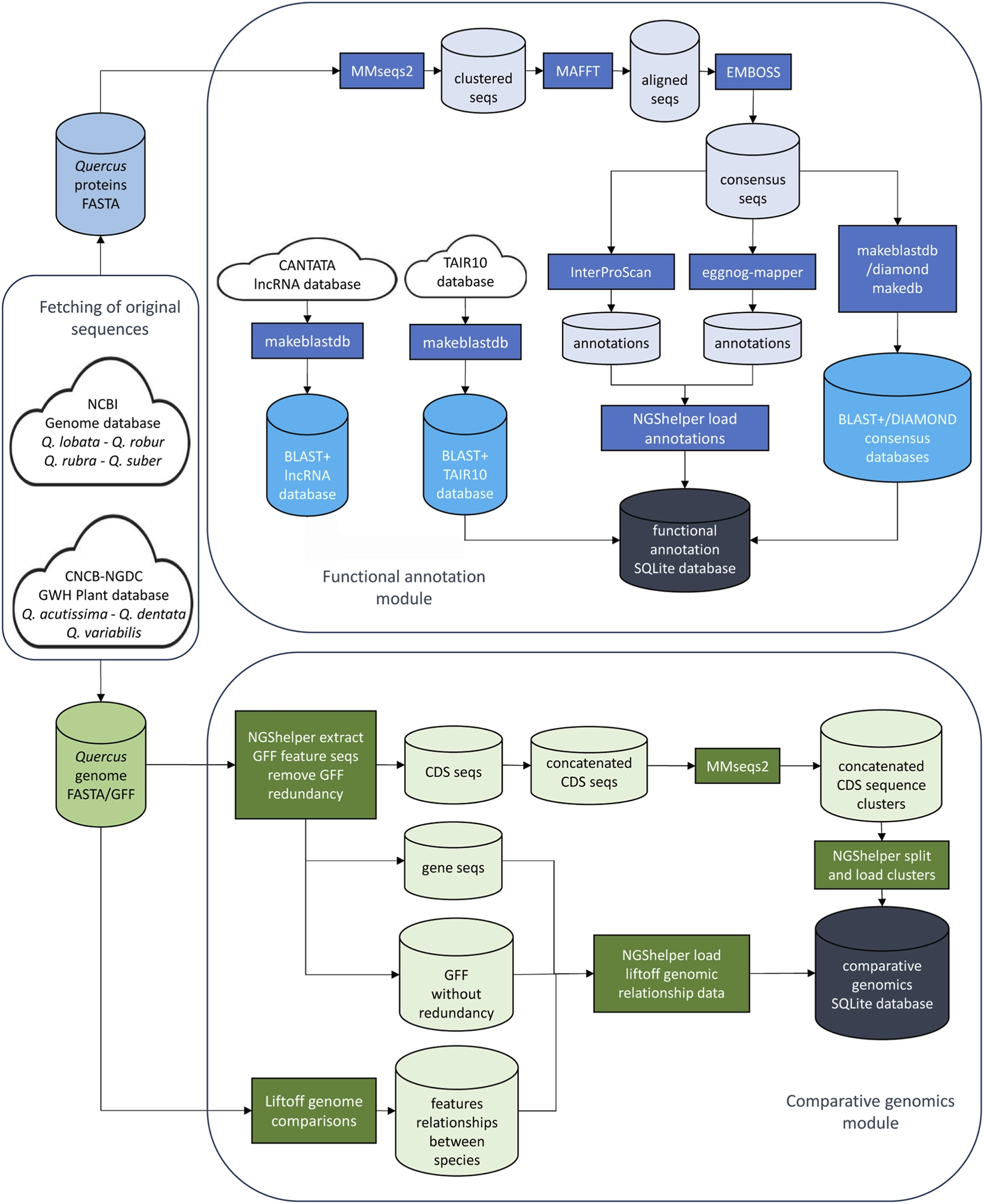
Oaks (Quercus L.) are key components of Northern Hemisphere Forest ecosystems, yet the integration of their rapidly growing genomic resources remains challenging. Here, we present quercusTOA, a genomic and functional resource that integrates nine Quercus genome assemblies. By combining automated functional annotation (InterProScan, eggNOG-mapper) with comparative genomics via genomic lift-over, we have developed a relational database designed to link protein-centric annotations with positional genomic data. Our results demonstrate that this integration supports cross-species ortholog identification and synteny analysis. To facilitate data access and exploration, we provide the quercusTOA-app, a user-friendly interface that streamlines database management and specific bioinformatic tasks. These include functional annotation, sequence-based homology searches, and multiple sequence alignments. Furthermore, the application enables the construction of phylogenetic trees for individual orthologous genes and proteins, allowing for the study of specific sequence evolution across the included assemblies. quercusTOA provides a standardized and scalable framework for evolutionary and functional studies in Quercus, offering a consistent approach to maintain genomic coordinate synchronization across the genus.
Content by the Same Author
The International Oak Society acknowledges the generous support of the following institutions:
Supporting Institutional Members




Standard Institutional Members