Editor's Picks
Website Editor
|
Oct 26, 2026

We were shocked to learn that Julianne Skai Arbor, also...
Website Editor
|
Oct 26, 2026
Over the past two decades, the Zagros forests have been...
Mehdi Pourhashemi
|
Oct 10, 2026
Plant Focus
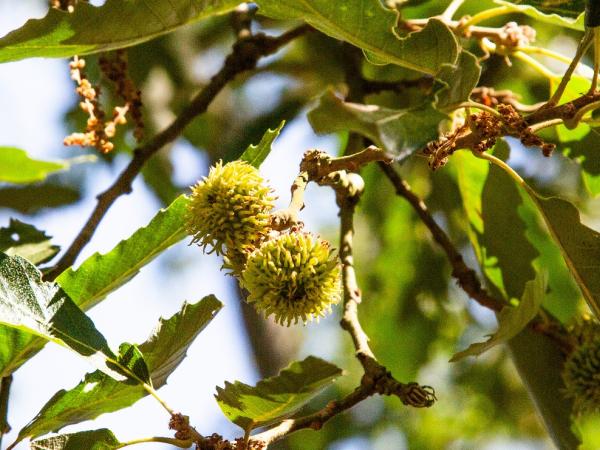
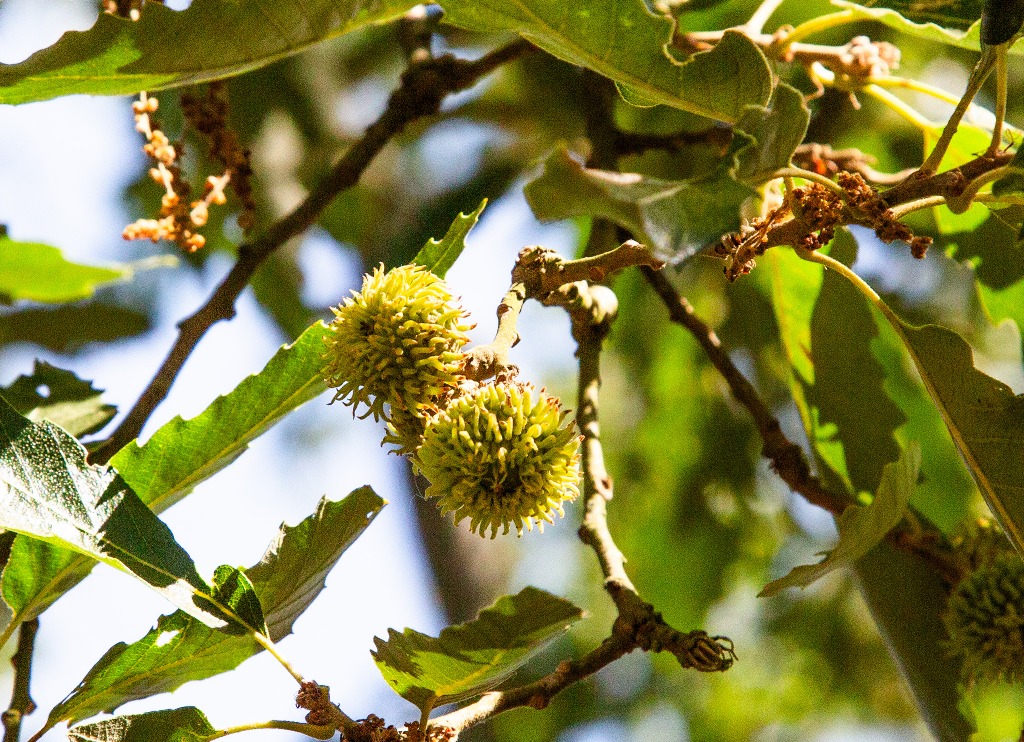
The only oak species endemic to Africa is rare in cultivation. It shouldn't be.
The Morton Arboretum, in partnership with Botanic Gardens Conservation International, the Global Conservation Consortium for Oak, and the International Oak Society, is conducting an ex-situ collections survey of priority oak (Quercus) taxa native to Western Eurasia and North Africa (taxa list here). We are seeking accession-level (provenance) information for target taxa represented in living plant collections and/or herbaria. Your accession data will help us pinpoint the locations of wild plants for use in spatial analysis, assess threats to wild populations, and support broader outreach to prioritize conservation action for regions and species. Overall, a final report will highlight key areas of need by region and species to prioritize conservation action and prevent extinction of the target taxa.
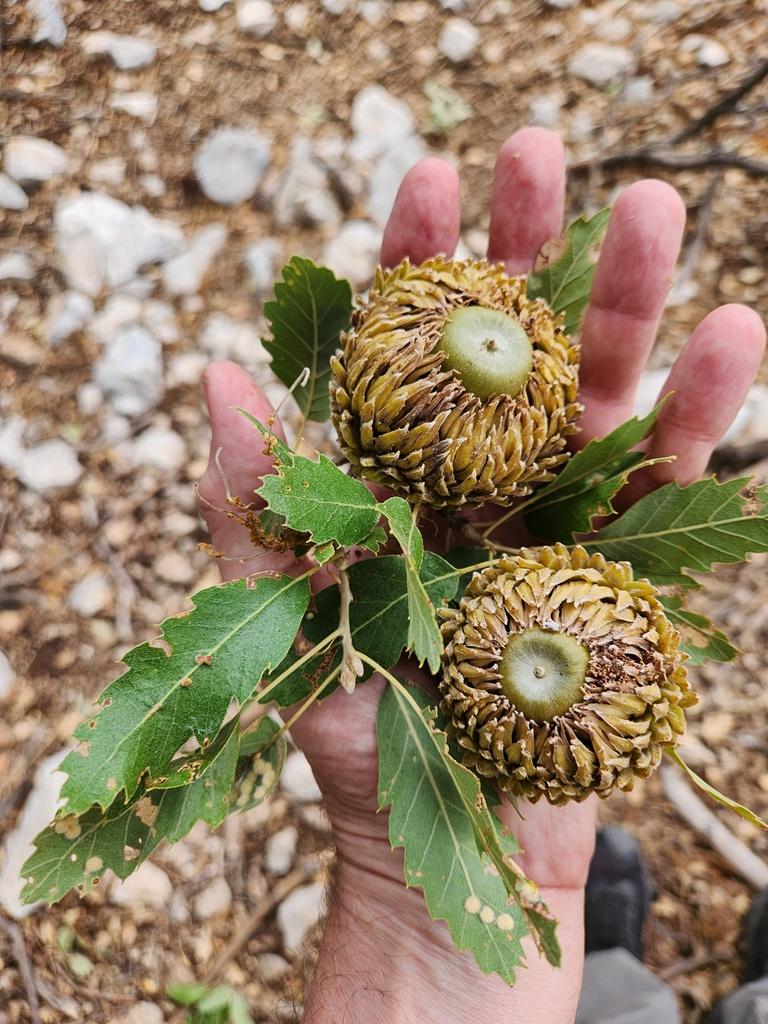
© Roderick Cameron
DATA REQUEST
If you or your institution hold collections of the priority taxa, we kindly request your plant records information.
Target taxa: Depending on which is easier for you, please send us either 1) accessions data for any/all of our target taxa specifically, or 2) accessions data for all Quercus species in your collection.
Format: Report (Excel or CSV) of accessions, including provenance information; please follow this template if possible; alternatively, we are happy to accept raw accessions data exports if easier for you.
Send to: gapanalysis@mortonarb.org
Preferred deadline: December 7, 2026
Please contact treeconservation@mortonarb.org if you have questions or if you could use our assistance compiling your data.
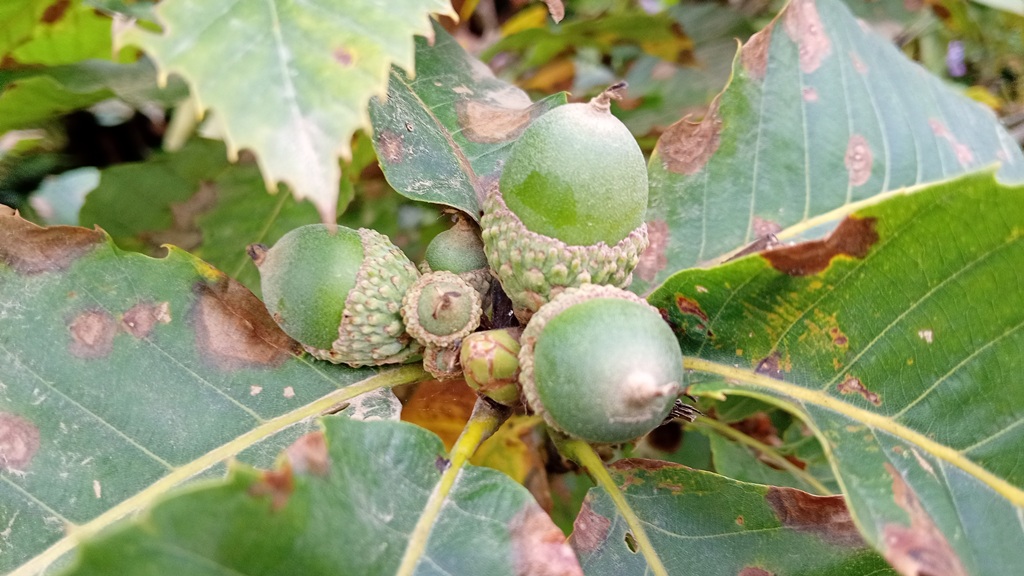
© Roderick Cameron
PERMISSION TO USE DATA
All data will be managed confidentially and securely, and we would be glad to chat with you if you have any concerns. Locality data will not be made public. Data contributions to this study will be acknowledged where appropriate. Please note, by contributing data to this study, you are agreeing to BGCI’s Data Sharing Agreement and to the inclusion of your data in BGCI’s PlantSearch Pedigree module.
© James MacEwen
FOR MORE INFORMATION ABOUT THIS PROJECT
This project aims to help the conservation community of Western Eurasia and North Africa to achieve a diverse set of conservation goals with their living collections, including optimizing genetic diversity, ecological diversity, and conservation value, and in-situ conservation goals for the priority oak taxa in this region. Our team is grateful for critical data contributions by partners. This survey meets additional goals, as the ex-situ collections data will guide the development of the Western Eurasia and North Africa Oak Gap Analysis, which will follow the same format/methodology of the Conservation Gap Analysis of Select Native Asian Oaks (Good et al., 2026), and will support the overall goals of the Global Conservation Consortium for Oak (GCCO) and the International Oak Society, supported by BGCI.
Content by the Same Author
The International Oak Society acknowledges the generous support of the following institutions:
Supporting Institutional Members



Standard Institutional Members