Editor's Picks
Website Editor
|
Oct 26, 2026

We were shocked to learn that Julianne Skai Arbor, also...
Website Editor
|
Oct 26, 2026
Over the past two decades, the Zagros forests have been...
Mehdi Pourhashemi
|
Oct 10, 2026
Plant Focus
The only oak species endemic to Africa is rare in cultivation. It shouldn't be.
Oak Decline in Zagros Forests: A Review of History, Causes, Extent, and Management Strategies with Emphasis on Field Monitoring Results
Professor, Forest Research Division, Research Institute of Forests and Rangelands, Agricultural Research, Education and Extension Organization (AREEO), Tehran, Iran
Introduction
The Zagros forests, extending approximately five million hectares across western and southern Iran, represent one of the most valuable and sensitive natural ecosystems in the country. Spanning from the Piranshahr region in West Azerbaijan province to the vicinity of Firuzabad in Fars province (Figs. 1, 2), these forests account for about 40% of Iran's total forest cover. The three main oak species (Quercus brantii Lindl., Q. infectoria Oliv., and Q. libani Oliv.) constitute the dominant elements of these woodlands and play a vital role in water resource provision, soil conservation, climate regulation, and the livelihood of local communities (Sagheb Talebi et al. 2014). However, over the past two decades, the Zagros forests have been affected by an emerging and complex phenomenon known as “oak decline”, which has become one of Iran's most significant environmental challenges (Pourhashemi et al. 2017a).
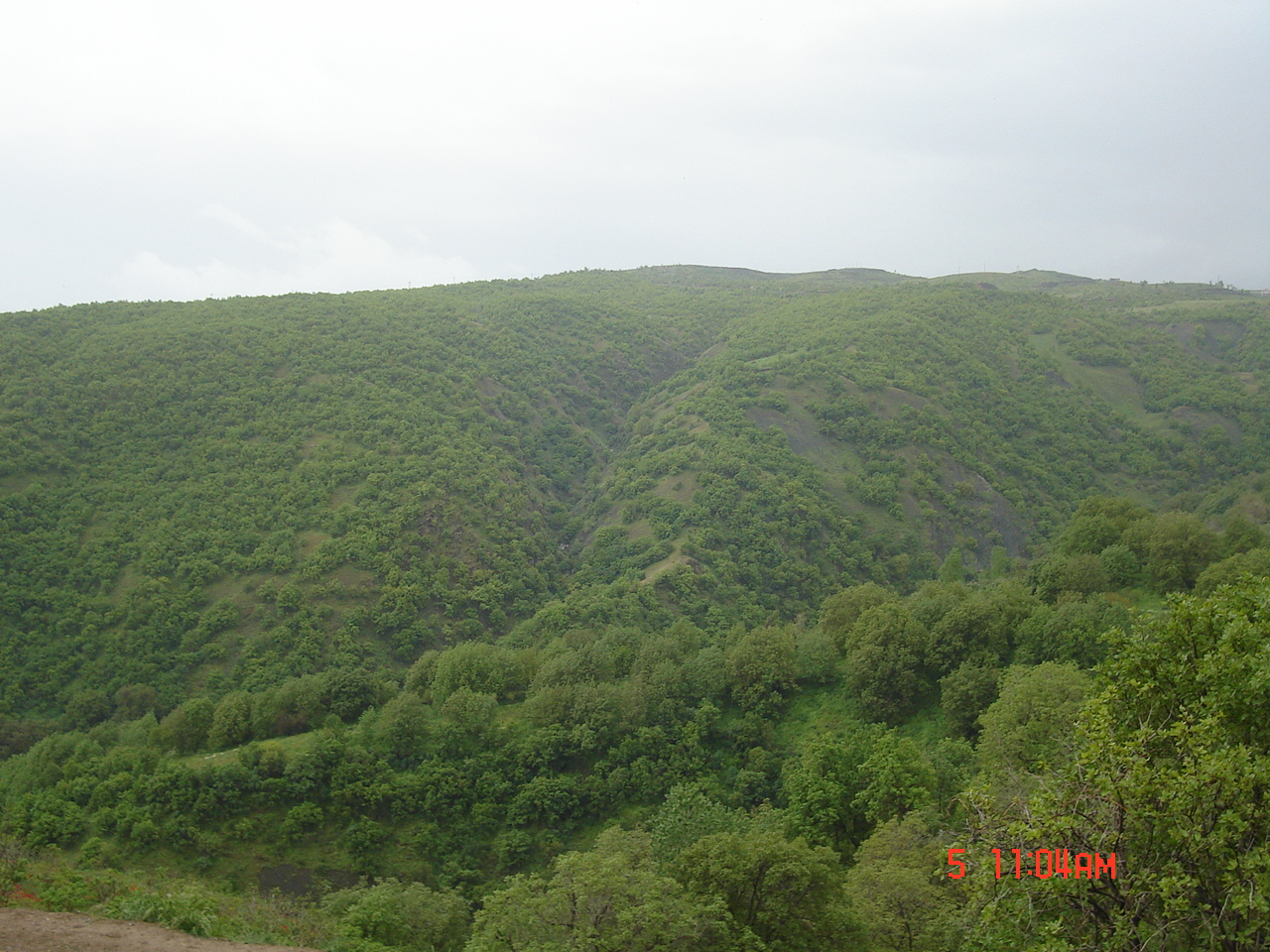
© Mehdi Pourhashemi
Oak decline is a multidimensional and complex syndrome arising from the interaction of various biotic and abiotic factors. This phenomenon, which occurs gradually over many years, leads oak trees from physiological weakness to complete dieback and ultimately tree mortality (Carluccio et al., 2025). It is well established that oak decline is a global phenomenon, reported not only across various parts of Europe—where it has been documented for over a century—but also in the United States, North Africa, and Asia (Scortichini 2025). Nevertheless, the speed and extent of its spread in the Zagros forests have turned it into a national crisis, demanding serious commitment and a comprehensive program for its mitigation and control (Pourhashemi et al. 2017b).
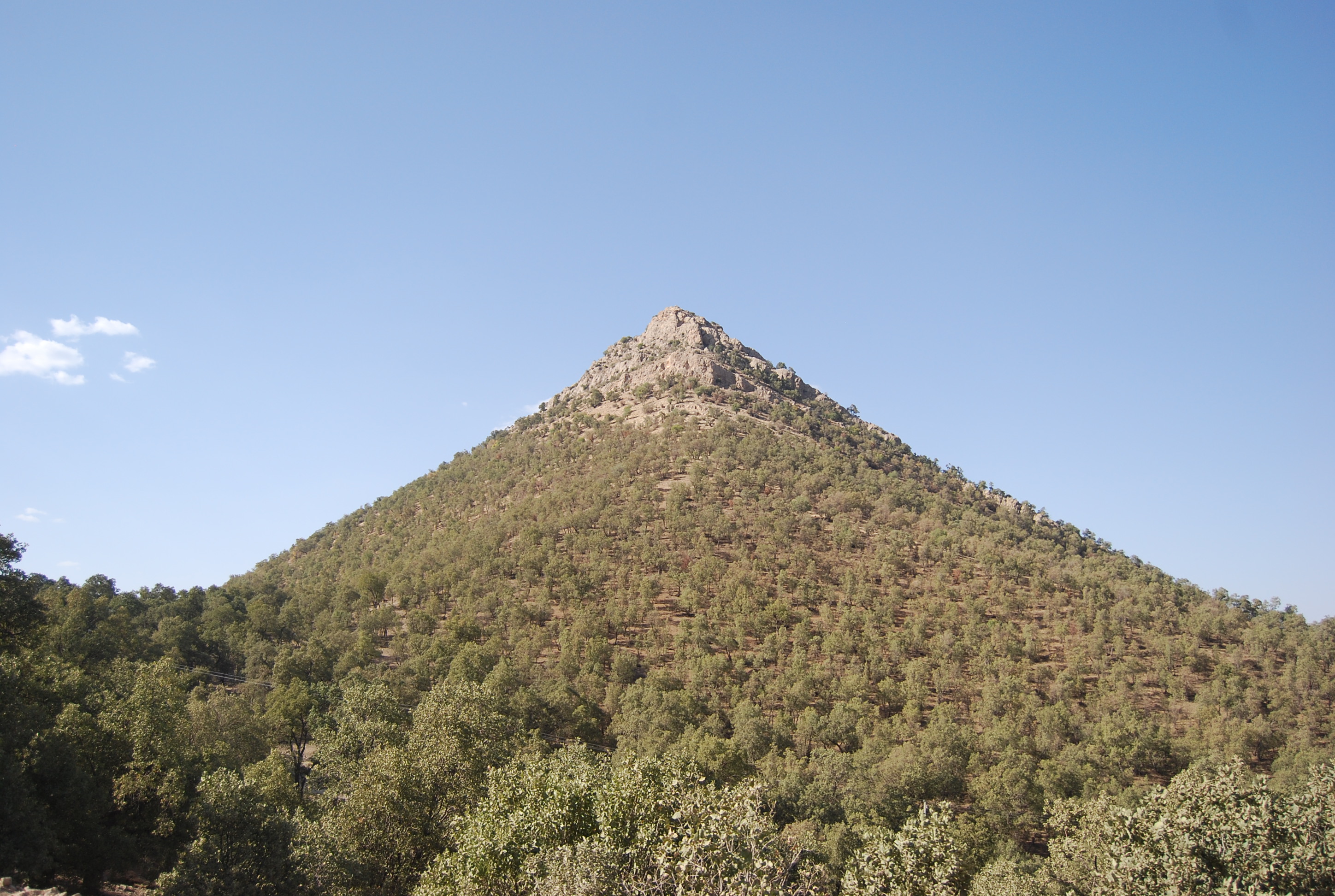
© Mehdi Pourhashemi
History of Oak Decline in Iran's Forests
The oak decline phenomenon has occurred both in the humid and semi-humid Hyrcanian forests in northern Iran and in the dry and semi-dry Zagros forests. However, this phenomenon occurred more intensely in the Zagros forests and is still ongoing (Fig. 3). This can be attributed to factors including the greater geographical extent, the dominance of oak genus, the dry and semi-dry climate, and the higher levels of human utilization and interference in the Zagros forests (Pourhashemi and Sadeghi 2019).
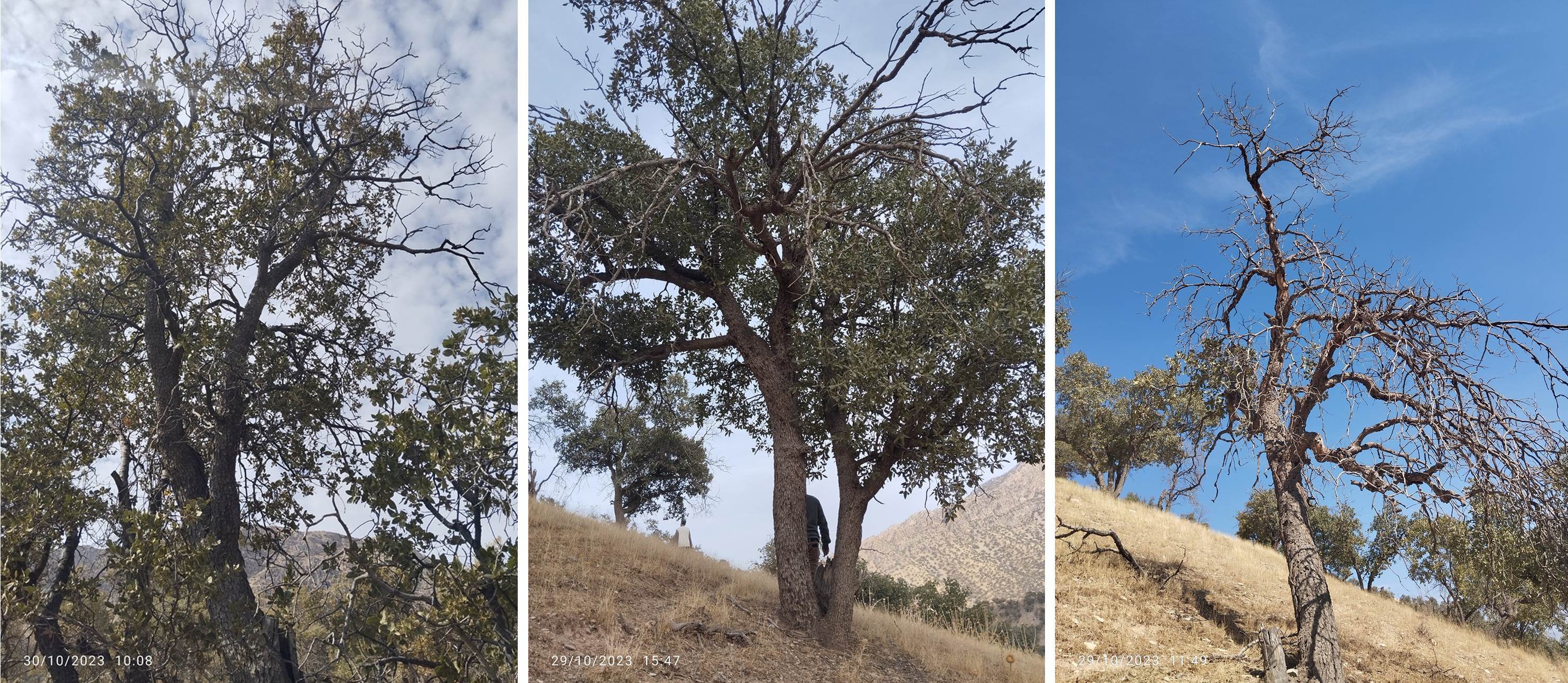
© Firuzeh Hatami
The earliest reports of oak decline in the Zagros forests date back to the 2000s. According to available records, the first symptoms of this phenomenon were observed in 2006 in the forests of Ilam province (Arefipour 2009). Subsequently, in 2009, with the occurrence of decline on a broader scale, field surveys by experts were conducted and their findings were published (Azizkhani and Arefipour 2010; Arefipour et al. 2011). The affected areas included the provinces of Ilam, Fars, Lorestan, Chaharmahal and Bakhtiari, Kohgiluyeh and Boyer-Ahmad, Kermanshah, and Khuzestan. The affected species was Q. brantii (Anonymous, 2014). Simultaneously, the oak decline phenomenon was reported in 2010 from Q. castaneifolia in the Hyrcanian forests (Mirabolfathy et al. 2011), and subsequently from the Hyrcanian and Zagros forests on Quercus spp. and Zelkova carpinifolia trees (Mirabolfathy 2013).
With the importance of the oak decline crisis in the Zagros forests, various working groups were established at the national level, including the “Oak Decline Management Working Group” in 2010 and the “Strategic Group for Sustainable Management of Zagros Forest Ecosystems” in 2013. These efforts culminated in the formulation of the "National Document for Crisis Management of Zagros Forests Decline" in 2013, followed by the "Action Plan for the Oak Decline Crisis in Zagros Forests" (Pourhashemi et al. 2017b). Unfortunately, the proposed plans of the aforementioned working groups were not implemented, and therefore the oak decline crisis still continues.
Causes of Oak Decline in Iran's Forests
A complex of factors contributes to the onset and exacerbation of oak decline, generally classifiable into two categories: biotic and abiotic.
Abiotic (environmental and climatic) factors rank among the most important predisposing elements. Among these, long-term droughts and rising temperatures play a key role in weakening trees and creating favorable conditions for the activity of other agents. Research indicates that reduced precipitation and increased climatic parameters—including air temperature, wind speed, solar radiation, and evapotranspiration—raise the probability of tree decline or intensify the phenomenon (Attarod et al. 2016; Haidari et al, 2025). In addition to climate change, dust storms and the heavy metals contained in dust particles, which are absorbed by trees through leaves and roots, constitute another effective abiotic factor in oak decline (Jahanbazi Goujani et al. 2018; Jamali and Haack 2024). Soil properties are also determining factors; shallow soils, due to their low water-holding capacity and lower fertility, expose trees to earlier drought stress (Mehri et al. 2024).
Biotic factors are other contributors to the onset and exacerbation of decline, including pests, diseases, and parasitic plants. Among the most significant pathogens are Biscogniauxia mediterranea (oak charcoal disease) and Obolarina persica (Mirabolfathy et al, 2011; 2013; Fig. 4). Alongside fungi, wood-boring beetles from the families Buprestidae and Cerambycidae are among the most important pest agents causing decline. By creating numerous holes in trunks and branches, they not only mechanically weaken the tree but also play a significant role in transmitting the fungi causing oak charcoal disease (Jamali and Haack 2024). Continental mistletoe (Loranthus europaeus) also contributes to tree weakening and decline intensification by reducing mineral elements such as nitrogen, potassium, phosphorus, and magnesium in leaves (Mirzaei et al. 2018).
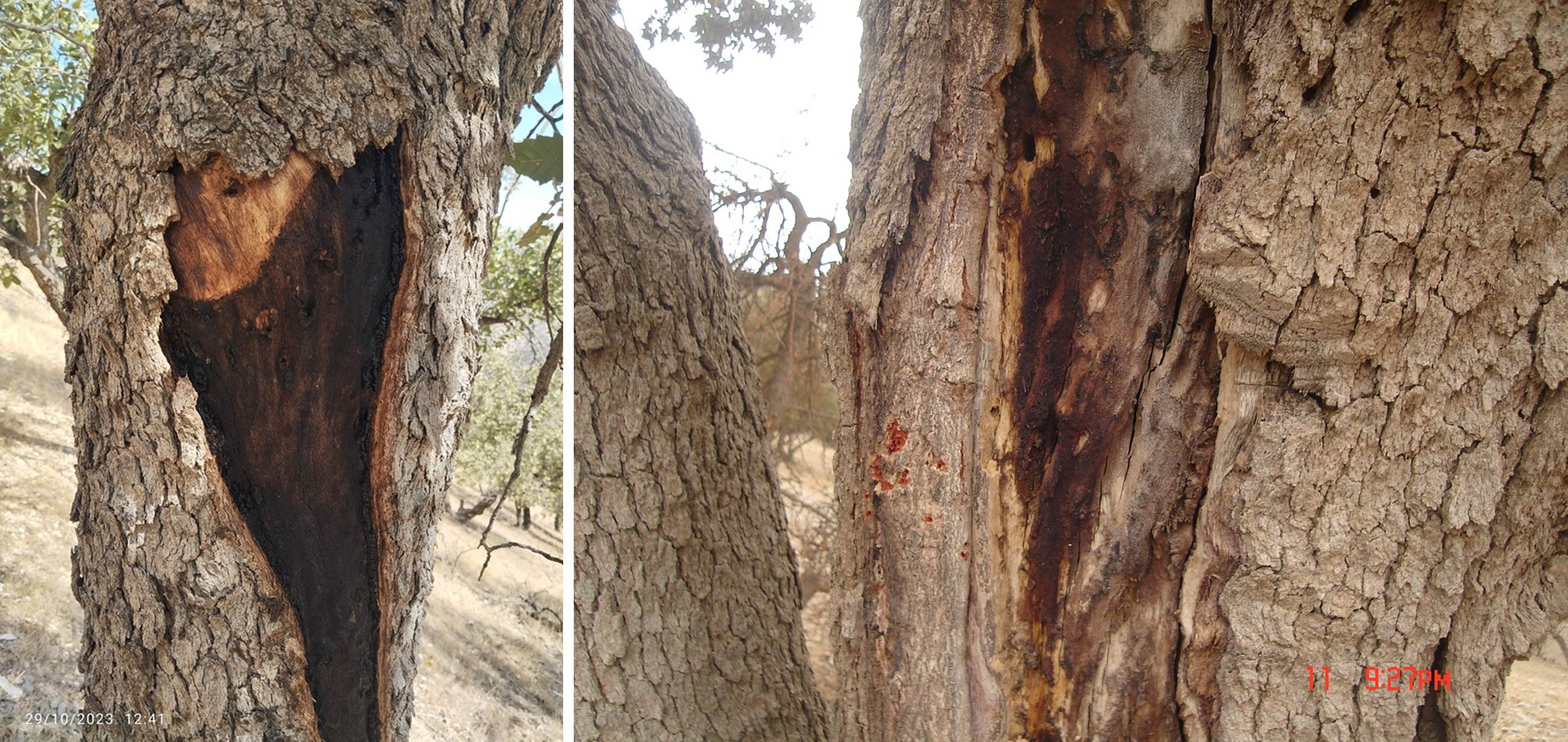
© Mehdi Pourhashemi
Human and management factors also play a considerable role in exacerbating the crisis. Local communities in the Zagros region have long exerted various pressures on oak trees and forest stands through diverse practices. Traditional exploitation of wood and non-timber forest products, rain-fed agriculture underneath trees, uncontrolled and excessive livestock grazing, and forest land conversion to agricultural lands are among the most critical human-induced factors that have weakened the Zagros forests over many years (Pourhashemi et al., 2004).
Extent of Forests Affected by Oak Decline from Past to Present
According to official reports, in 2009 and 2010 an area of approximately 100,000 hectares of Zagros forests had suffered dieback due to oak decline. This area rapidly increased, reaching over one million hectares by 2014 (Anonymous 2012; 2014). The results of field monitoring conducted under the project “Assessment and Monitoring of Oak Decline in Zagros Forests (Phase I)” across 30 sample plots in the Zagros provinces—including West Azerbaijan, Kurdistan, Kermanshah, Lorestan, Ilam, Chaharmahal and Bakhtiari, Kohgiluyeh and Boyer-Ahmad, and Fars—have provided valuable insights into the decline trend over a four-year period (2019–2022) (Jahanbazi Goujani et al. 2024). According to the results of this project, the rate and intensity of dieback in Chaharmahal and Bakhtiari and Kermanshah provinces were highly concerning.
In Chaharmahal and Bakhtiari province (southern aspect sample plot), healthy trees dramatically decreased from 22 to 5 individuals over four years (an approximately 77% reduction), whereas trees with crown dieback of up to 50% increased from 18 to 52 individuals (a threefold increase). Furthermore, 17% of the trees in this plot were cut and removed from the forest. In Kermanshah province (southern aspect sample plot), healthy trees declined from 37 to just 3 individuals, and the proportion of completely dead trees rose from zero to 8%. In contrast, in the northern Zagros provinces such as West Azerbaijan and Kurdistan, due to relatively more favorable precipitation, the decline progressed at a slower rate.
Based on unpublished data from the Forests, Rangelands, and Watershed Management Organization of Iran, it is estimated that in 2019 about 1.5 million hectares of Zagros forests were affected by oak decline. Assessment of the current status of Zagros forests (field observations) reveals a significant expansion of areas affected by decline (Fig. 5), but unfortunately no official statistics are currently available.
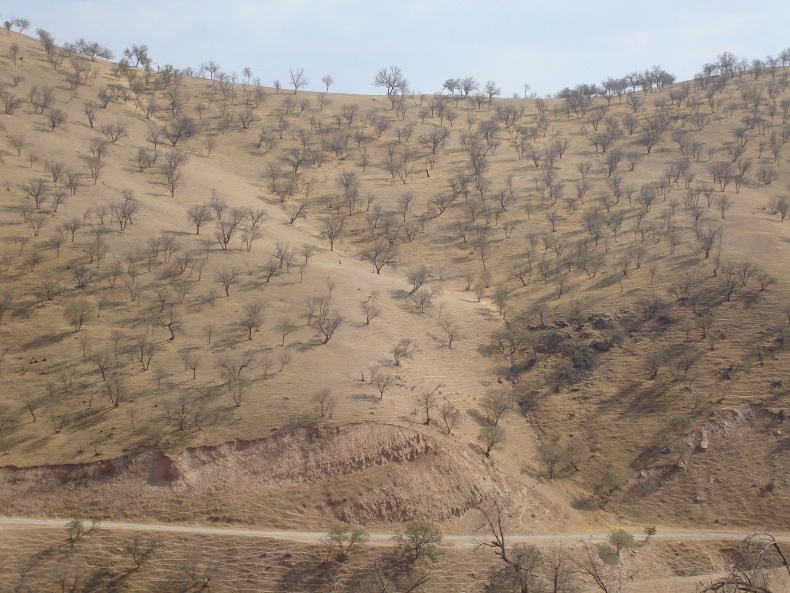
© Mehdi Pourhashemi
Management Strategies for Overcoming the Oak Decline Crisis
Given the complex and multidimensional nature of oak decline, addressing it requires a comprehensive and long-term approach based on three main pillars: prevention, control, and restoration. To this end, the “Action Plan for the Oak Decline Crisis in Zagros Forests” has been developed by the Research Institute of Forests and Rangelands in seven main sections: forest management, livestock, crop, energy, extension and public participation, assessment, monitoring and supervision, and environmental action plans (Pourhashemi et al. 2017b). The key strategies outlined in this program, later reinforced by subsequent research, are as follows:
- Sustainable management and reduction of human pressure: Regulating and adjusting livestock, complete prohibition of understory cultivation, banning issuance of new grazing permits and canceling existing ones, preventing any land-use change in forest areas, and organizing the exploitation of non-timber products are among the most critical measures in this area. These actions aim to reduce human pressure and enhance the ecological capacity of habitats.
-
Water and soil management: Since the reduction of soil moisture is one of the most important factors in the weakening of oak trees, implementing rainwater harvesting practices using methods such as creating small crescent-shaped bunds uphill of trees (Fig. 6), especially in areas with heavier soil textures and under the canopy shade, can effectively reduce moisture stress and rehabilitate declining trees (Heshmati et al. 2017; Hosseinzadeh and Pourhashemi 2017).
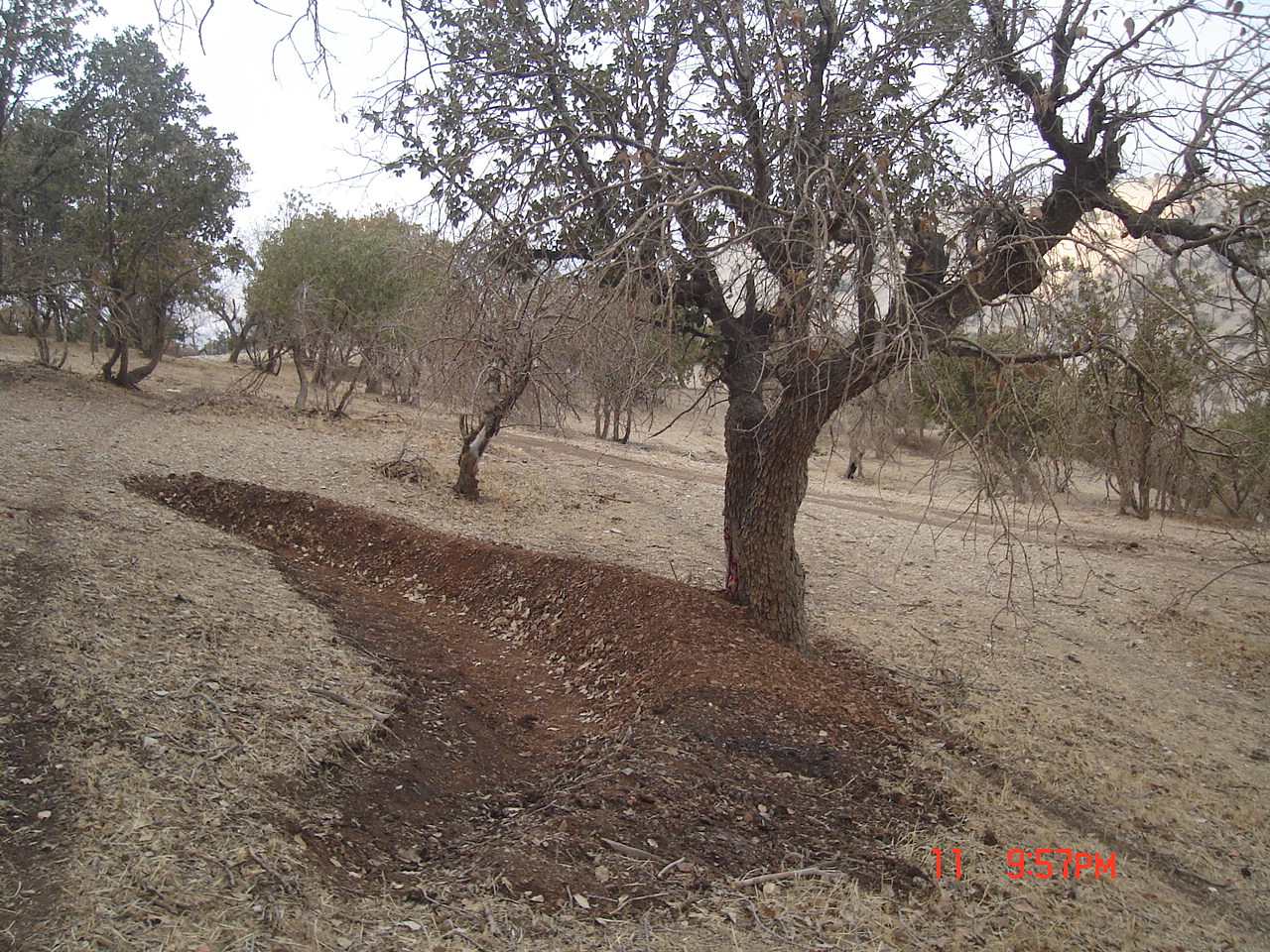
Figure 6. The construction of crescent-shaped bunds uphill of Quercus brantii, Ilam Province
© Mehdi Pourhashemi - Sanitation and silvicultural treatments: Implementing sanitation cuttings and removing dead and infected branches to prevent the spread of pests and diseases to healthy trees are effective strategies. However, severe cuttings and complete removal of declining trees, especially in coppice-origin individuals with sprouting capability (Fig. 7), should be undertaken cautiously and with due consideration of site conditions (Najafifar et al. 2018). Silvicultural operations aimed at improving forest composition and increasing the proportion of seed-origin individuals and species diversity are also necessary.
-
Empowerment of local communities and public participation: Since the livelihood of forest dwellers in the Zagros region is highly dependent on forests, managing the oak decline crisis also hinges on the cooperation and participation of local communities (Seidzadeh et al. 2022). Raising awareness and involving local communities in forest protection and restoration processes is among the most effective approaches. Forming community organizations, establishing micro-credit funds, conducting training workshops, and utilizing public media for cultural promotion are recommended measures in this domain. Strengthening the economic status of local people through the development of handicrafts, beekeeping, ecotourism, and other activities compatible with forest sustainability can help reduce pressure on forests (Karamidehkordi et al. 2017; Zandebasiri et al. 2025).
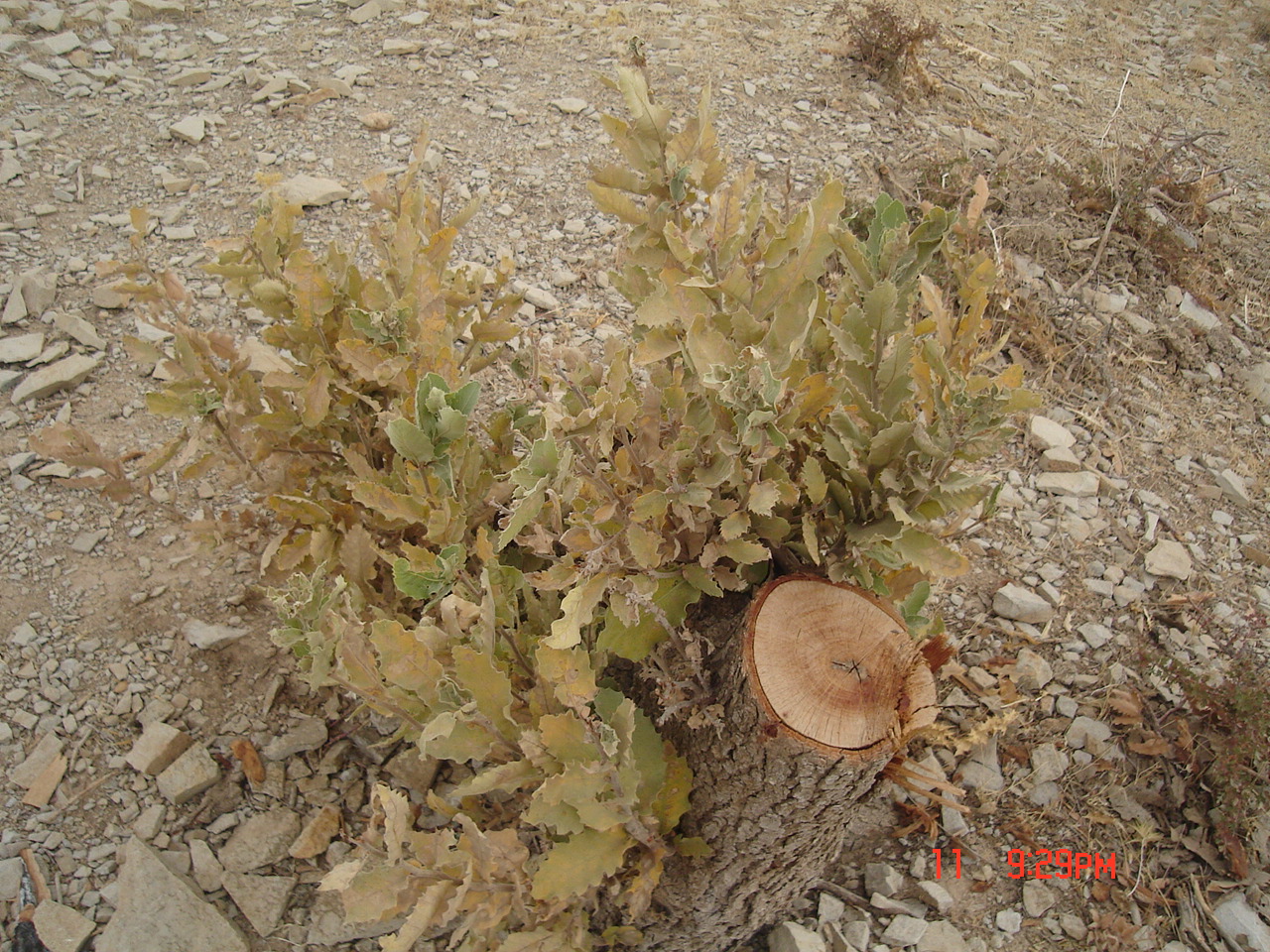
Figure 7. Resprouting of Quercus brantii affected by oak decline after cutting, Fars Province
© Mehdi Pourhashemi - Continuous monitoring and research: Given the ongoing changes in environmental and climatic conditions and the differential responses of various oak species to decline, establishing a monitoring network and information registry related to Zagros Forest decline, along with continuous research to provide region-specific strategies, is essential for managing this crisis (Haidari et al. 2025). Furthermore, the application of modern technologies such as remote sensing and geographic information systems for identifying and zoning new decline hotspots and monitoring their trends can contribute to better decision-making (Azizi et al. 2015; Imanyfar et al. 2019).
References
Anonymous. 2012. Guidelines for sustainable forest management in Zagros Forest ecosystems for the prevention and control of oak decline. Forests, Rangelands and Watershed Management Organization of Iran, Tehran, Iran.
Anonymous. 2014. The plan for prevention, control and combating oak decline in Zagros Forest habitats. Forests, Rangelands and Watershed Management Organization of Iran, Tehran, Iran.
Arefipour, M.R. 2009. Investigation of the causes of oak trees dieback in the forests of Ilam province. Unpublished report, Research Institute of Forests and Rangelands, Tehran, Iran.
Arefipour, M.R., Farsi, M.J., and Azizkhani, E. 2011. Investigation of the causes of oak forests dieback in the provinces of Ilam, Lorestan, Kohgiluyeh and Boyer-Ahmad, and Fars. Unpublished report, Research Institute of Forests and Rangelands, Tehran, Iran.
Attarod, P., Rostami, F., Dolatshahi, A., Sadeghi, S.M.M., Zahedi Amiri, G., and Bayramzadeh, V. 2016. Do changes in meteorological parameters and evapotranspiration affect declining oak forests of Iran? Journal of Forest Science, 62(12): 553-561.
Azizkhani, E., & Arefipour, M.R. 2010. Dieback of oak forests in the provinces of Ilam, Kohgiluyeh and Boyer-Ahmad, and Fars. Unpublished report, Research Institute of Forests and Rangelands, Tehran, Iran.
Azizi, G., Miri, M., Mohammadi, H., and Pourhashemi, M. 2015. Analysis of relationship between forest decline and precipitation changes in Ilam Province. Iranian Journal of Forest and Poplar Research, 23(3), 502-515.
Carluccio, G., Benigno, A., Panzavolta, T., Vergine, M., De Bellis, L., Luvisi, A., and Moricca, S. 2025. Understanding oak decline in Europe: ecological factors, symptoms, causative agents, and management strategies. Plant Disease, 109(7): 1805-1823.
Haidari, M., Jahanbazy Goujani, H., Maleki, S., Jaafari, A., Pourhashemi, M., Henarah, J., Rahimi, H., and Khanhasani, M. 2025. Oak decline in the Zagros Forests: Temporal variation, severity, and environmental and stand structural drivers. Global Ecology and Conservation, 62: e03811.
Heshmati, M., Ghaitury, M., Parvizi, Y., Ahmadi, M., Shaikhvaisi, M., Arabkhedri, M., Hoseini, M., and Shademani, A. 2017. Effect of runoff harvesting trough crescent shaped bounds on oak dieback curtailing and increasing soil organic carbon in the Zagros Forest, Kermanshah, Iran. Journal of Rainwater Catchment Systems, 5(1): 1-10.
Hosseinzadeh, J., and Pourhashemi, M. 2017. Occurrence of dieback in the context of Zagros Forest decline. Iran Nature, 2(4): 18-21.
Imanyfar, S., Hasanlou, M., and Zadeh, V. M. 2019. Mapping oak decline through long-term analysis of time series of satellite images in the forests of Malekshahi, Iran. International Journal of Remote Sensing, 40: 8705-8726.
Jahanbazi Goujani, H., Pourhashemi, M., Henareh, J., Ghasempour, S., Haidari, M., Rashidi, F., Khanhassani, M., Rahimi, H., Mehdifar, D., Karamian, R., Iranmanesh, Y., Askari, Y., Hosseinzadeh, J., Tahmasebi, M., Hosseini, A., Bordbar, S.K., Negahdar Saber, M.R., and Zarafshar, M. 2024. Assessment and monitoring of oak decline in Zagros forests (Phase I). Research report, Research Institute of Forests and Rangelands, Tehran.
Jahanbazi Goujani, H., Iranmanesh, Y., Talebi, M., Shirmardi, H., Mehnatkesh, A., Pourhashemi, M., and Habibi, M. 2018. Measuring heavy elements in leaves of healthy and unhealthy Persian oak (Quercus brantii Lindl.) trees in Helen area of Chaharmahal and Bakhtiari province. Journal of Forest and Wood Products, 71(1): 71-81.
Jamali, S., and Haack, R.A. 2024. From glory to decline: Uncovering causes of oak decline in Iran. Forest Pathology, 54(5): e12898.
Karamidehkordi, E., Mansori Nejad, R., and Rahimian, J. 2017. Participation of rural communities in decision making, monitoring and evaluation of the oak forest trees dieback management in the Kohgiluyeh and Boyer-Ahmad Province. Iranian Journal of Forest and Rangeland Protection Research, 15(2): 156-175.
Mehri, S., Alesheikh, A.A., and Lotfata, A. 2024. Abiotic factors impact on oak forest decline in Lorestan Province, Western Iran. Scientific Reports, 14: 3973.
Mirabolfathy, M. (2013. Outbreak of charcoal disease on Quercus spp. and Zelkova carpinifolia trees in forests of Zagros and Alborz mountains in Iran. Iranian Journal of Plant Pathology, 49(2): 257-263.
Mirabolfathy, M., J.Z. Groenewald and P.W. Crous. 2011. The occurrence of charcoal disease caused by Biscogniauxia mediterranea on chestnut-leaved oak (Quercus castaneifolia) in the Golestan forest of Iran. Plant Disease, 95(7): 876.
Mirabolfathy, M., Ju, Y. M., Hsieh, H.M., and Rogers, J.D. 2013. Obolarina persica sp. nov., associated with dying Quercus in Iran. Mycoscience, 54(5): 315-320.
Mirzaei, J., Naseri, B., Naji, H. R., and Pourhashemi, M. 2018. The effects of Continental mistletoe (Loranthus europaeus) on the nutrient absorption of Brant's oak (Quercus brantii), Montpellier maple (Acer monspessulanum), and mountain almond (Amygdalus elaeagnifolia) in different habitats in Zagros Forest. Journal of Plant Ecosystem Conservation, 6: 1-22.
Najafifar, A., Hosseinzadeh, J., Pourhashemi, M., and Hosseini, A. 2018. The role of sanitary cuttings in survival and vitality of Persian oak trees exposed to decline in Zagros forests (Case study: Meleh Siah forest, Ilam province). Journal of Wood and Forest Science and Technology, 25(3): 49-60.
Pourhashemi, M., Jahanbazi Goujani, H., Hosseinzadeh, J., Bordbar, S. K., Iranmanesh, Y., and Khodakarami, Y. 2017a. The history of oak decline in Zagros forests. Iran Nature, 2(1): 30-37.
Pourhashemi, M., Marvi Mohajer, M.R., Zobeiri, M., Zahedi Amiri, Gh., and Panahi, P. 2004. Identification of forest vegetation units in support of government management objectives in Zagros forests, Iran. Scandinavian Journal of Forest Research, 19(Sup004): 72-77.
Pourhashemi, M., Masoumi, A.A., Marvi Mohajer, M. R., Sagheb Talebi, Kh., Ghasriani, F., Azizkhani, E., Parhizkar, P., Hosseinzadeh, J., Bordbar, S. K., Jahanbazi Goujani, H., Tavakoli, M., Khodakarami, Y., Ebrahimi Rostaghi, M., Pourmoghaddam, K., and Khanjanzadeh, M. 2017b. Control of the Zagros forests decline crisis depends on the implementation of the "Action Plan". Iran Nature, 2(2): 14-19.
Pourhashemi, M., and Sadeghi, S. M. M. 2019. A review of the ecological causes of oak decline phenomenon in Iran's forests. Ecology of Iranian Forests, 8(16): 148-164.
Sagheb Talebi, Kh., Sajedi, T. and Pourhashemi, M. 2014. Forests of Iran: A Treasure from the Past, A Hope for the Future. Springer.
Seidzadeh, H., Rezaei, J., and Pourhashemi, M. 2022. The survey of affecting factors on tendency to participation of local people in the restoration of oak Forests involved with decline in Ilam Province. Ecology of Iranian Forests, 10: 136-145.
Scortichini, M. 2025. Similarities and differences among factors affecting complex declines of Quercus spp., Olea europea, and Actinidia chinensis. Horticulturae, 11, 325.
Zandebasiri, M., Pourhashemi, M., Djagoun, C.A.M.S., Sayedena, S. V., Mosleh Ghahfarokhi, Z., Azadi, H., and Witlox, F. 2025. An investigation on the local community's traditional knowledge of Iranian mountain forests using a qualitative assessment. Trees, Forests and People, 21: 100883.
The International Oak Society acknowledges the generous support of the following institutions:
Supporting Institutional Members




Standard Institutional Members