Editor's Picks

While working on a list of synonyms of European White Oaks...
Roderick Cameron
|
Aug 24, 2026
Report led by The Morton Arboretum will help prioritize oak...
Website Editor
|
Aug 06, 2026
Motivation
I live in the village of Dolné Dubové...
Jozef Čapkovič
|
Jul 20, 2026
Plant Focus
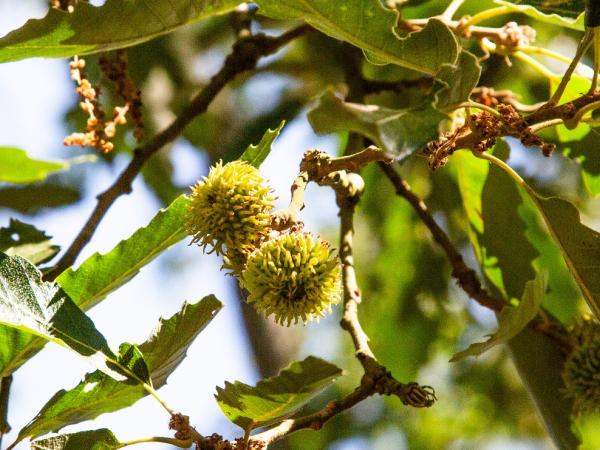
The only oak species endemic to Africa is rare in cultivation. It shouldn't be.
At the time of writing, the more southerly and easterly parts of Britain are entering their fourth consecutive period of drought, and conditions are beginning to resemble the notorious summer of 1976, when mature European beech (Fagus sylvatica) and silver birch (Betula pendula) trees died in their thousands. At present we can’t be sure whether that pattern will be repeated, but we do know that the Royal Botanic Gardens, Kew, lost 400 trees in a lesser drought in 2022, when temperatures in the south of England hit 40°C for the first time in recorded history.
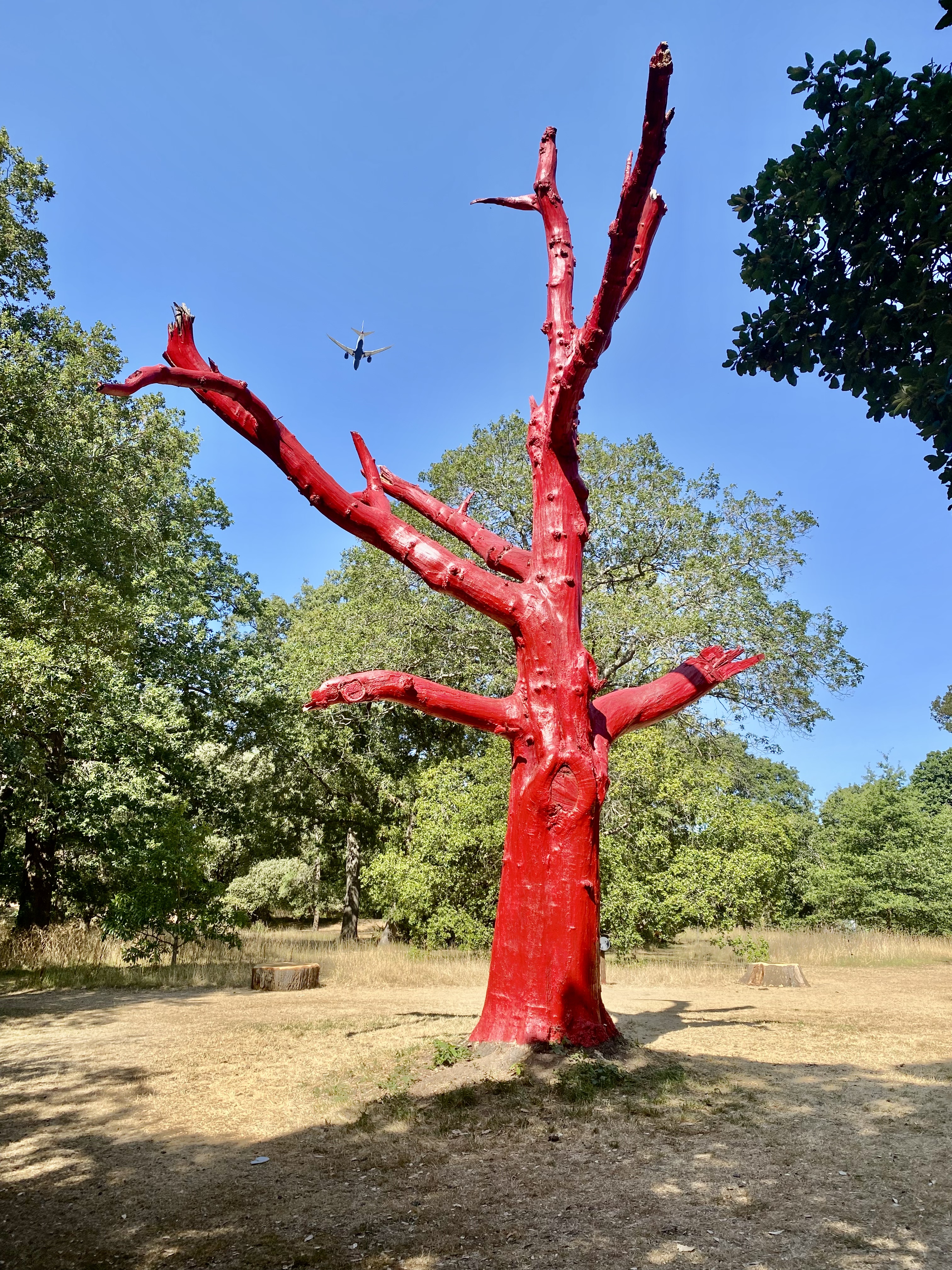
One of those trees was a northern red oak (Quercus rubra). While the other casualties were felled on safety grounds, the skeleton of this one has been made as safe as possible and painted red to raise awareness of climate change and the urgent actions needed to mitigate the long-term effects of increasingly hot, dry summers on plant collections.
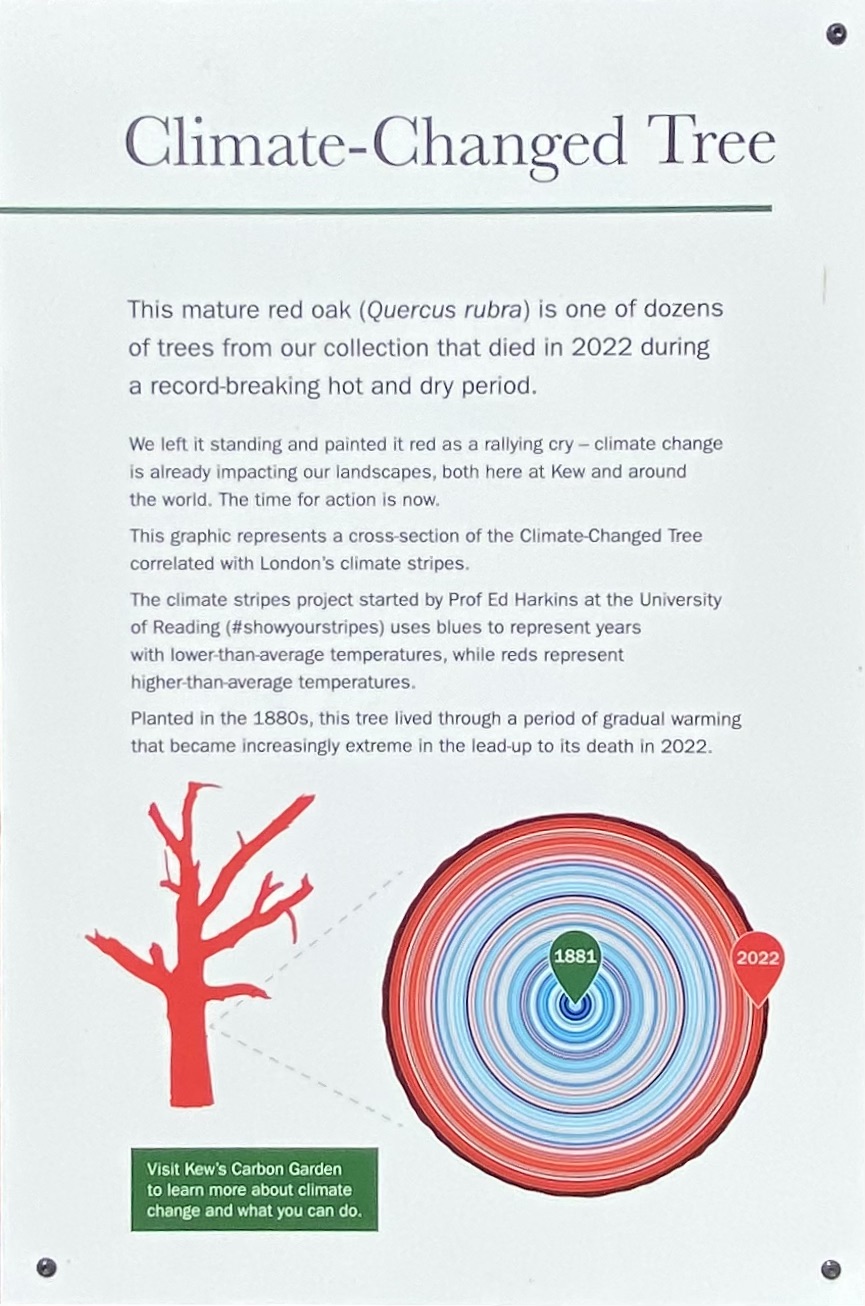
It has been estimated that up to 50 per cent of Kew’s existing 11,000 trees could be vulnerable to climate change by 2090, while 72 per cent of London’s famous urban canopy could be at risk.
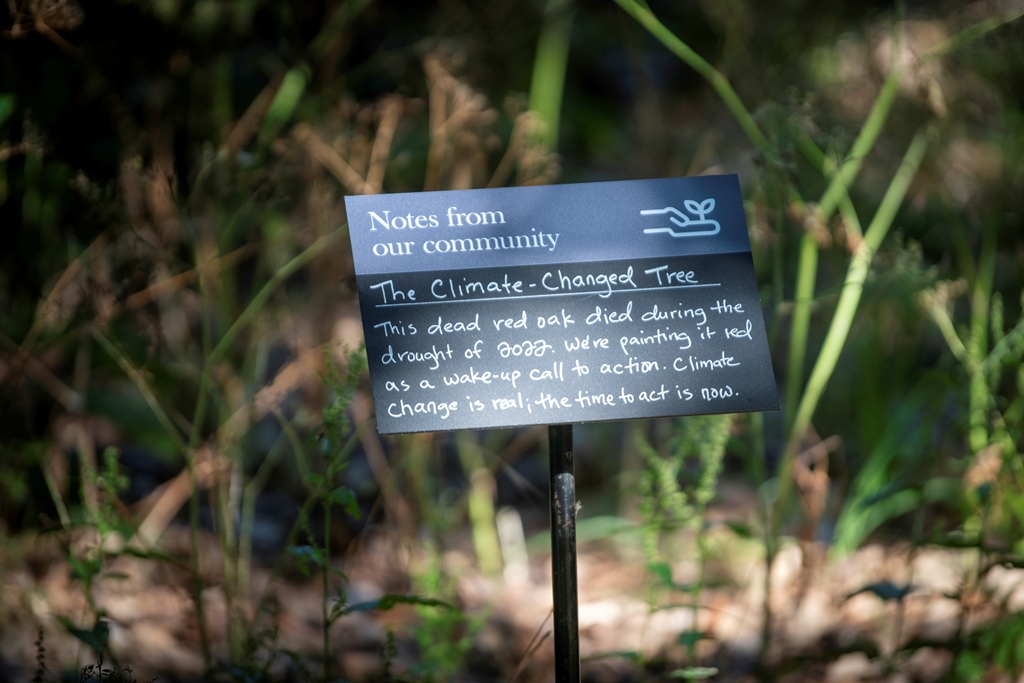
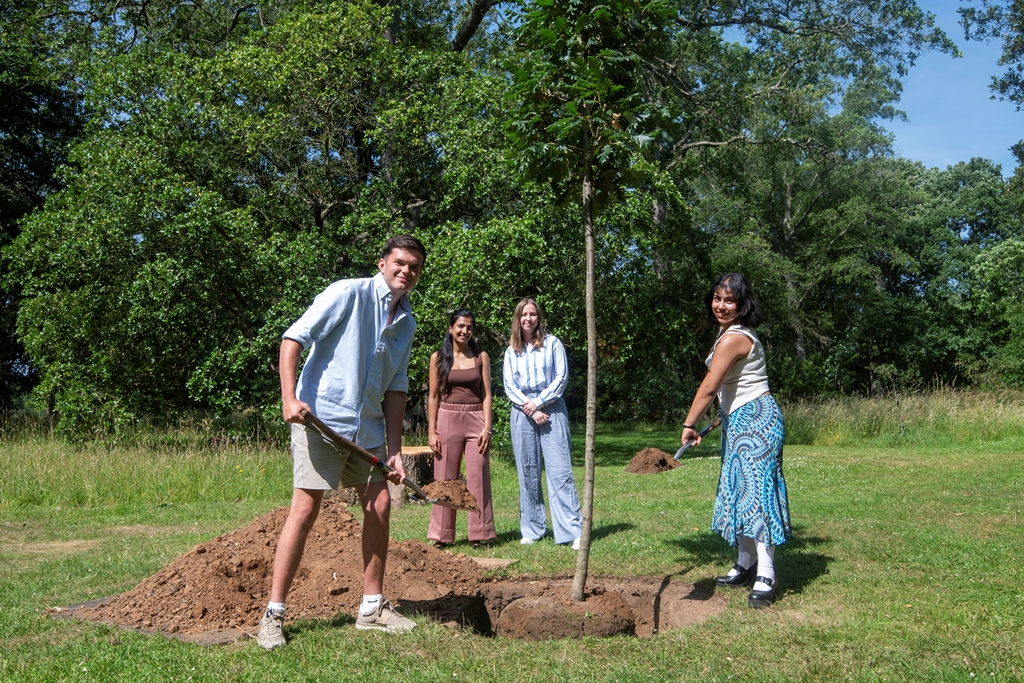
A Hungarian oak, Q. frainetto, has been planted near the casualty in the belief that it will be better able to cope with the climate that it will experience in the future. As a label next to the dead tree states: “Climate change is real; the time to act is now.”
Read more about the Climate-Changed Oak in RBG Kew's press release here.
Content by the Same Author
The International Oak Society acknowledges the generous support of the following institutions:
Supporting Institutional Members



Standard Institutional Members