Editor's Picks

While working on a list of synonyms of European White...
Roderick Cameron
|
Aug 24, 2026
Report led by The Morton Arboretum will help prioritize oak...
Website Editor
|
Aug 06, 2026
Motivation
I live in the village of Dolné Dubové...
Jozef Čapkovič
|
Jul 20, 2026
Plant Focus
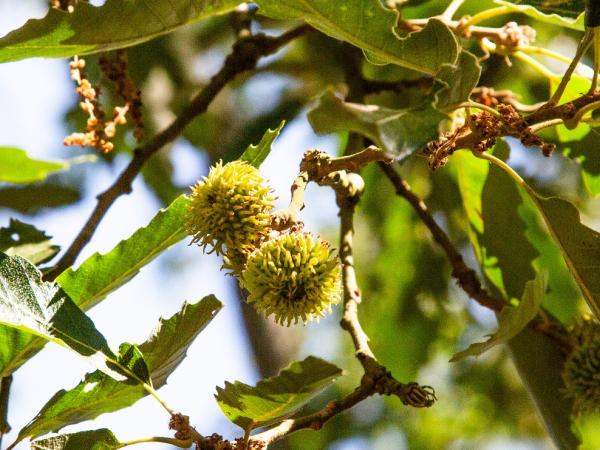
The only oak species endemic to Africa is rare in cultivation. It shouldn't be.
The oak standing on the edge of an agricultural field provides a striking contrast to the industriousness of the farmer. It is a reminder from the past that food can be obtained in another way.
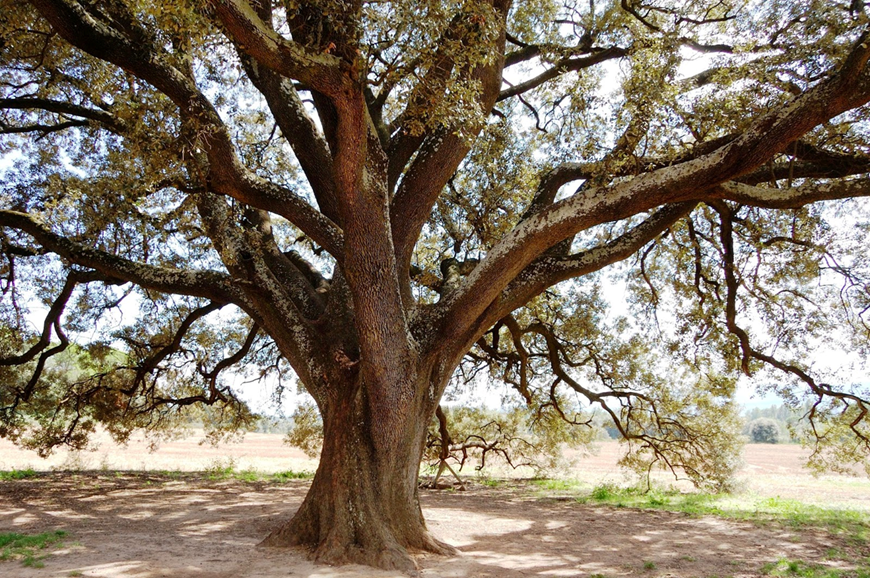
The forest does not need soil preparation, irrigation, fertilizer, or pesticides to thrive and produce food. Diversity, soil microbiology, and natural processes progressively increase complexity, building fertility and resulting in an extremely efficient use of resources (water and nutrients).
Quercània’s goal is to adapt this ancient ingredient—the acorn—to the modern food system by building a bridge between the forest and the food industry: two worlds that are currently very far apart.
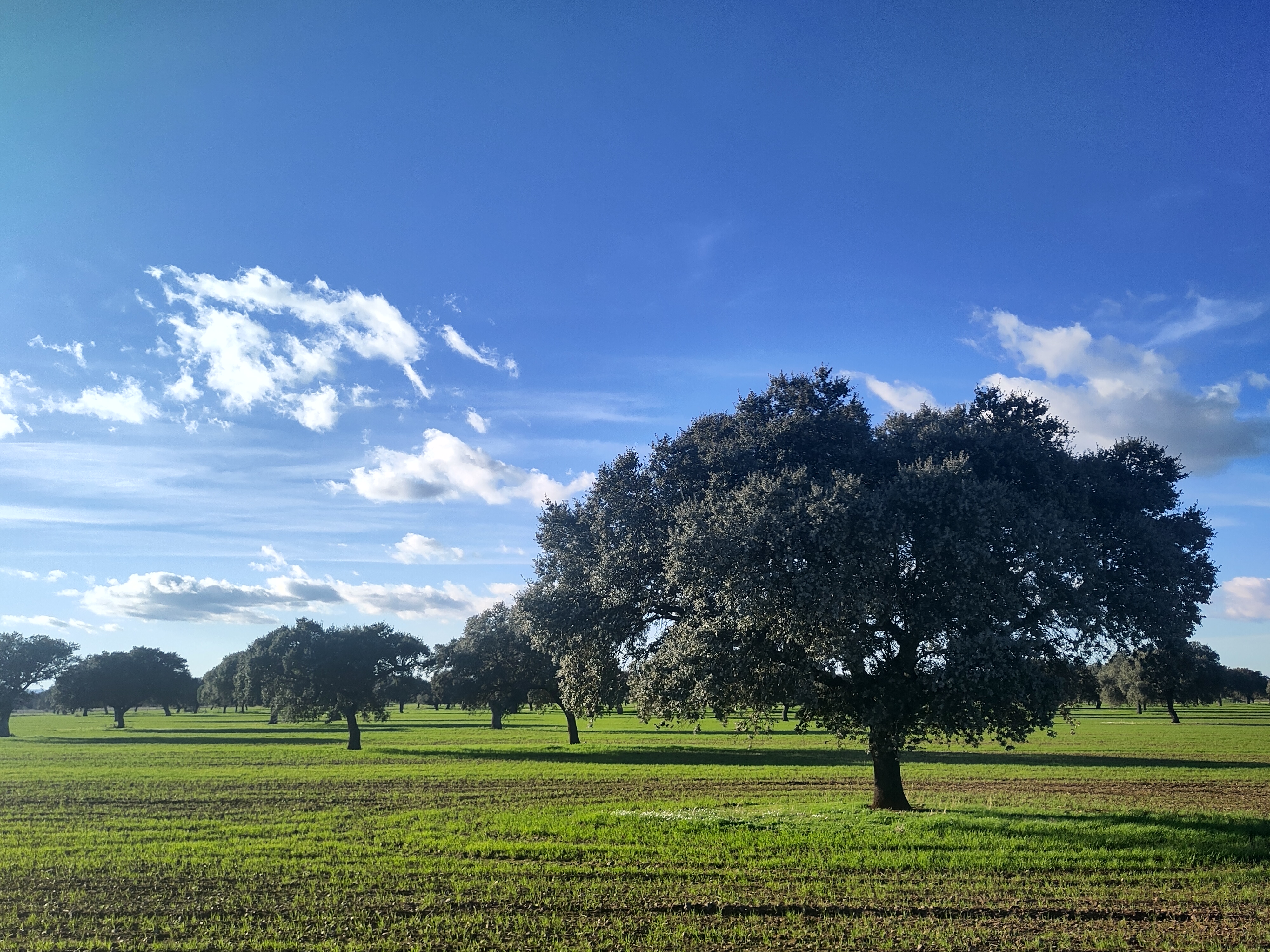
We work mainly with Holm oak forests and dehesas. Due to its long relationship with people, Quercus rotundifolia is probably the oak species closest to domestication. Its acorns are very low in tannins, which simplifies the flour‑making process. It is also one of the most productive oak species.
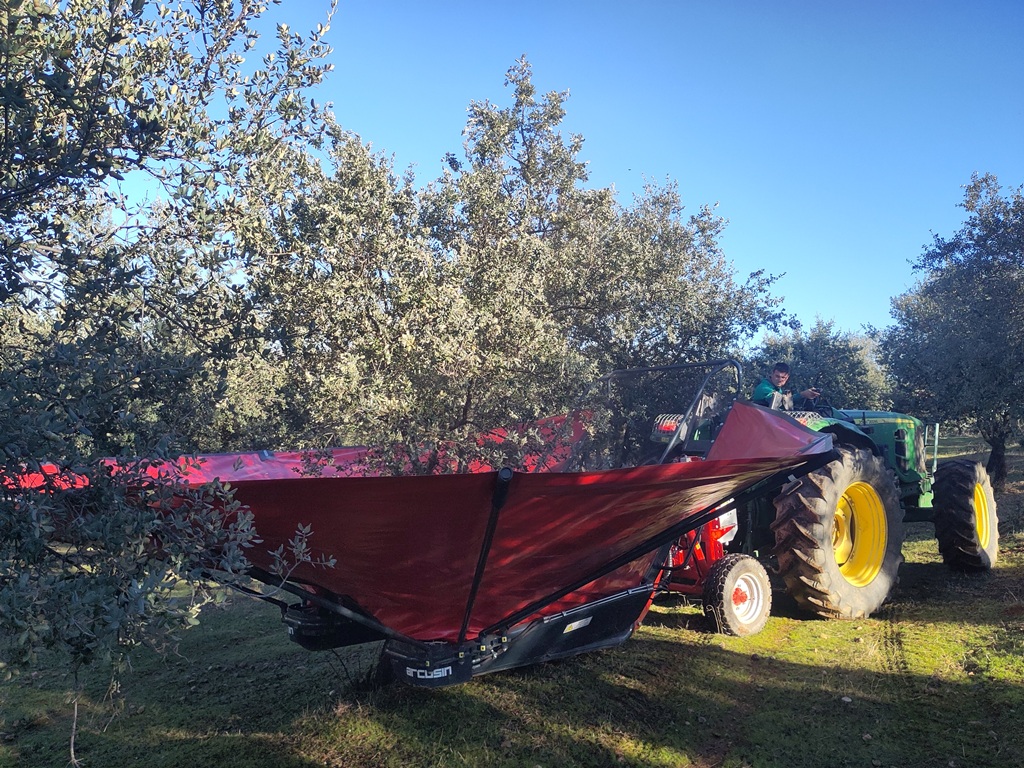
Iberian oak forests are not economically sustainable. Most are unmanaged and tend to become dense stands with continuous canopies, making them highly susceptible to wildfires. Those that are managed rely on government grants or the owner’s own resources. Acorns can provide extra income that, combined with silvopasture and lumber harvesting, can enable a forest‑based economy that truly pays for itself while preserving ecosystem health in the long term.
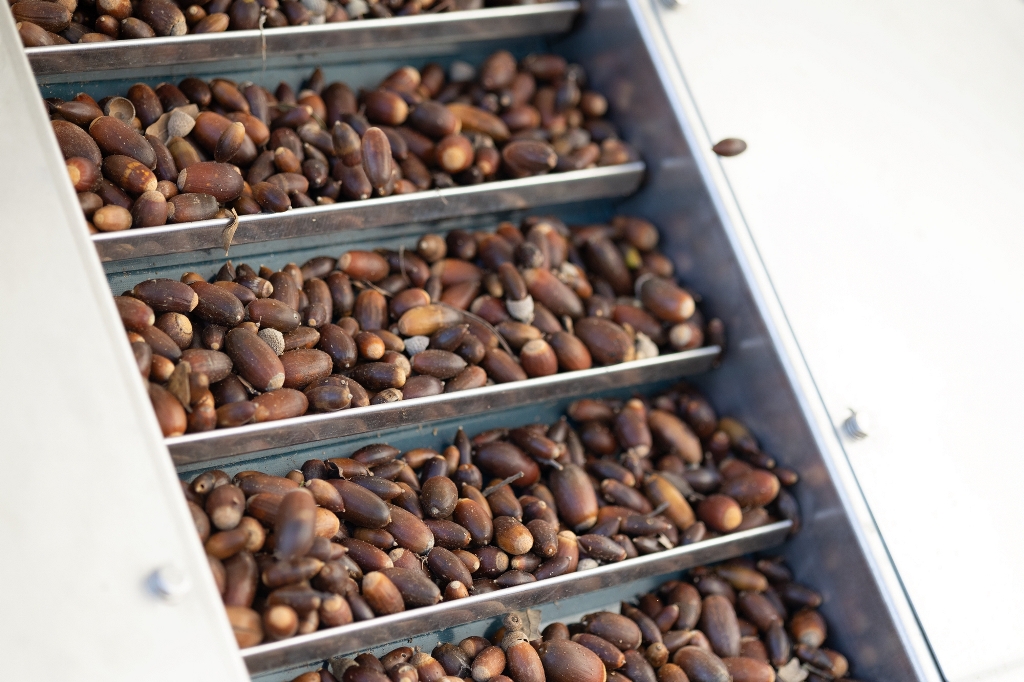
The dehesa—the traditional agroforestry landscape of the Iberian southwest—with its oak savannahs and gentle hills, allows mechanized acorn harvesting, offering an income alternative to ranching.
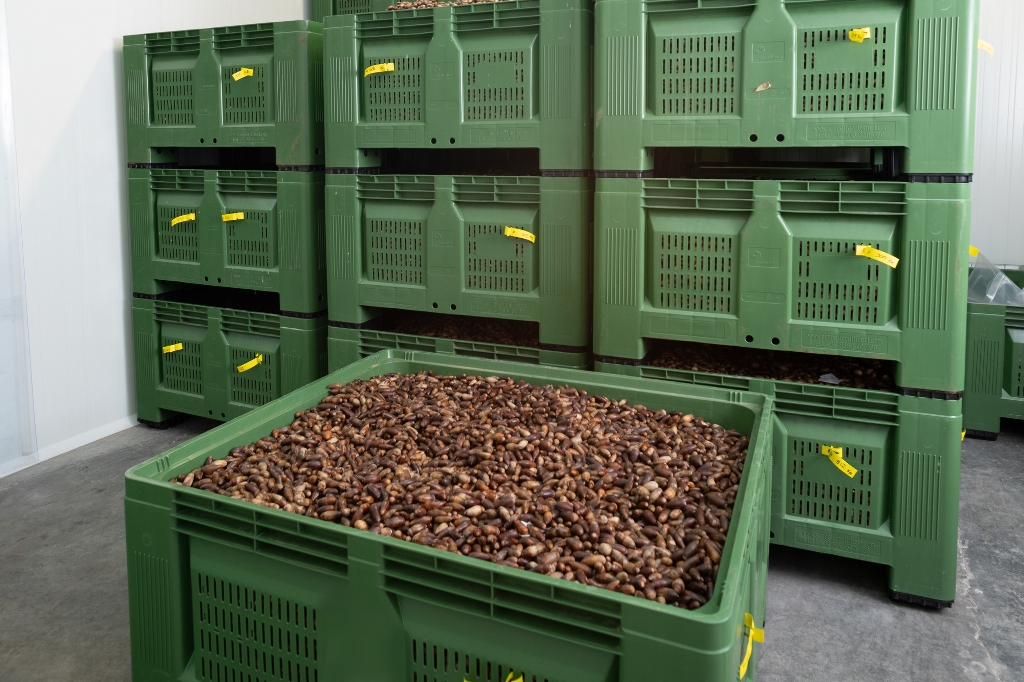
In our workshop in Alcover, Tarragona, we gently dry, shell, and mill the acorns, removing the remaining bitterness without preservatives. The result is a consistent, versatile, safe, and easy‑to‑use product that maintains the nutritional integrity and complex flavor of the original forest ingredient. Bakers, pasta makers, and snack producers can now incorporate acorn flour into their recipes without specialized equipment or lengthy preparation—making it as practical as wheat or almond flour, but with a unique story and a positive environmental impact.
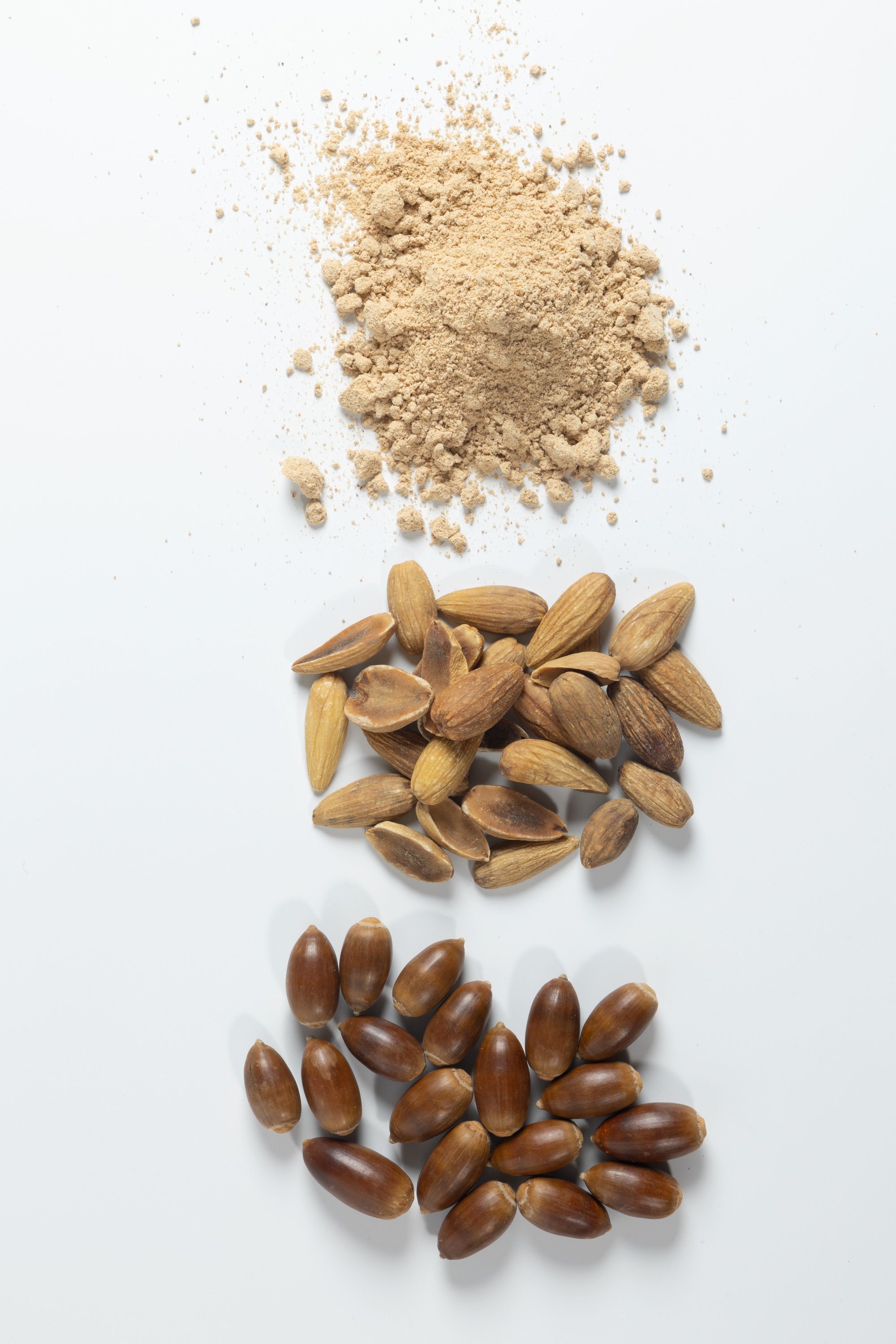
Reflecting the diverse ecosystems they grow in, acorns are nutrient‑dense and have a complex flavor full of nuances. They offer gentle sweetness with roasted, nutty notes—balanced and not overpowering. As an ingredient, they can substitute other nut flours in recipes or replace a percentage of cereal flours, enriching food products both in flavor and nutrition.
Let the neglected oak by the field once again take center stage.
The International Oak Society acknowledges the generous support of the following institutions:
Supporting Institutional Members




Standard Institutional Members