Editor's Picks

While working on a list of synonyms of European White Oaks...
Roderick Cameron
|
Aug 24, 2026
Report led by The Morton Arboretum will help prioritize oak...
Website Editor
|
Aug 06, 2026
Motivation
I live in the village of Dolné Dubové...
Jozef Čapkovič
|
Jul 20, 2026
Plant Focus
The only oak species endemic to Africa is rare in cultivation. It shouldn't be.
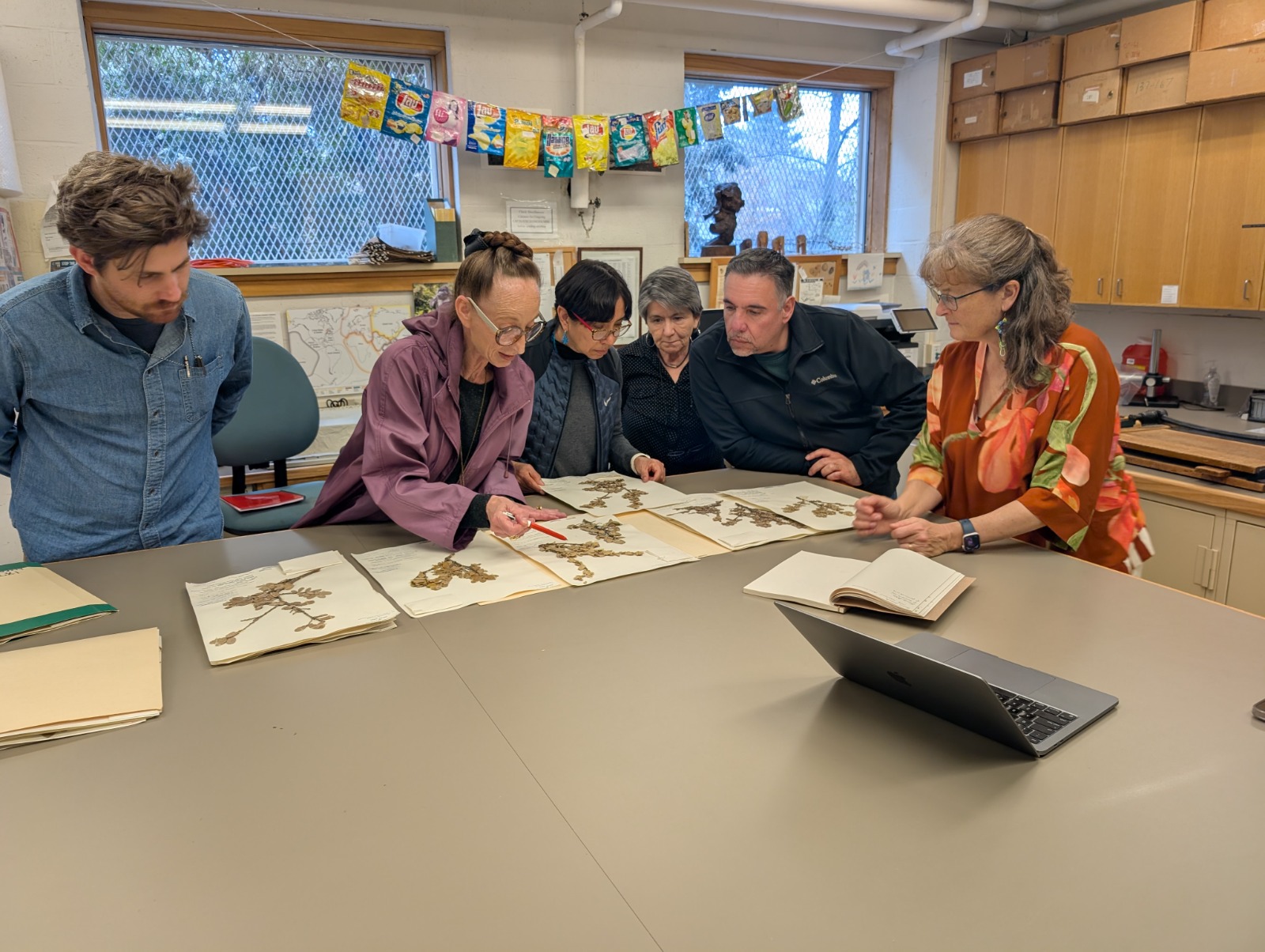
The Harvard University Herbaria hosted a novel Oak Taxonomy Workshop April 13–17, bringing together leading Quercus experts from the U.S., Mexico, Sweden, and France for an intensive, hands-on collaborative work meeting.
Participants focused on examining as many as possible of the 64,000 oak specimens (including 974 type specimens), correcting taxonomic identifications, annotating specimens, identifying key diagnostic characters, and discussing research priorities, while gaining training in herbarium workflows and oak taxonomy. The group is now developing collaborative manuscripts for Harvard Papers in Botany and International Oaks, the Journal of the International Oak Society.
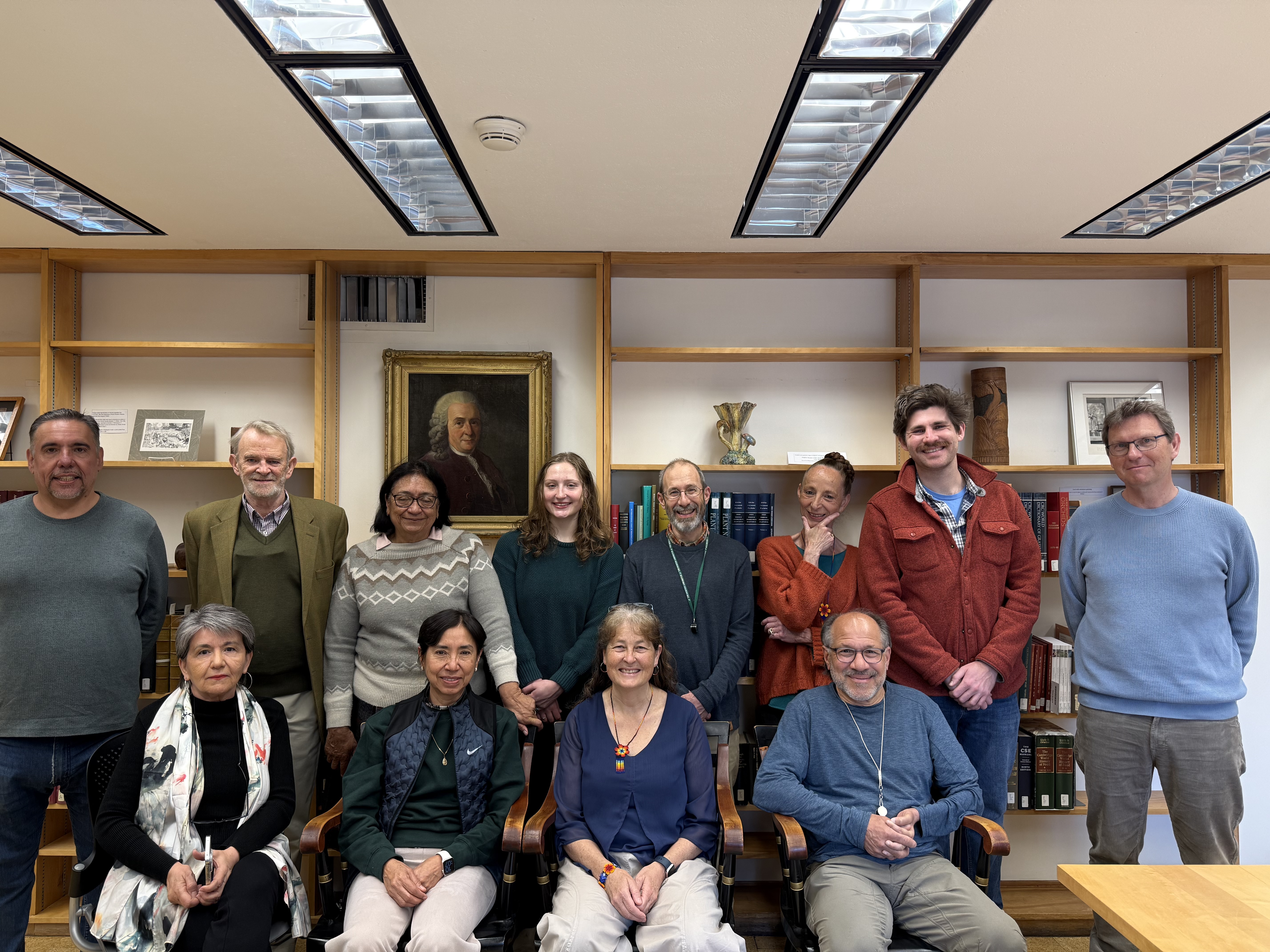
Activities included a half-day research symposium, visits to the Botany Library and paleobotanical collections, and a tour of the Arnold Arboretum. This workshop represents the first coordinated effort to convene at a herbarium to comprehensively treat a taxonomic group, laying the groundwork for an ongoing international research community and for new insights into oak diversity.
Oaks are the most important Northern Hemisphere woody-plant lineage in terms of biomass, ecosystem services, and biodiversity. Their global diversity is still not clear, in part because of synonym confusion and dark data, like those held within the Harvard University Herbarium. The oak specimens remain largely undigitized and their taxonomy has not been updated since the early 1990s, before the molecular phylogenetics revolution and the establishment of a global oak phylogeny. Bringing together world taxonomic experts to provide species determinations within this important collection, likely one of the oldest collections anywhere, serves to establish a firm baseline for understanding global oak diversity.
The links and friendships that were established in the process will, without a doubt, serve to maintain and nurture interest in oaks from many different points of view: from knowing them paleobotanically, phylogenetically, morphologically, to growing them and gaining insights into their adaptive capacities.
The International Oak Society acknowledges the generous support of the following institutions:
Supporting Institutional Members



Standard Institutional Members