Editor's Picks

While working on a list of synonyms of European White...
Roderick Cameron
|
Aug 24, 2026
Report led by The Morton Arboretum will help prioritize oak...
Website Editor
|
Aug 06, 2026
Motivation
I live in the village of Dolné Dubové...
Jozef Čapkovič
|
Jul 20, 2026
Plant Focus
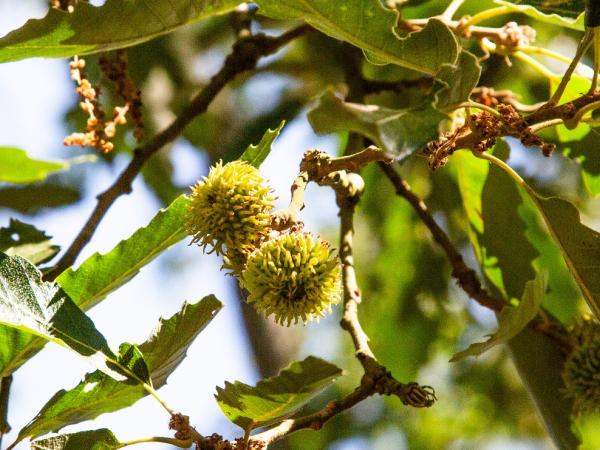
The only oak species endemic to Africa is rare in cultivation. It shouldn't be.
On April 1st, the very day he turned 103, a great friend and an even better person, Michel Duhart, the oak enthusiast, passed away.
The way we met was rather curious. It must have been around 2003. I was seeing Dr. Etxeberri, an osteopath who practiced in Bayonne, France, but who came to San Sebastián once a week. During one of my appointments, while talking about my hobbies, I mentioned that I managed the Iturraran Botanical Garden and that my greatest passion was oak trees.
After a few visits, he told me he had a client in Bayonne whose brother was obsessed with oaks and had a large collection at his home in Ustaritz. We got in touch shortly afterwards and arranged to meet. At that time, he was 23 years older than I was, but we connected immediately.
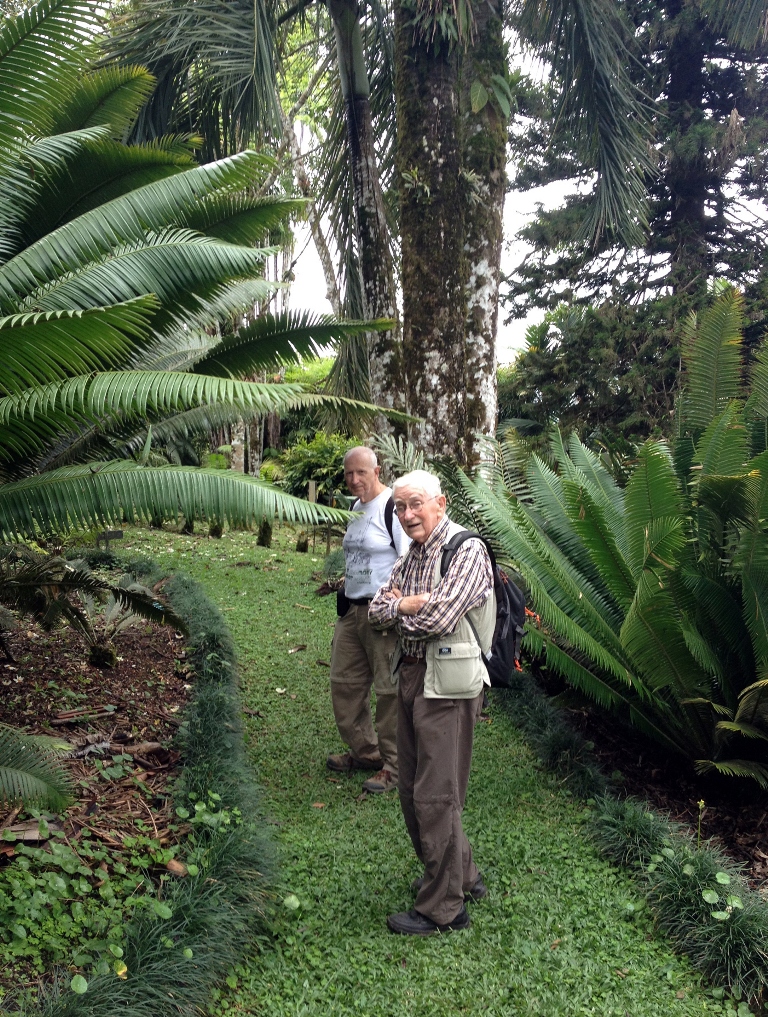
He was at least twenty years ahead of me in collecting Quercus. For professional reasons, he had been assigned to Mexico as a representative of a large French bank and lived there for several years. His wife, Begoña, considered it a dangerous place and did not accompany him. They met periodically in the United States, and Michel used those trips to collect acorns from the country’s oak species.
When we met, he already had a collection that included most of the oaks native to the United States. Through his friendships—with people such as Allen Coombes, Jacky Pousse, Thierry Lamant, Béatrice Chassé, Christian Monet, and the late Jean Merret, as well as contacts in Mexico, Asia, and Europe—he had expanded it even further.
That same year, I had traveled through southern Mexico, from Chiapas to Quintana Roo and Yucatán, and I told him how impressed I was by the country’s exuberant nature. I suggested that, if he wished, we could return together to collect acorns.
From that moment on, we took four trips together: three to Mexico in 2004, 2008, and 2011 and one to Costa Rica in 2016. On the last trip, he was 93 years old.
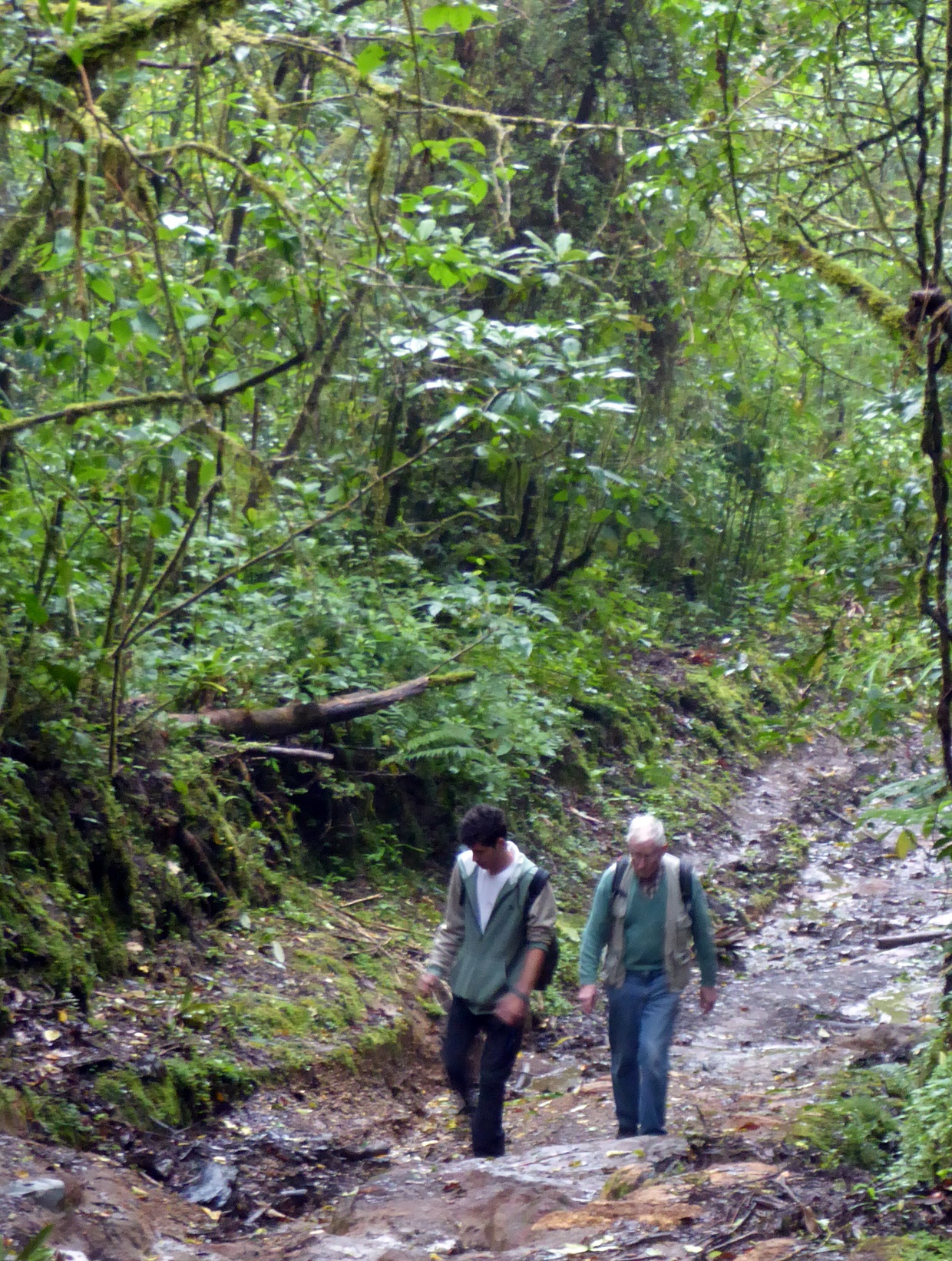
In 2009, he also traveled through western Mexico with Christian Monet. We had the opportunity to meet in Guadalajara, Jalisco—where I had traveled with other friends—and to hike together in La Primavera Forest.
In 2004, we explored the states of México, Guerrero, Oaxaca, Chiapas, Veracruz, and Puebla.
In 2008, we visited Chihuahua, Sonora, Coahuila, and Nuevo León.
In 2011, we traveled through Hidalgo, Michoacán, the State of México, Veracruz, and Puebla.
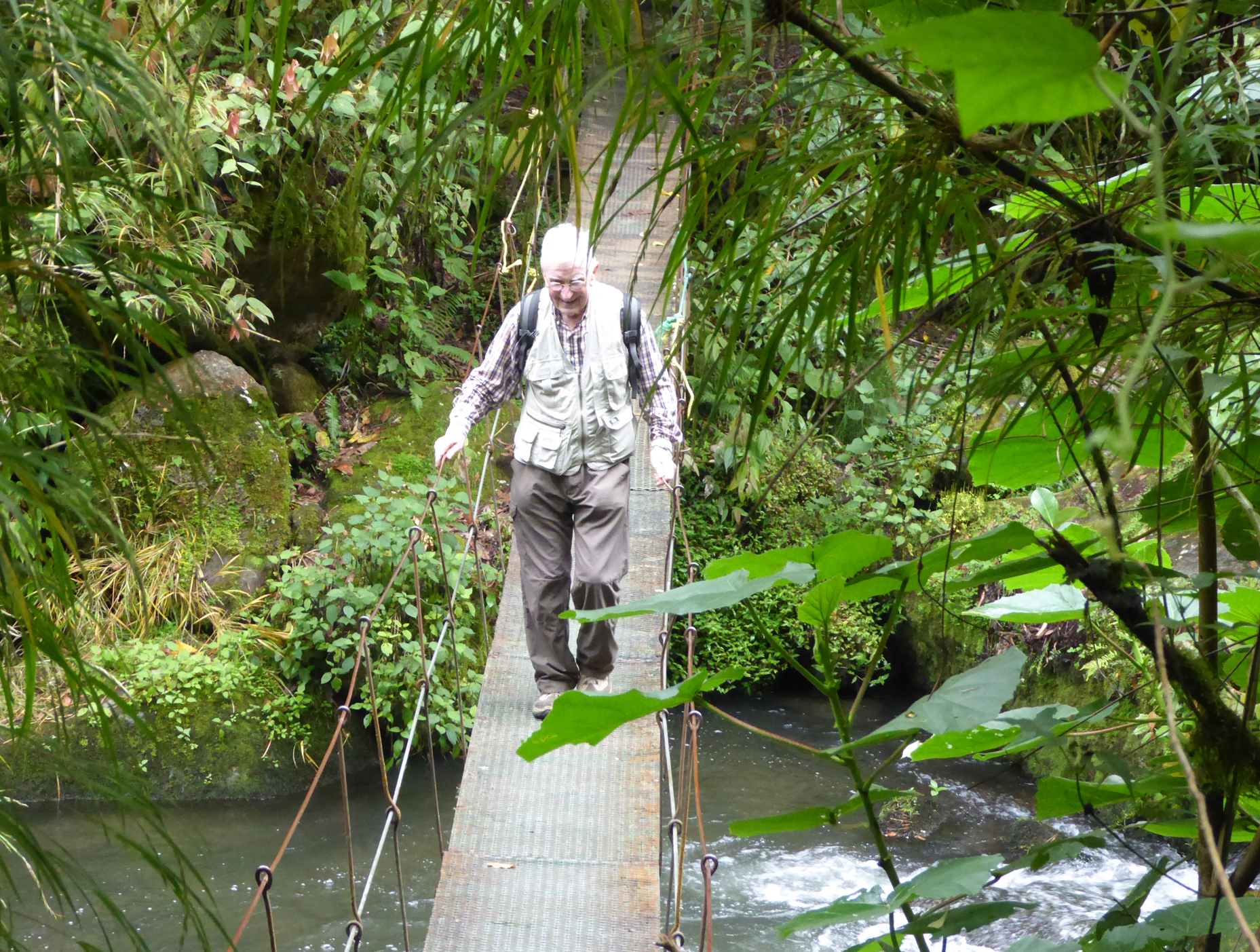
In 2016, accompanied by his grandson Michel, we explored Poás Volcano, Braulio Carrillo National Park, Liberia, the Talamanca Mountain Range, and the Pacific coast. Those unforgettable trips were filled with wonderful moments and a few anecdotes—some more dangerous than others. Seeing two elderly men crouched in the ditches along the highways of Chiapas drew attention, and sometimes passing cars would stop to ask what we were doing; they probably thought we were crazy.
Despite the country’s reputation for being dangerous, and despite traveling through uninhabited areas, we never felt threatened.
There was one exception that could have ended badly, but fortunately the worst that happened was paying a bribe. It occurred just outside Acapulco.
There is a national park there, El Bailadero. We wanted to look for an oak, Quercus salicifolia, but we couldn’t find any signs leading to the park. All we could see was a mountain covered with shacks all the way to the top. I stopped at an intersection to check whether we were on the right road, and a bus behind us honked. Without thinking, I turned right, and a Federal Police car appeared and pulled us over next to a small shop. They told us we could have caused an accident, that we hadn’t signaled the turn, and that they had to give me a ticket. I explained that we wanted to go up to the national park to look for an oak species found there. The shop owner, who was listening, told us not to go—that we would get ourselves killed, that it was a very dangerous place. At that moment, the four police officers told us there was no problem, that they would accompany us. Two got into our car, and the other two followed in theirs. It seemed very suspicious to me, and since the road was full of potholes, I said that my car couldn’t make it up, that it was too low. So we turned around, and with a bribe, they let us go.
But good or bad, all of these moments are memories of our dear friend, Michel Duhart. And what remains is reality: his legacy lives on in the collections of the Chocha Arboretum, which will be preserved and expanded by his grandson, Michel de Broglie.
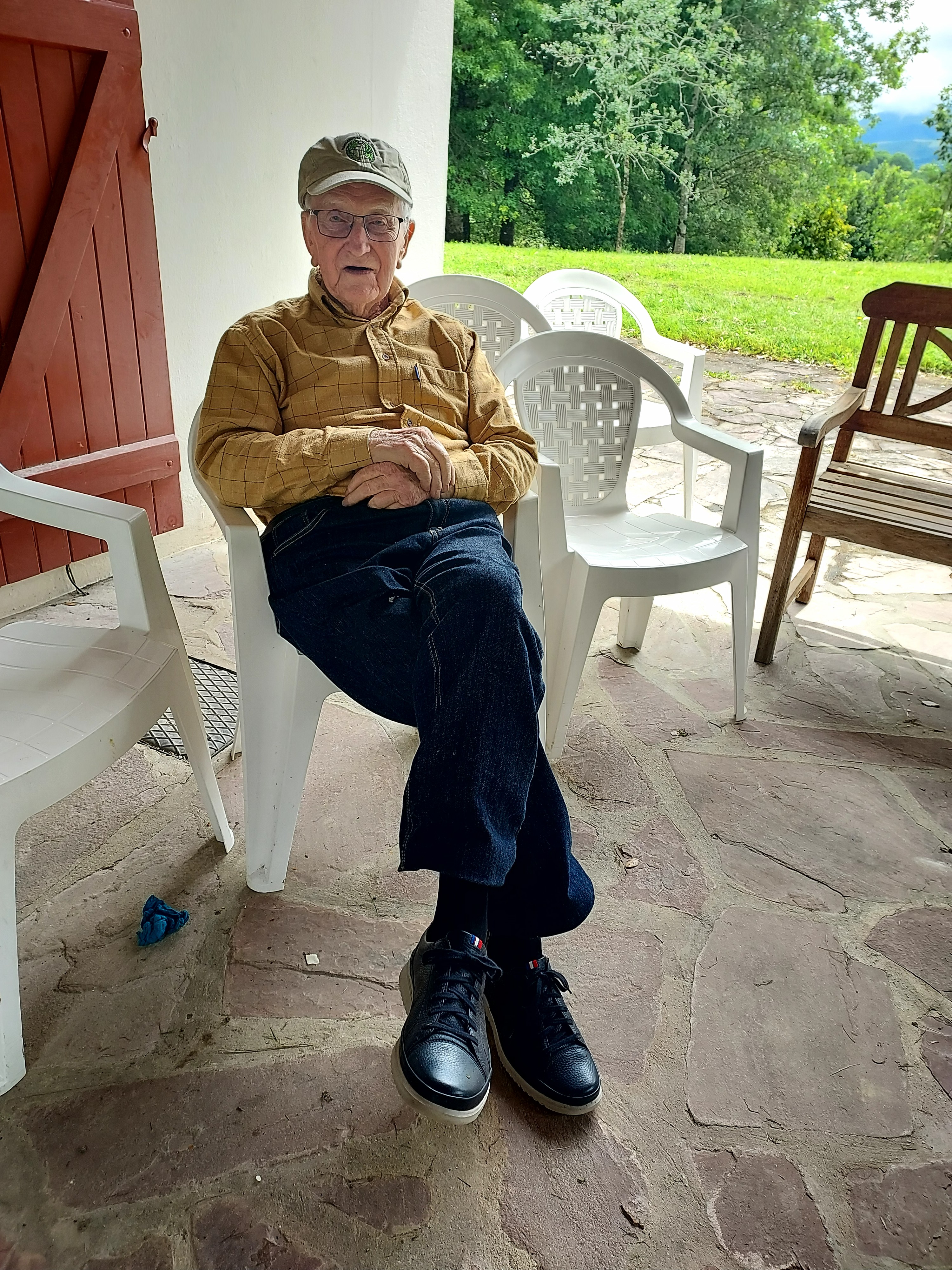
Read more about Michel's oak collection in his article in International Oaks No. 33.
The International Oak Society acknowledges the generous support of the following institutions:
Supporting Institutional Members




Standard Institutional Members