Editor's Picks

While working on a list of synonyms of European White Oaks...
Roderick Cameron
|
Aug 24, 2026
Report led by The Morton Arboretum will help prioritize oak...
Website Editor
|
Aug 06, 2026
Motivation
I live in the village of Dolné Dubové...
Jozef Čapkovič
|
Jul 20, 2026
Plant Focus
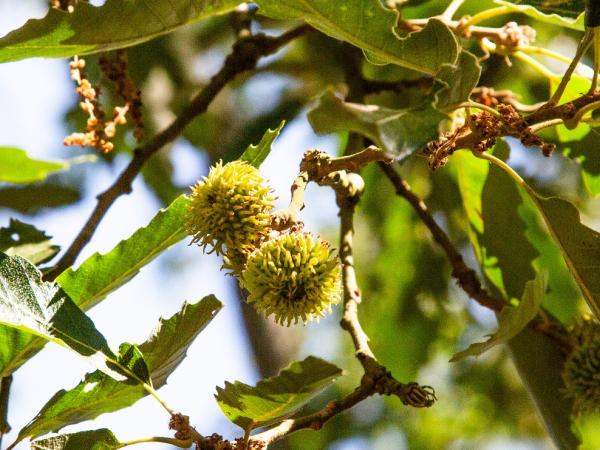
The only oak species endemic to Africa is rare in cultivation. It shouldn't be.
Forest trees are largely undomesticated compared to agricultural crops, with deliberate tree breeding to improve their performance really only getting underway in the last century. Nevertheless, in many landscapes there has long been both deliberate selection of individuals or provenances with particular desired characteristics, and indirect selection arising from how the stands have been managed, e.g., as coppice, as open wood-pasture, or as closed high forest. We might therefore expect this to be reflected in the genetic differences among populations of the same tree species but which have different origins or treatments.
This idea can be explored with modern genomic analysis, which looks at the variations at the single nucleotide level. Think of the DNA as a long, long passage of letters (in fact, 740 × 106 letters!), and a single nucleotide is one single letter. Leaves were collected from 210 oak trees in Wytham Woods, near Oxford, from five stands of different origins, ranging from likely self-sown trees c. 200 years old, through to oaks in plantations established in the mid-20th century. Genetic material from these trees was compared to a new reference genome for oak assembled under the Darwin Tree of Life project, and the results were used to analyze the overall population genetic structure, genetic diversity among different stand types and any signals that might imply selection had been taking place for particular genes.
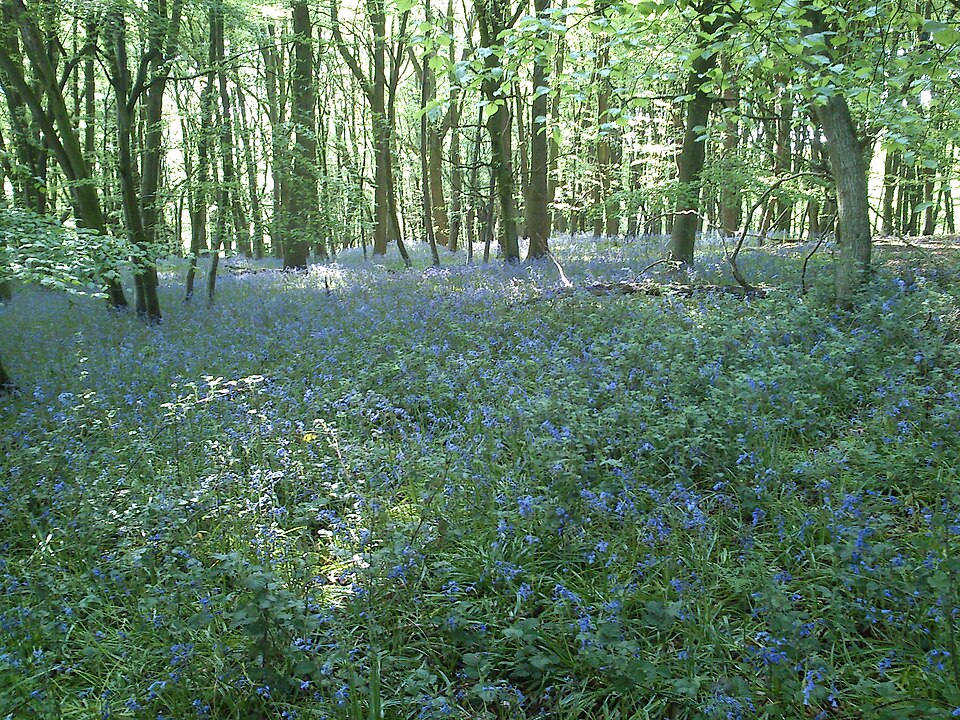
The results showed a surprising uniformity: there was very little genetic variation between the different woodland management types. In fact, 98.66% of the variation was found tree-to-tree within the stands. Some evidence of inbreeding was detected at the most recent plantation, but only at low levels. The levels of genetic diversity found in the Wytham oaks were less than those reported in some previous oak studies elsewhere, but the methods used are not strictly compatible, so we cannot say whether Wytham is unusual in this respect or not. The genetic harmony might come down to two main factors: historically, estate managers may have gathered acorns locally for use in 19th- and 20th-century plantings; secondly, the relentless, local mixing of oak pollen by the wind means that all the trees in a landscape are exposed to a similar pollen composition.
While the overall population structure is thoroughly mixed, the study unlocked an evolutionary secret. We found 161 genes that have signals of “balancing selection”. In typical evolution, natural selection might select for a single “winning” gene version that helps a species survive. Balancing selection does the exact opposite: it actively works to preserve a diverse variety of gene versions within the population. The study found that these genes are heavily tied to pathogen response and immune defense. Because oak populations persist for centuries, they will face new outbreaks of pests and diseases. By keeping a wide portfolio of defense traits active across the woodland, it ensures that not all trees will die from the same threat at a time, thus maintaining the population’s long-term survival.
The above is a summary of a paper published last year in Plants, People, Planet. Follow the link below to access it.
Hung, T. H., E. Formaggia, L. Morley, K. Kirby, R. Salguero-Gómez, B.C. Sheldon, and J.J. MacKay. 2025. Genetic diversity and population structure of pedunculate oaks (Quercus robur) in Wytham Woods. Plants, People, Planet 7(6): 1789–1802. https://doi.org/https://doi.org/10.1002/ppp3.70042
The International Oak Society acknowledges the generous support of the following institutions:
Supporting Institutional Members




Standard Institutional Members