Editor's Picks

The Harvard University Herbaria hosted a novel Oak Taxonomy...
Jeannine Cavender-Bares
|
Apr 21, 2026
Visits to three collections of Quercus in Buenos Aires...
Morgan Santini
|
Apr 05, 2026
On April 1st, the very day he turned 103, a great friend...
Francisco Garin Garcia
|
Apr 05, 2026
Plant Focus
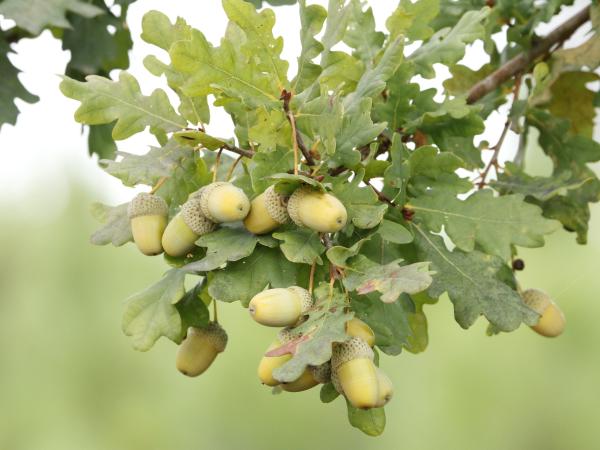
Roderick Cameron and Carlos Vila-Viçosa give an account of this intriguing species from northwestern Iberia with a complex taxonomic and...
Identification of Quercus ungeri and Q. saei Habitats and Determination of Their Conservation Status in Zagros Forests of Iran
Project Contact: Parisa Panahi, Scientific member, Research Institute of Forests and Rangelands of Iran, Tehran, Iran.
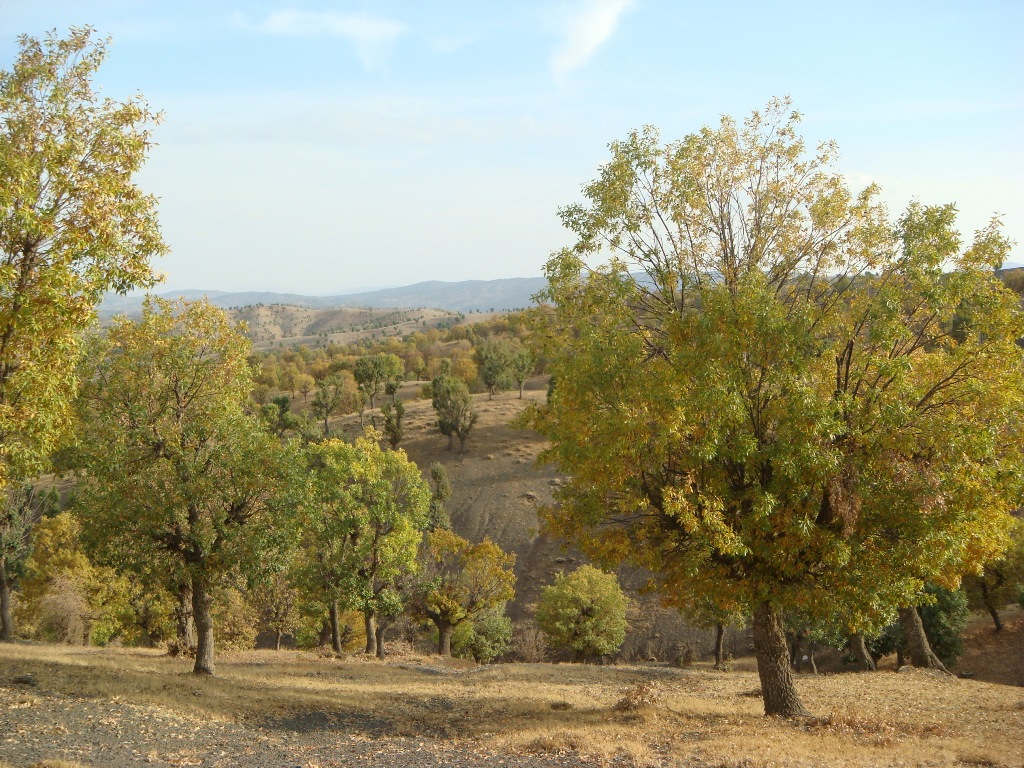
Executive Summary: The Quercus genus (Fagaceae) has a great diversity in the forests of Iran, especially the Zagros forests, some of which are endemic. Zagros forests of Iran are known to be one of the world's biodiversity hotspots. Unfortunately, due to the increasing destruction of Zagros forests, both the quality and area of these forests are greatly decreasing and many of these species are being destroyed. The most important factors in the destruction of these forests are the traditional utilization of oak trees (pollarding for livestock feed, cutting trees for construction wood and charcoal), overgrazing, and rainfed agriculture underneath trees. Prolonged droughts and pressures on this ecosystem have caused the attack of pests and diseases and the occurrence of the phenomenon of oak decline in southern Zagros. In such a situation, it is very important to determine the conservation status of Zagros endemic oaks. In this project, we will try to determine the conservation status of two endemic oak species: Q. ungeri and Q. saei, which are distributed in northern and southern Zagros, respectively. The only available information about the conservation status of Iran's endemic oaks dates back to 2011. Therefore, it is necessary to re-evaluate and monitor the populations after 13 years. The implementation phases of this project include the identification of the distribution areas of the two study species, their population size, and recording the ecological characteristics of the habitats and the silvicultural characteristics of the individuals. Then, the extent of occurrence (EOO) and area of occupancy (AOO) for each species are calculated using the GeoCat software, and its map is drawn. Finally, based on IUCN Red List Categories and Criteria Version 3.1, the conservation status of study species will be determined. This project is the first step for the conservation of these species and provides the necessary information for the authorities and local communities so that it is possible to plan for their in-situ and ex-situ conservation.
Target Species:
Quercus saei (NE)
Quercus ungeri (DD)
The International Oak Society acknowledges the generous support of the following institutions:
Supporting Institutional Members



Standard Institutional Members