Editor's Picks
While working on a list of synonyms of European White Oaks...
Roderick Cameron
|
Aug 24, 2026
Report led by The Morton Arboretum will help prioritize oak...
Website Editor
|
Aug 06, 2026
Motivation
I live in the village of Dolné Dubové...
Jozef Čapkovič
|
Jul 20, 2026
Plant Focus
The only oak species endemic to Africa is rare in cultivation. It shouldn't be.
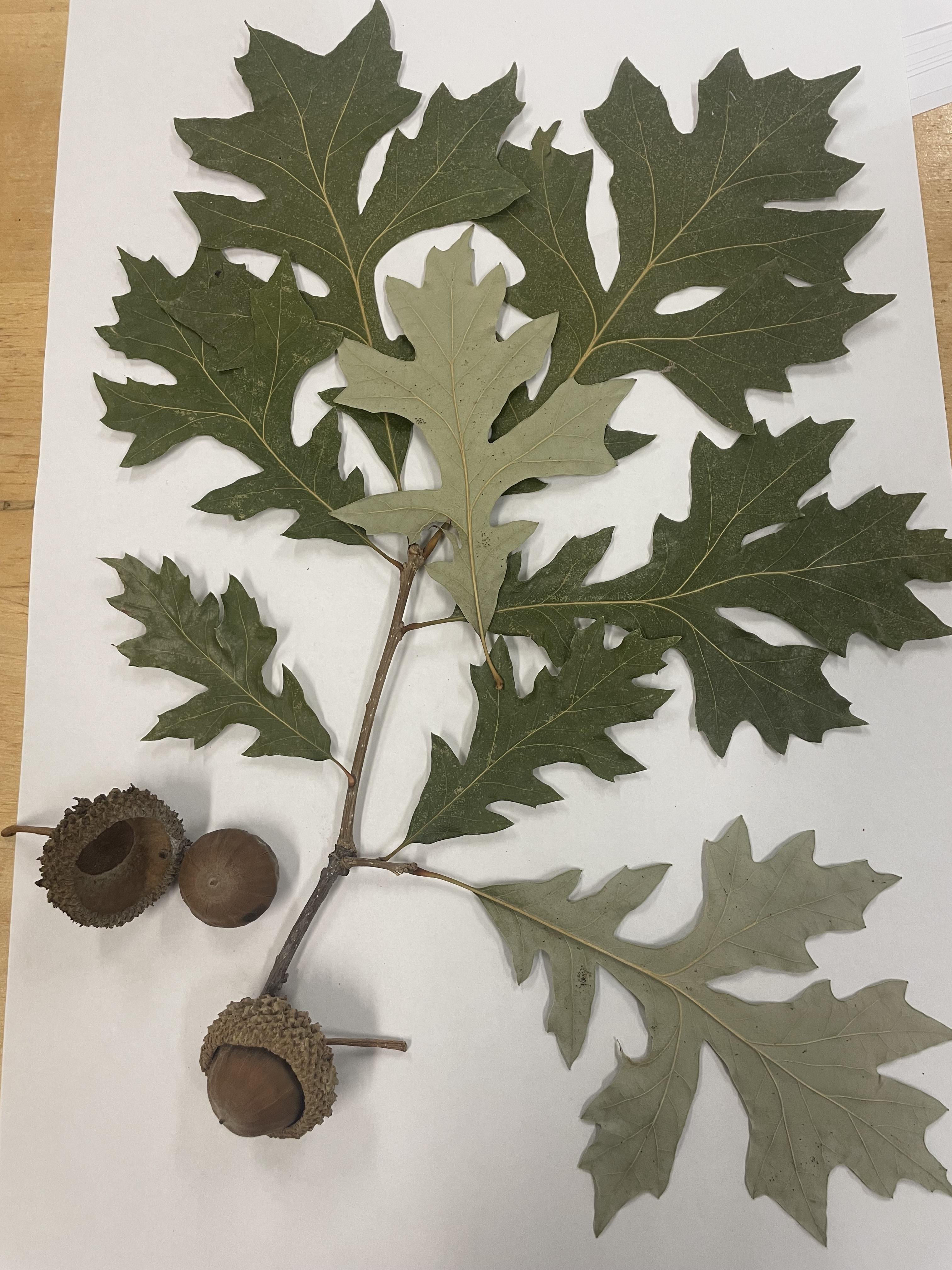
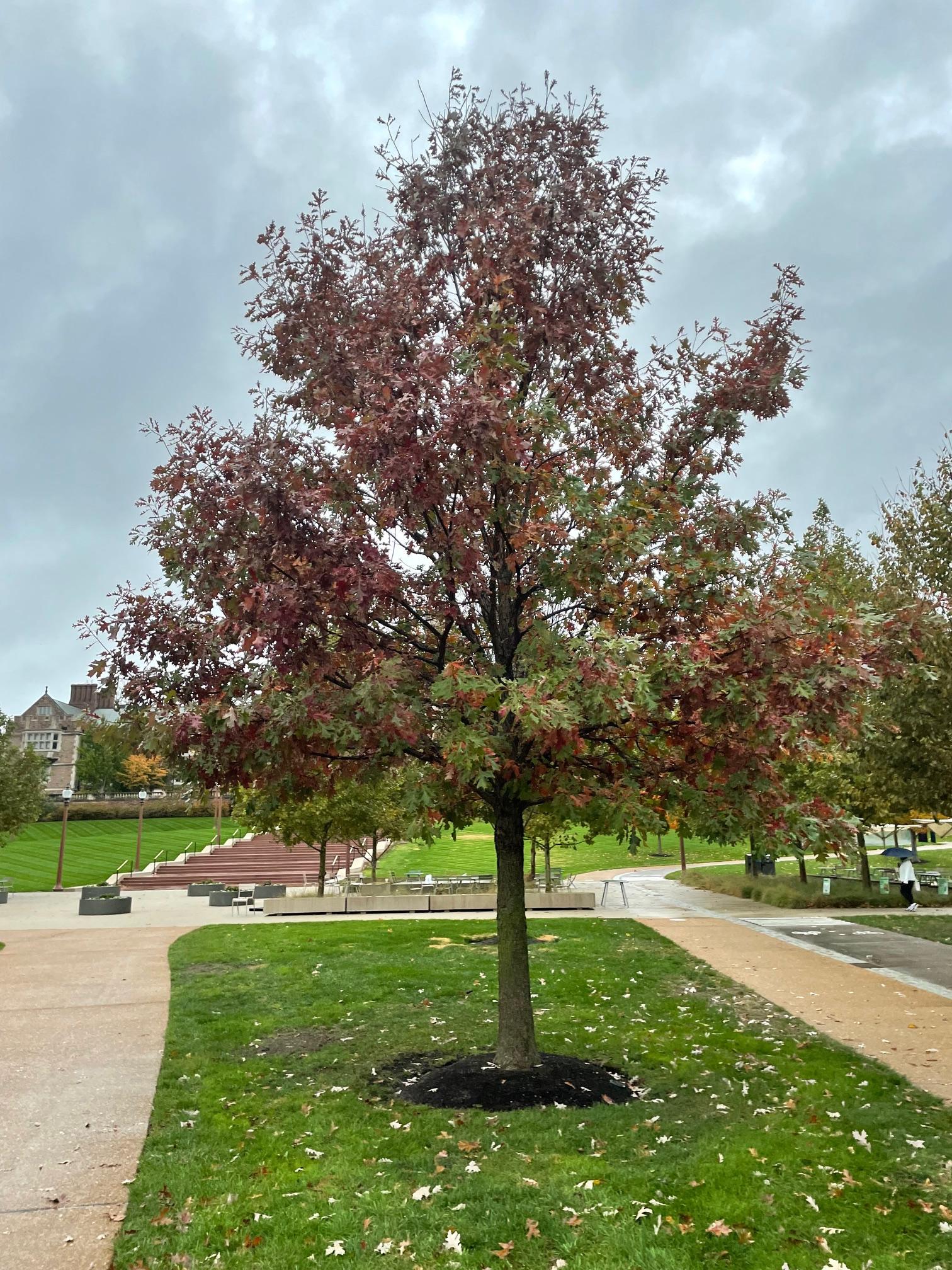
A closer look at the newly described cultivar Quercus ×tottenii ‘Sweet Braude’, selected from the WashU Arboretum in St. Louis, Missouri, USA. The ortet occurs on the eastern portion of the Danforth Campus, an area substantially redeveloped between 2017 and 2019. As part of this project, five new buildings were constructed, former surface parking areas were relocated below grade, and new open green space—now known as Tisch Park—was established above. As part of the redevelopment a mature allée of 43 Q. palustris had to be removed; however, their legacy continues on campus in woodwork of the new buildings and The One Tree Project. At the completion of the redevelopment in 2019, 360 new trees were installed, including 20 Q. lyrata.
In 2022, while attending the 10th International Oak Conference in Las Cruces, New Mexico, I received a message from Dr. Stan Braude indicating that he had a tree to show me upon my return to St. Louis. Dr. Braude, Professor of Practice in Biology and Academic Curator of the WashU Arboretum, was instrumental in advancing the campus arboretum, promoting student research, and expanding public outreach. He was also internationally recognized for his research on Heterocephalus glaber (naked mole-rats) and was an enthusiastic forager, particularly interested in the use of acorns for flour.
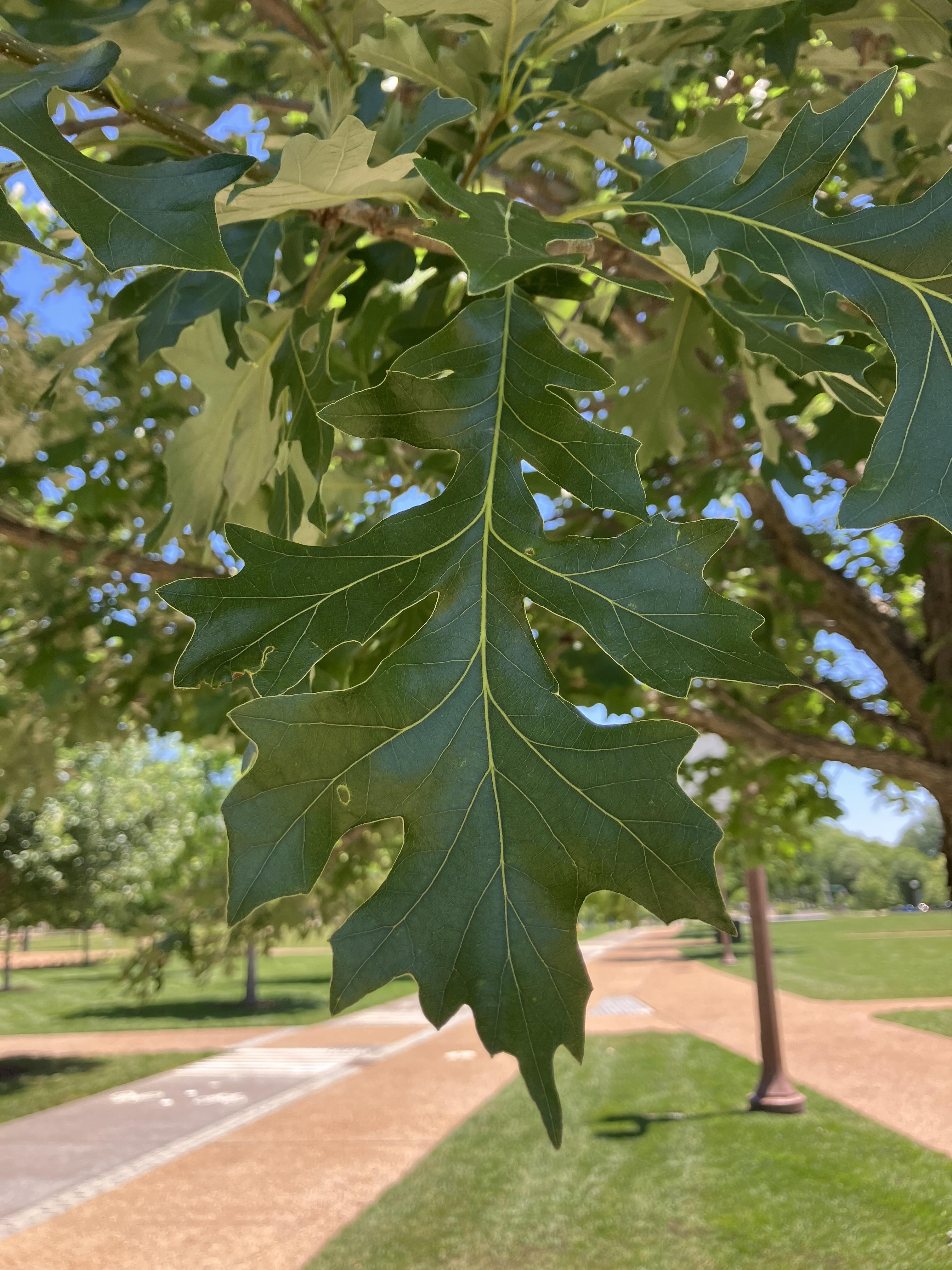
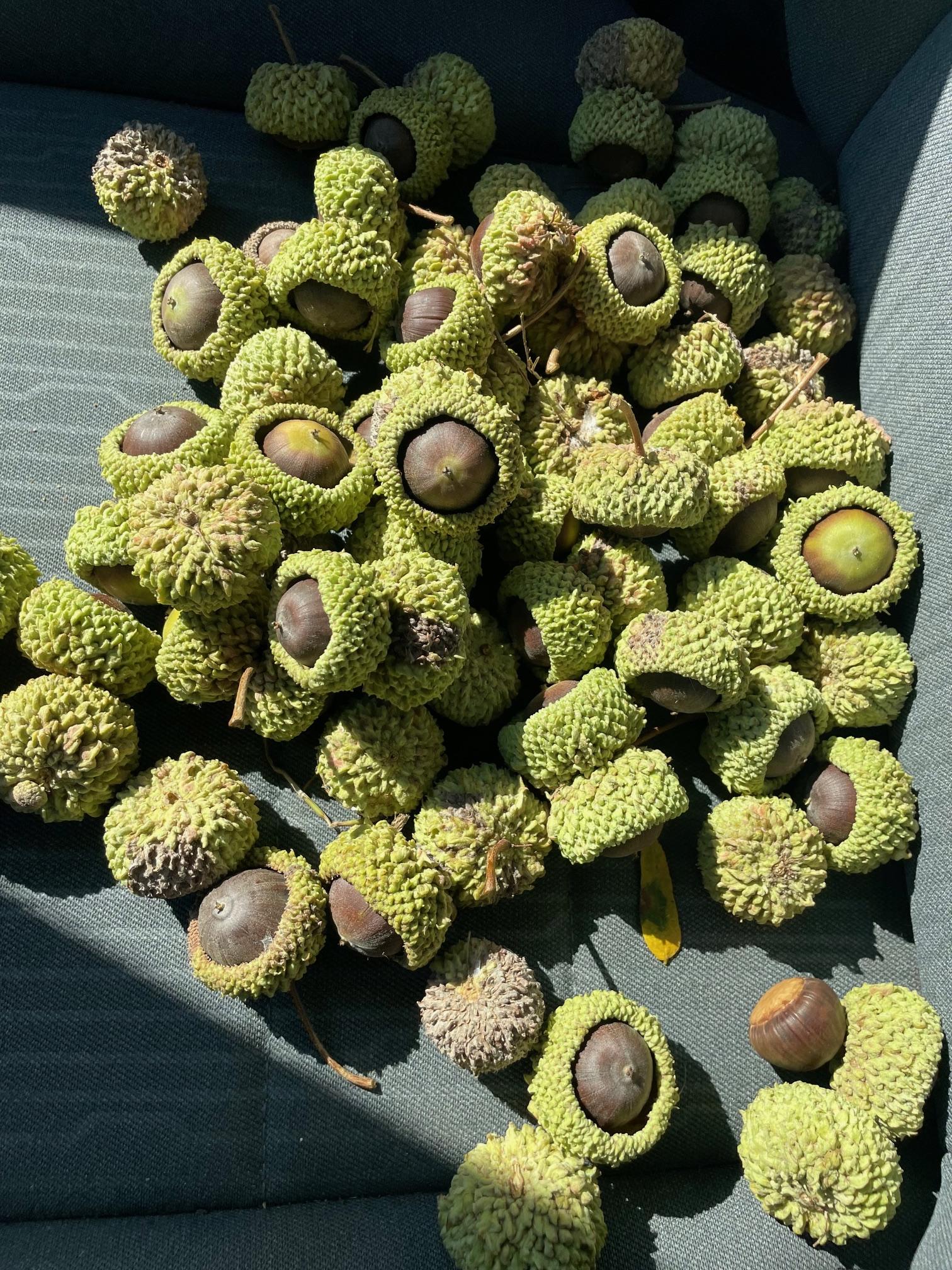
The subject of his message was about one of the Q. lyrata trees on the east end of campus. Dr. Braude met me at the tree, collected an acorn, split it, ate one half, and offered the other. While hesitant at first to taste, I had to join in with his excitement. The acorn had notably lower bitterness than other acorns I had tried without soaking. Looking up at the tree, I could see it showed signs of hybridization, inconsistent with typical Q. lyrata. My first thought about potential pollen parents included Q. bicolor, Q. macrocarpa, and Q. michauxii. After consulting with IOS President Ryan Russell, we decided that the likeliest candidate was Q. michauxii, based on acorn morphology and fall color. In addition, some leaves on the tree lean towards that species. That would make the hybrid Q. ×tottenii, first described by Lionel Melvin in 1856 from an oak he discovered in the Piedmont of North Carolina. Melvin named the hybrid in honor of Dr. Henry Roland Totten, who first suggested the parentage for the specimen Melvin had found.
For Dr. Braude, however, he didn’t care if it was a hybrid; the acorns produced palatable flour with substantially reduced processing time. He went on to highlight the tree during arboretum tours and make baked goods with the acorn flour.
In June 2024, Dr. Braude unexpectedly became ill during a research trip and died shortly thereafter. His death had a profound effect on the WashU community, prompting students, colleagues, and friends to consider ways to honor his contributions to the Arboretum. Among his long-term goals were increasing recognition that campus is a working arboretum, collecting all tree species native to Missouri, and expanding research opportunities within the living collection. In keeping with these goals, the WashU Arboretum team pursued ArbNet Level III accreditation in fall 2024 and BGCI accreditation in 2025.
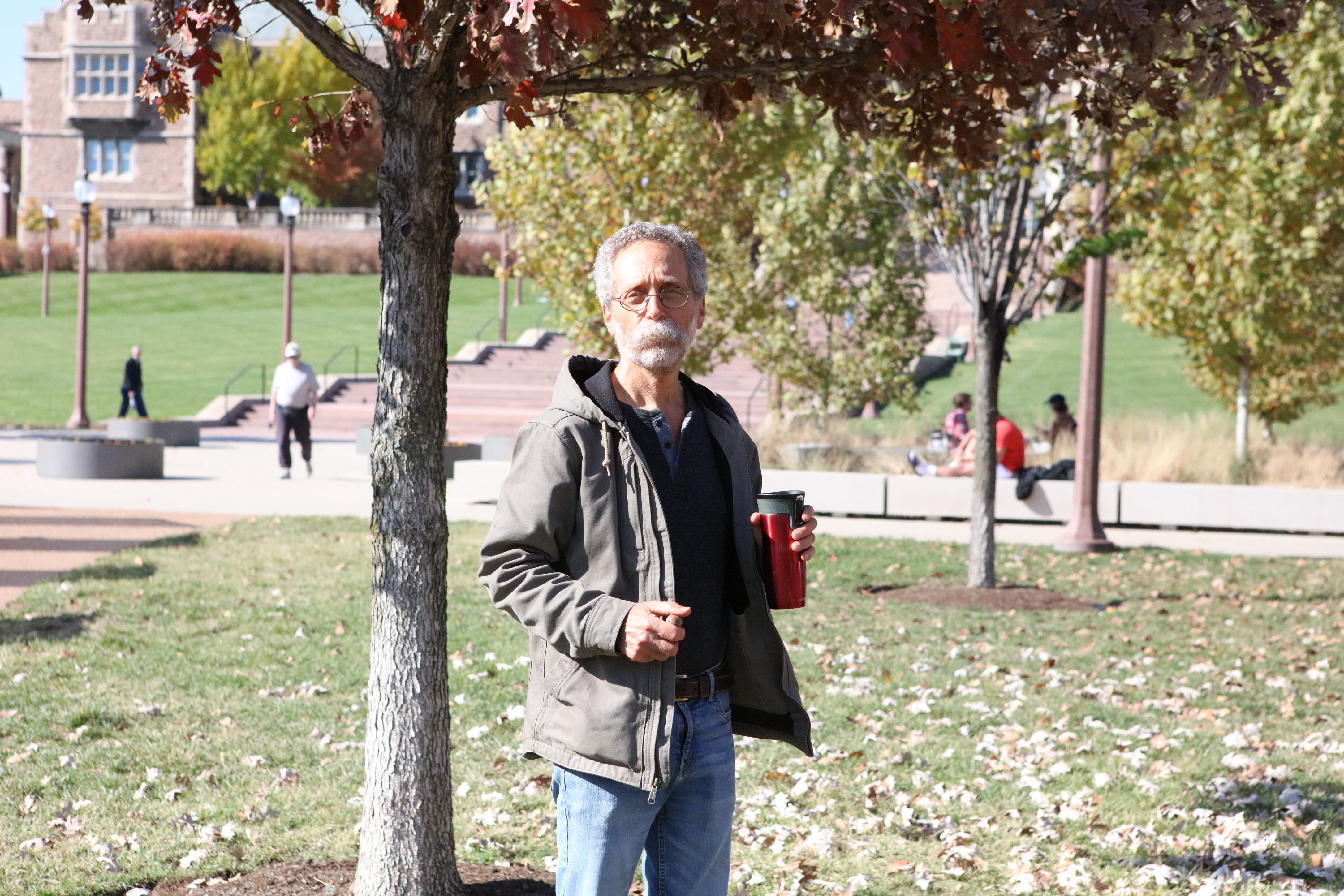
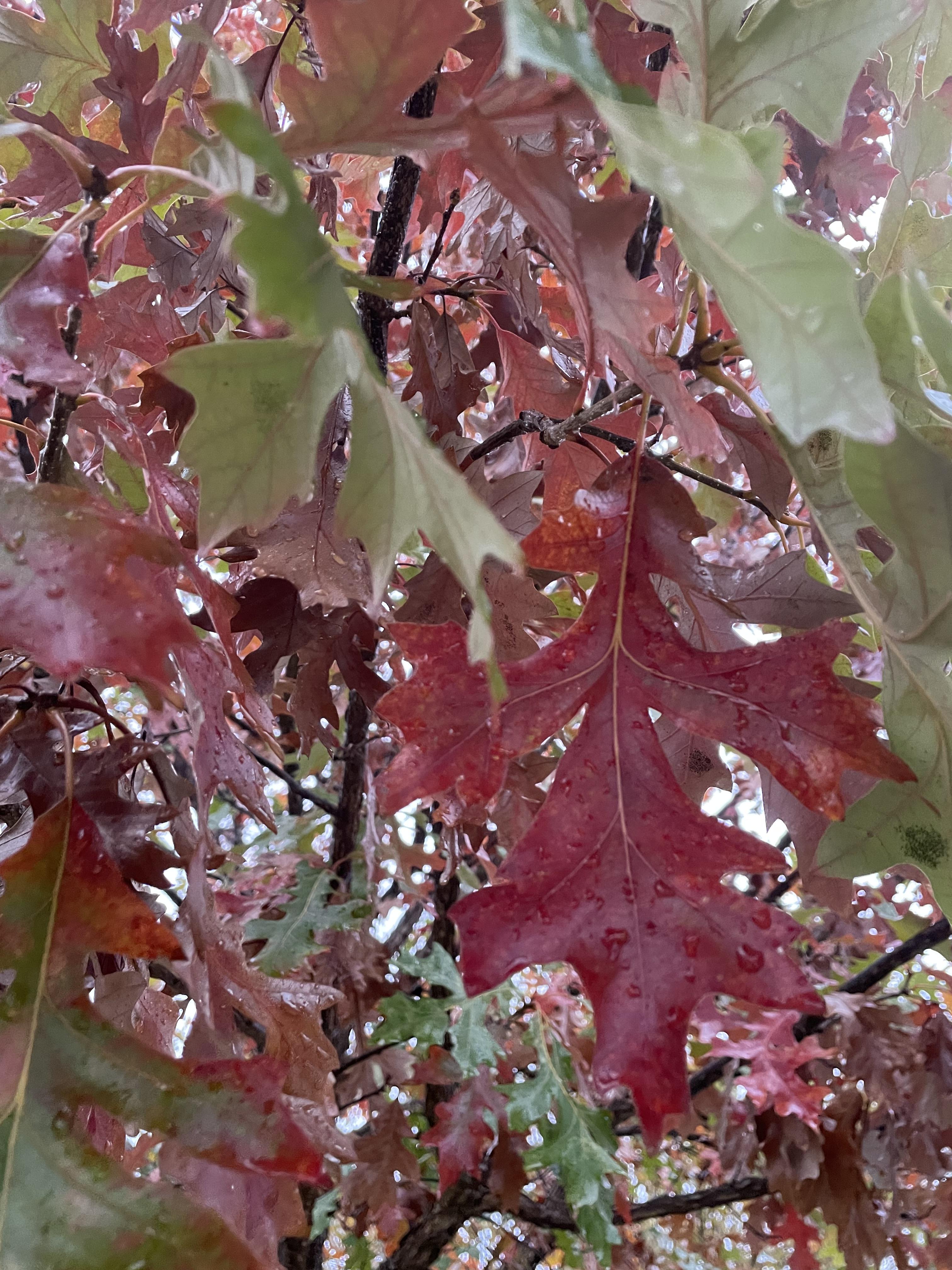
Although Quercus macrocarpa was Dr. Braude’s favorite tree and was selected as the 2025 Tree of the Year sticker in his honor, several members of the Arboretum community continued to think of the sweet-acorn tree he had championed. Additional observations of the tree revealed several notable attributes, including dark glossy foliage, distinctive leaf morphology, red fall color, and annual crop of acorns. These characteristics, along with acorns low in tannins, supported the decision to introduce the tree as a new cultivar named in Dr. Braude’s honor.
Scionwood was collected in 2024/2025 and distributed to Forrest Keeling Nursery in Missouri, Moon’s Tree Farm in Georgia, and Heritage Seedlings in Oregon, USA for grafting. Following consultation with Dr. Braude’s family and colleagues, the cultivar name ‘Sweet Braude’ was selected. The epithet reflects both the unusually palatable, low-tannin acorns and the individual whose observation and enthusiasm brought the tree to broader attention.
The WashU Arboretum continues to advance Dr. Braude’s vision. It is fitting and bittersweet that the first cultivar introduced from the WashU Arboretum commemorates Dr. Stan Braude, the Arboretum’s first academic curator.
The International Oak Society acknowledges the generous support of the following institutions:
Supporting Institutional Members



Standard Institutional Members