Editor's Picks

While working on a list of synonyms of European White Oaks...
Roderick Cameron
|
Aug 24, 2026
Report led by The Morton Arboretum will help prioritize oak...
Website Editor
|
Aug 06, 2026
Motivation
I live in the village of Dolné Dubové...
Jozef Čapkovič
|
Jul 20, 2026
Plant Focus
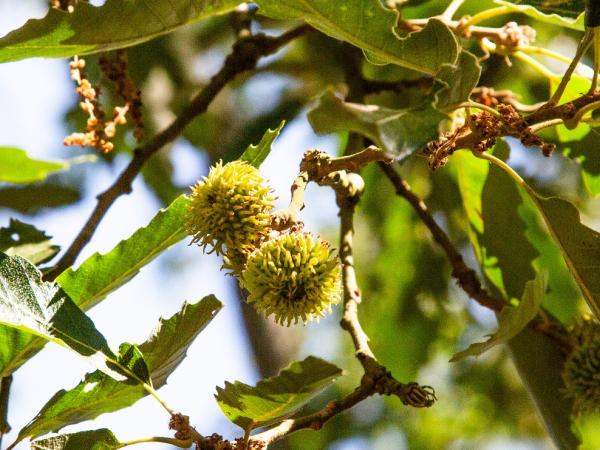
The only oak species endemic to Africa is rare in cultivation. It shouldn't be.
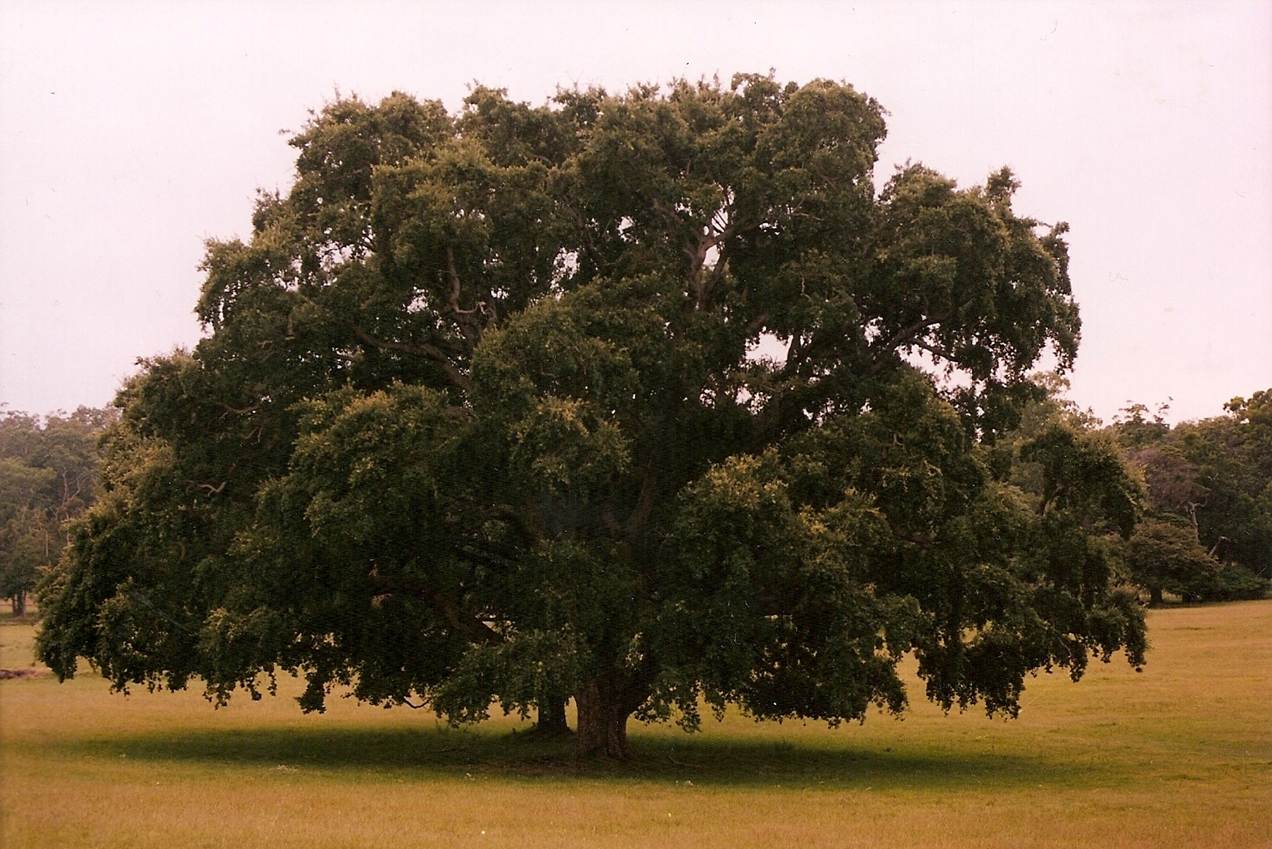
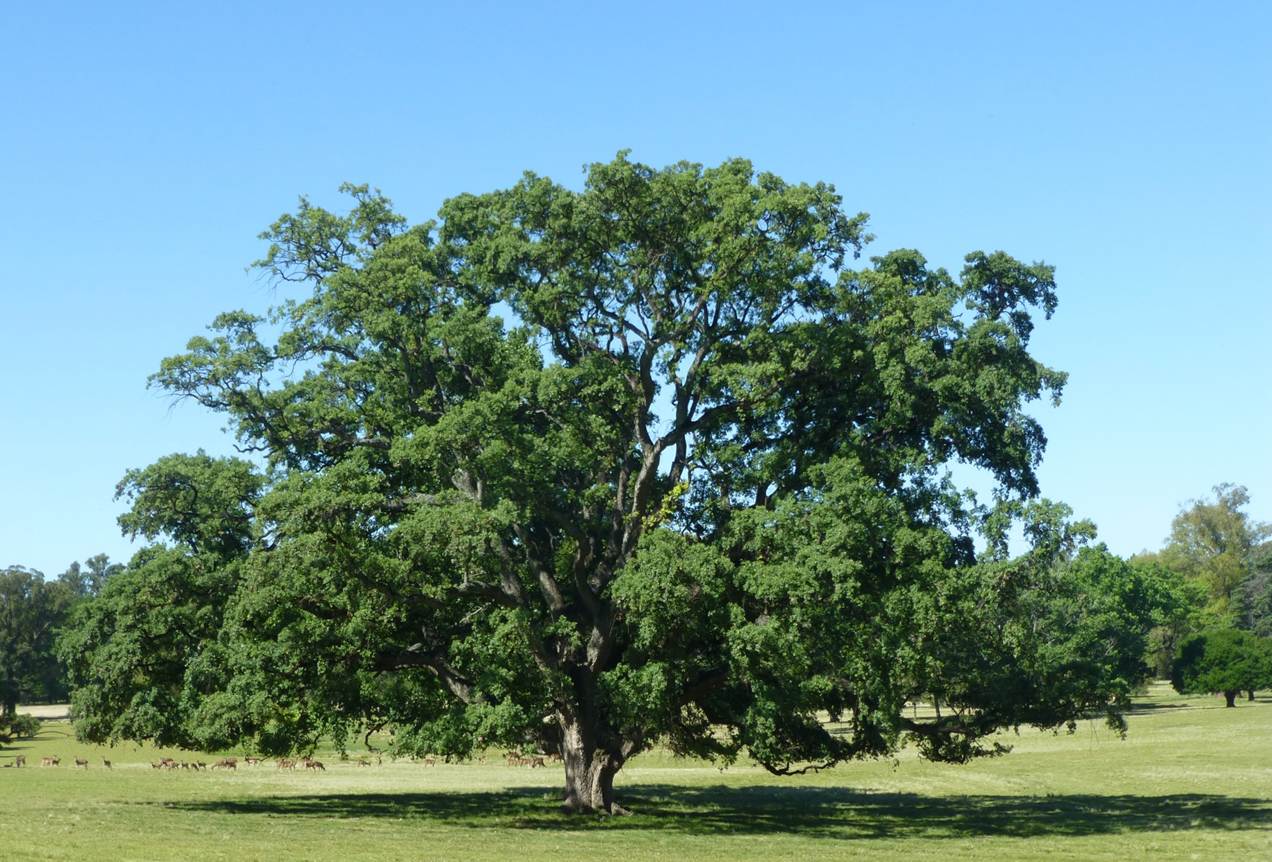
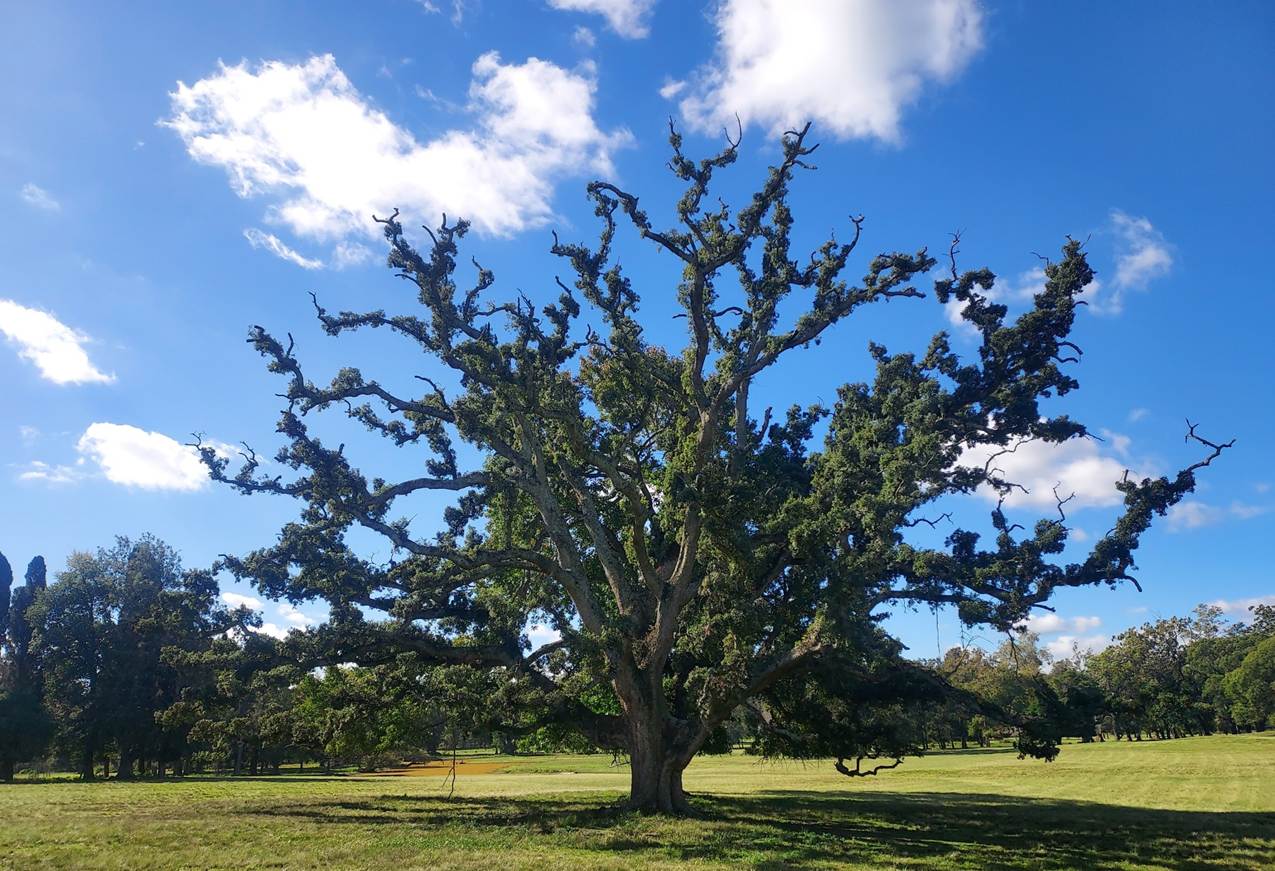
Last April, I returned to Parque Anchorena, the summer residence of the President of Uruguay, to view the monumental Quercus suber (alcornoque in Spanish); I had not seen it since 2013. Though I had been warned it was in decline, it was nevertheless a shock to see its canopy, formerly dense and luxuriant, reduced to straggly branches lined with epicormic growth. According to its keepers, it had in fact been in a worse state in 2021 and had been slowly recovering following treatment. The principal symptom had been heavy infestation with sooty mold (fumagina in Spanish, caused by Ascomycete fungi), to the extent that lower branches were covered in a layer of black mold—not formed on the bark, but rather, dropped from affected foliage above. Treatment has included fumigation with fungicide and application of fertilizer, with encouraging results. Still, it is difficult to ascertain the true cause of the oak’s decline, or whether recovery is due solely to the treatment.
Several factors may be involved. Perhaps the conditions in which it is growing—much more humid than the dry Mediterranean climate of its native range—make it more susceptible to sooty mold. A nearby Liquidambar styraciflua, planted too close, may also have a detrimental effect; removing it at this stage could have unforeseen consequences, and park managers have not dared to take that decision. Alternatively, the decline may be expected. The tree has grown faster and even larger than it would in habitat, which may come at the cost of a shorter lifespan. It is estimated to be almost 120 years old, but there is little evidence for the expected longevity of oaks in the temperate regions of the Southern Hemisphere. They evidently grow faster—does this also mean we should not be surprised when they decline after a century? On my previous visit, I had already noted a slight decline compared to photos from 2003, as well as epicormic shoots on branches.
What has likely not been a factor is soil compaction, unlike other cases of ancient oaks in decline. Though the park receives visitors, they are generally not permitted to approach the oak. The only feet to trample the soil under the canopy would be those of the deer (Axis axis) that roam the ground, having been introduced for cynengetic purposes (i.e., to be hunted) by Aarón de Anchorena, the park's founder, in the 1920s.
It appears not to have grown significantly in the 13 years since I last saw it. I recorded a girth of 5.6 m (practically the same as in 2013). I had measured a height of 23.2 m back then, and on this occasion the average of several measurements from different angles was around 20 m. The decrease may be due to reduced canopy and foliage. The canopy spread had apparently also decreased from 38.2 m in 2013 to 35.9 m in 2026. It remains, however, a notable cork oak in cultivation, and an instructive example of how this species performs in conditions very different from its native habitat.
Content by the Same Author
The International Oak Society acknowledges the generous support of the following institutions:
Supporting Institutional Members




Standard Institutional Members