Editor's Picks

While working on a list of synonyms of European White Oaks...
Roderick Cameron
|
Aug 24, 2026
Report led by The Morton Arboretum will help prioritize oak...
Website Editor
|
Aug 06, 2026
Motivation
I live in the village of Dolné Dubové...
Jozef Čapkovič
|
Jul 20, 2026
Plant Focus
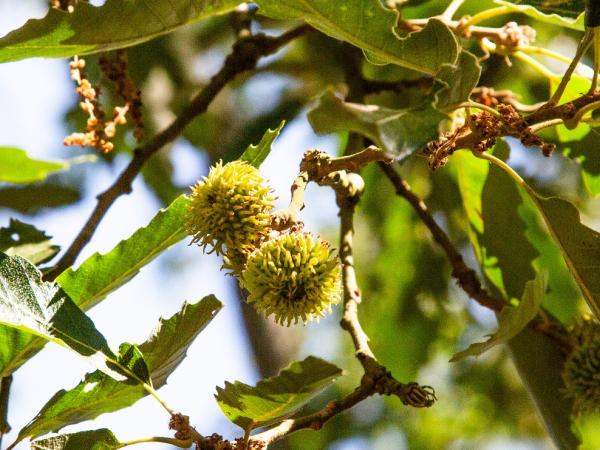
The only oak species endemic to Africa is rare in cultivation. It shouldn't be.
Project Contact: Tom Dudley, Researcher, University of California Santa Barbara (and Manager, Restoration Science LLC) University of California, Santa Barbara, California, USA.
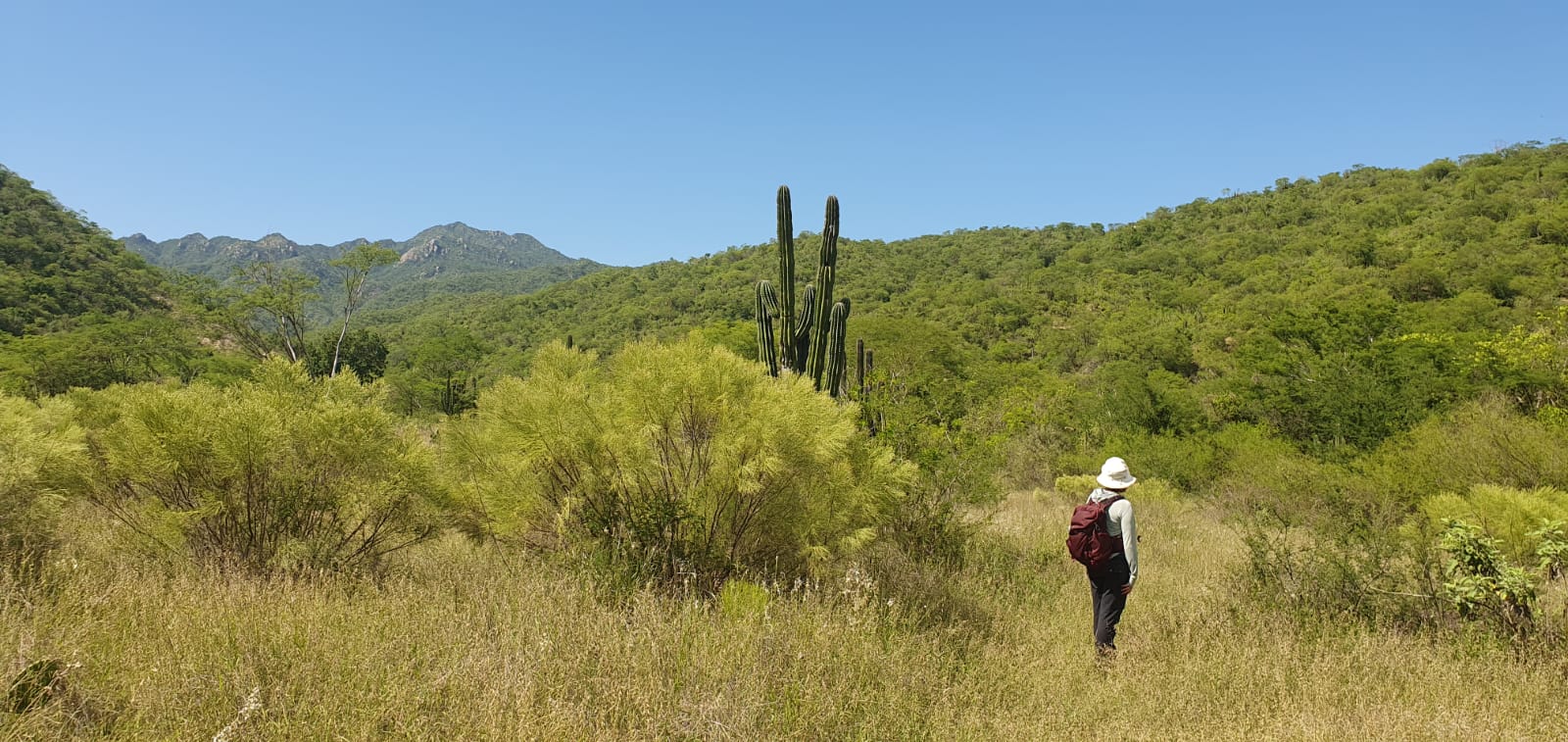
Executive Summary: Rancho Encinalito (RE) is a 365 ha. mixed subtropical/oak woodlands at ca. 1200 m elevation in the Sierra de la Laguna of Baja California Sur, protected from livestock grazing since 2005. The historic Rancho is proposed as a conservation and research reserve for environmental topics of global importance, to be cooperatively administered by a Mexican conservation organization, likely Pronatura Noroeste, and the University of California – Natural Reserve System. A major focus at Encinalito, which translates to "small oak ranch" is the protection and promotion of four species of oaks. Two endemic oaks, Quercus brandegeei (encino arroyo) and Q. devia (encino negro), are IUCN Red List endangered species present in very low numbers on RE and largely absent in the surrounding landscape owing to livestock feeding on acorns and seedlings (but are tolerant of herbivores once established). Two ecologically important and more broadly distributed oaks, Q. tuberculata (encino robIe) and Q. albocincta (encino laurel), are also found in this mid-elevation landscape, but recruitment is also severely limited by grazing. An environmental assessment conducted in 2023 as a collaboration between Mexican researchers supported by Innovaciones Alumbra and a University of California graduate student team funded by the UC-Alianza-MX program demonstrated the high biodiversity value of this unique landscape as well as the need for restoration of ecosystem components, particularly the depleted oak populations. Conditions at Rancho Encinalito appear well-suited for establishing Q. brandegeei along a major intermittent stream once the impacts of historic over-grazing have been mitigated.
We are developing a partnership amongst Rancho Encinalito and the surrounding ranchos, the Union de Conservación Agua de la Sierra (UCAS) for the purpose of conserving and enhancing regional biodiversity while promoting sustainable rural economies by pairing improved grazing practices with artisanal and ecotourism endeavors in the internationally popular Cabo San Lucas/San Jose del Cabo tourism hub. The Sierra de la Laguna Biosphere Reserve is adjacent to the UCAS properties and similarly has experienced overgrazing and a decline in populations of these oaks, particularly the two Endangered species, and Reserve managers are keenly interested in the potential for restoring these oak species along with other rare and sensitive trees and woody shrubs for biodiversity enhancement as well as their ecosystem services in reducing erosion and providing shade and resources for wildlife. Thus, a valuable outcome of development of the Rancho Encinalito project would be to establish a conservation nursery for propagating oaks and other declining trees for out-planting not only for RE and UCAS lands, but also for restoration of other important conservation landscapes in the region.
Target Species:
Quercus brandegeei (EN)
Quercus devia (EN)
Quercus tuberculata (LC)
Quercus albocincta (LC)
The International Oak Society acknowledges the generous support of the following institutions:
Supporting Institutional Members




Standard Institutional Members