Editor's Picks

A new documentary by Maricela Rodríguez Acosta
Website Editor
|
Feb 17, 2026

A rare oak endemic to the Ryukyu Islands of Japan
Elion Jam
|
Feb 16, 2026

Steve Potter reviews a new book that features oaks
Steve Potter
|
Feb 11, 2026
Plant Focus

Antonio Lambe shares his views on this threatened oak native to Iberia and North Africa
Where are you from?
Born and bred in Argentina, but I’ve been living in Uruguay as from 2012.
What is your professional background?
Originally trained as an actor and director, ran a video production company, performed in theater and film in Argentina and the USA. Early in the noughties sidestepped into a career in financial services, my current occupation.
How did your interest in oaks start?
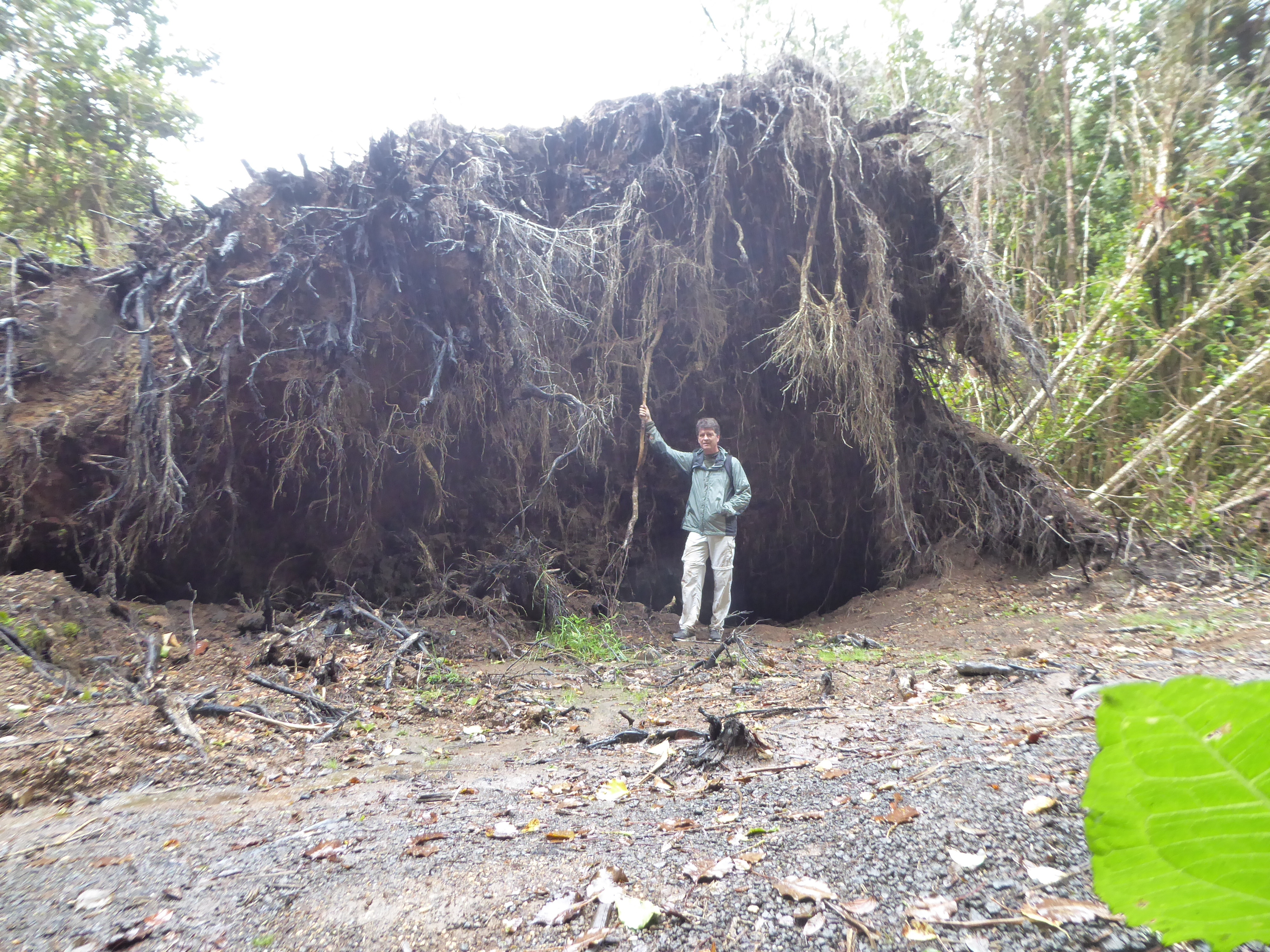
My father started an oak collection in the 1990s, but it wasn’t till he died in 2008 that I took a closer look at what he had planted. The labels were all Greek to me and I couldn’t tell a cultivar from a samovar, but it was springtime as I first wandered among the oaks, and many were budding out or dangling catkins, and before I knew it I was hooked. My initial interest focused on oak collections and I was able to visit querceta in different corners of the world, but later I felt an even stronger attraction for oaks growing in the wild, particularly the ones I saw in the Central American cloud forests. I have written about my introduction to oaks in an article here.
How did you come to join IOS?
I knew my father had been a member of the International Oak Society, and I thought a safe step would be to join, so as to know what to do with his collection. It has been downhill from there (I mean that in the cyclist’s sense of the term, of course).
I visited Starhill Arboretum as I was dipping my toe into the quercine ocean, and soon afterwards Guy Sternberg shanghaied me into joining the Board of Directors. We might say that the downhill slope became steeper at that stage.
Which is your favorite oak?
Ask me tomorrow and it may be another one, but at the moment it is Quercus humboldtii, the Andean oak from the mountains of Colombia and eastern Panama. Part of the appeal may be that, as a South American, this is the only oak species I could, at a stretch, consider to be sympatric. Another part may be the specific epithet, as I recently read The Invention of Nature and have become fascinated by the life of Alexander von Humboldt.
An oak anecdote you would like to share?
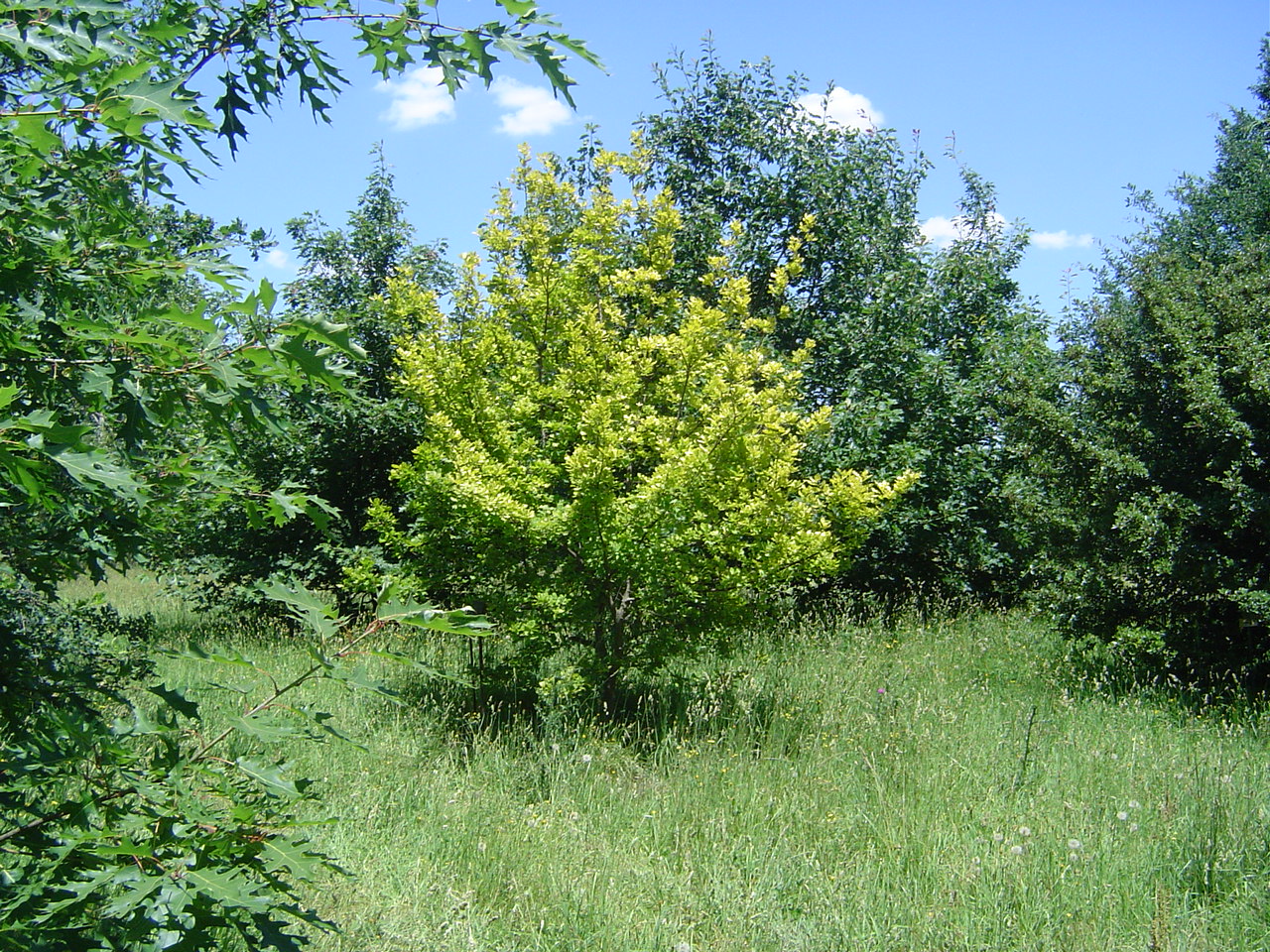
My parents liked to plant trees to commemorate special occasions. Being British subjects, the Golden Jubilee of Queen Elizabeth II, which marked 50 years since her coronation in 1952, certainly qualified as deserving of a planting. My father obtained for the occasion a seedling of a cultivar of English oak known as golden oak (Quercus robur ‘Concordia’), not a simple task in Argentina, and duly planted it. My mother wrote a letter to Buckingham Palace to notify the Queen about the event, and of course the Palace replied. The letter was framed and proudly displayed by my father’s bar. The Diamond Jubilee was in 2012, and for the occasion I planted a Q. petraea 'Purpurea', sent a letter informing Buckingham Palace, and the reply was framed and hung at the other end of the bar.
Anything else you would like to add?
It has been a decade since I began my oak journey, and it has been a wonderful ride. It has been about so much more than the trees. The people I have met through oaks and the IOS make up the most rewarding aspect, but it has also brought me back to writing and introduced me to creating content for websites, both the IOS website and one for the oak collection (www.grigadale.org).
The International Oak Society acknowledges the generous support of the following institutions:
Supporting Institutional Members



Standard Institutional Members