Editor's Picks
Images and insights from Ezra Barnea’s journey to Cyprus’s...
Ezra Barnea
|
Jun 13, 2026
Endangered oak Quercus hinckleyi shows strong genetic...
Website Editor
|
Jun 09, 2026
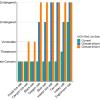
New paper should significantly change our approach to...
Steve Potter
|
Jun 09, 2026
Plant Focus
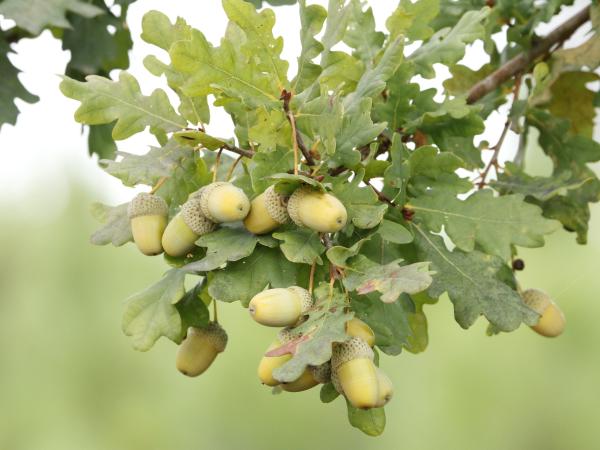
Roderick Cameron and Carlos Vila-Viçosa give an account of this intriguing species from northwestern Iberia with a complex taxonomic and...
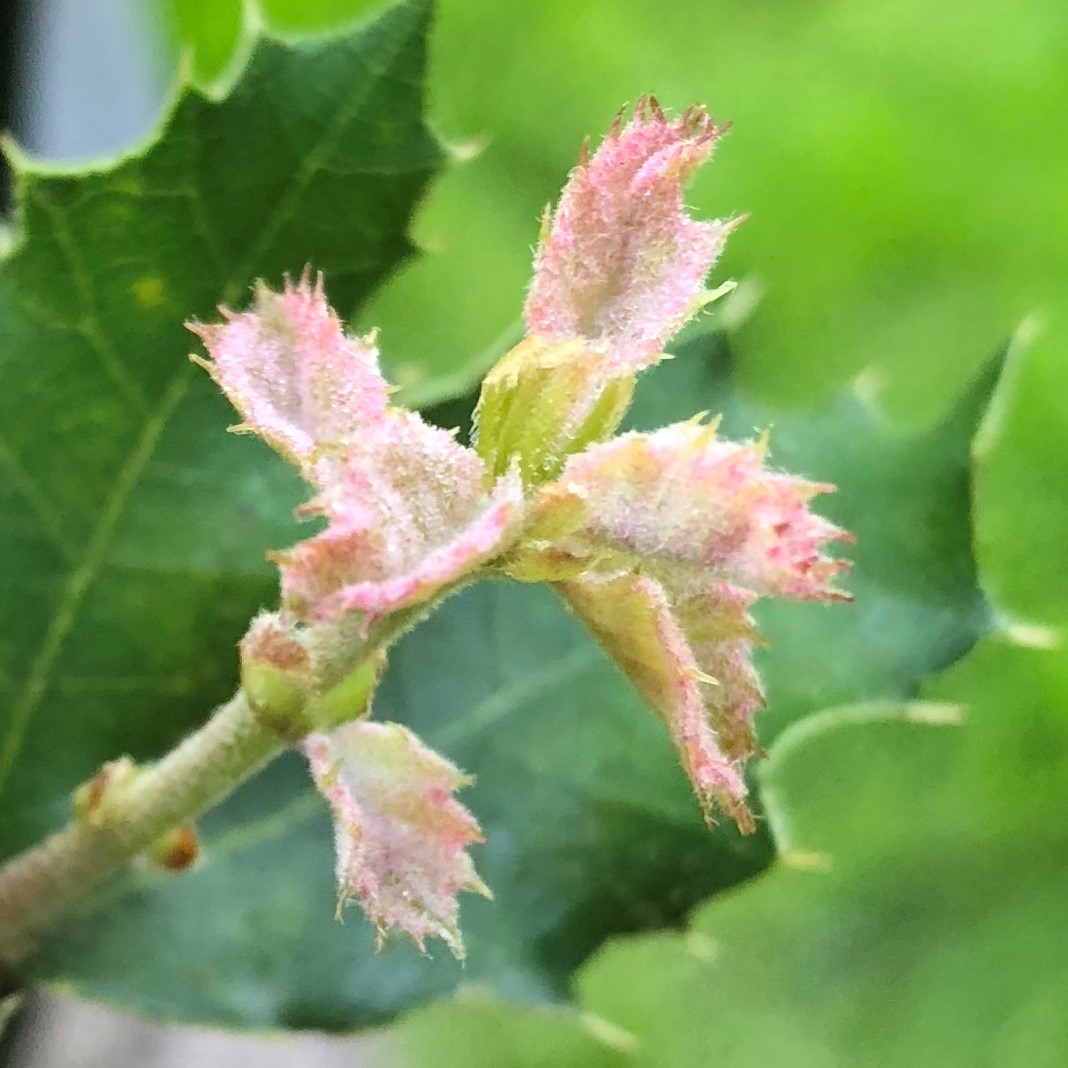
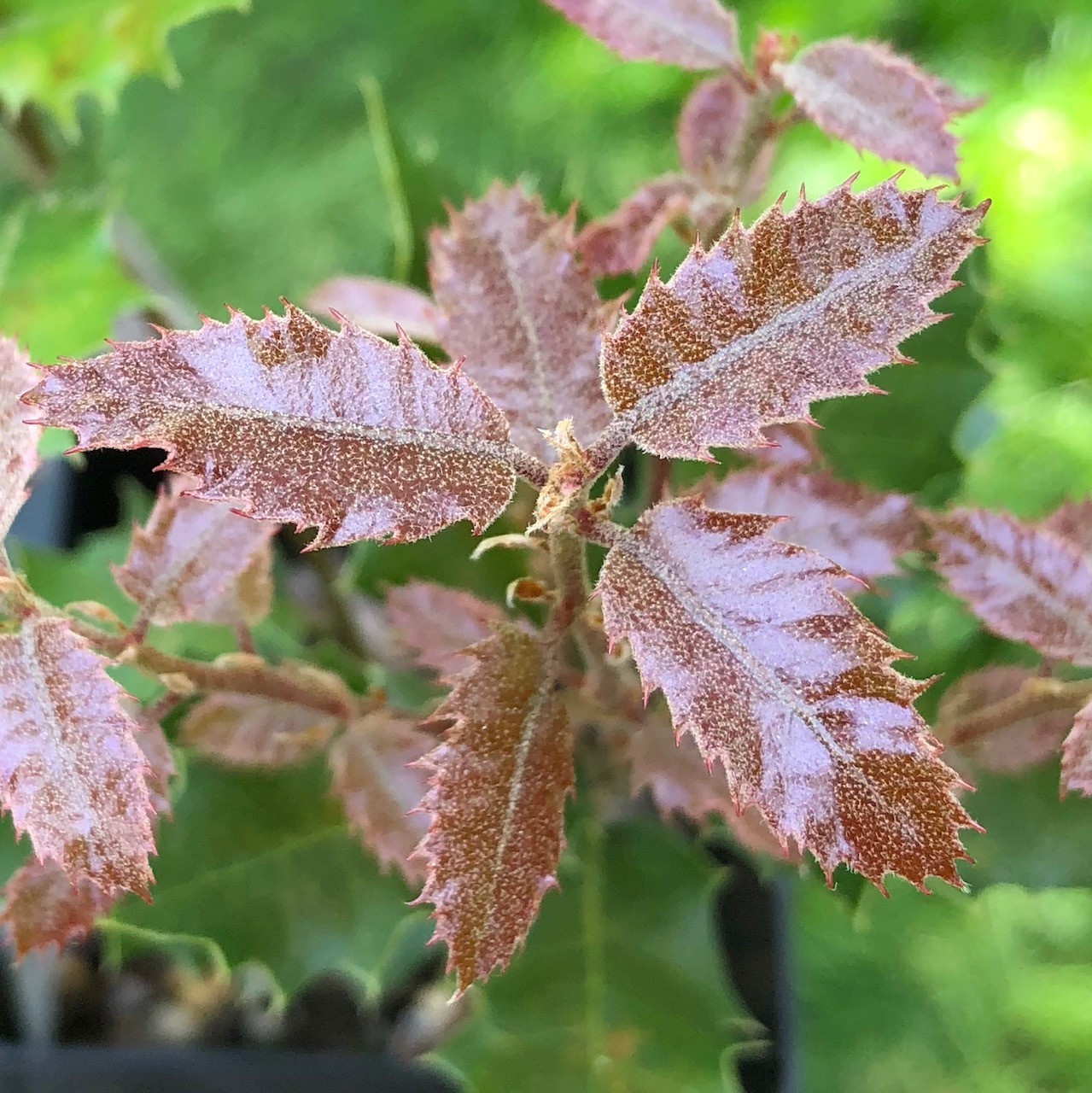
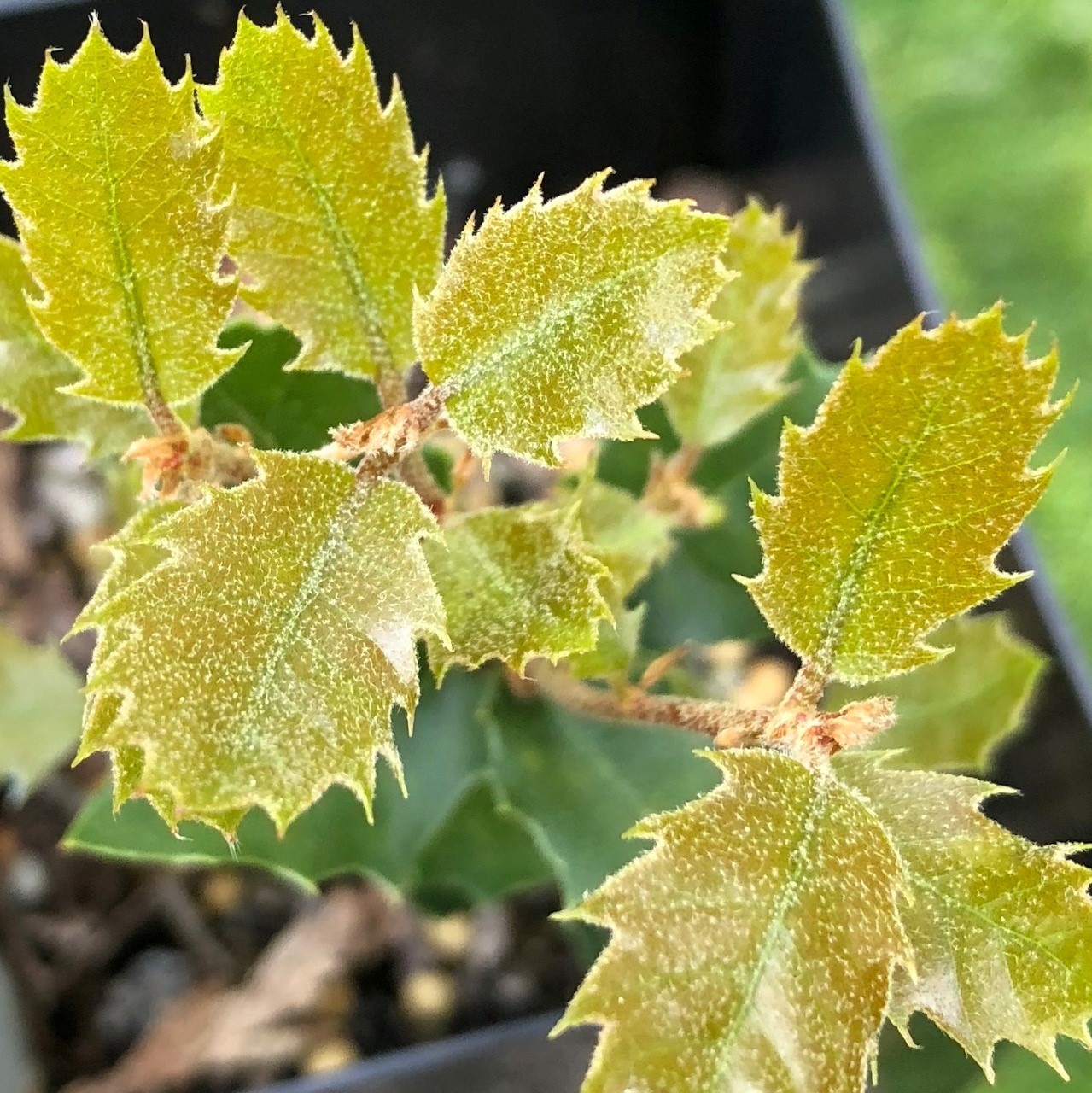
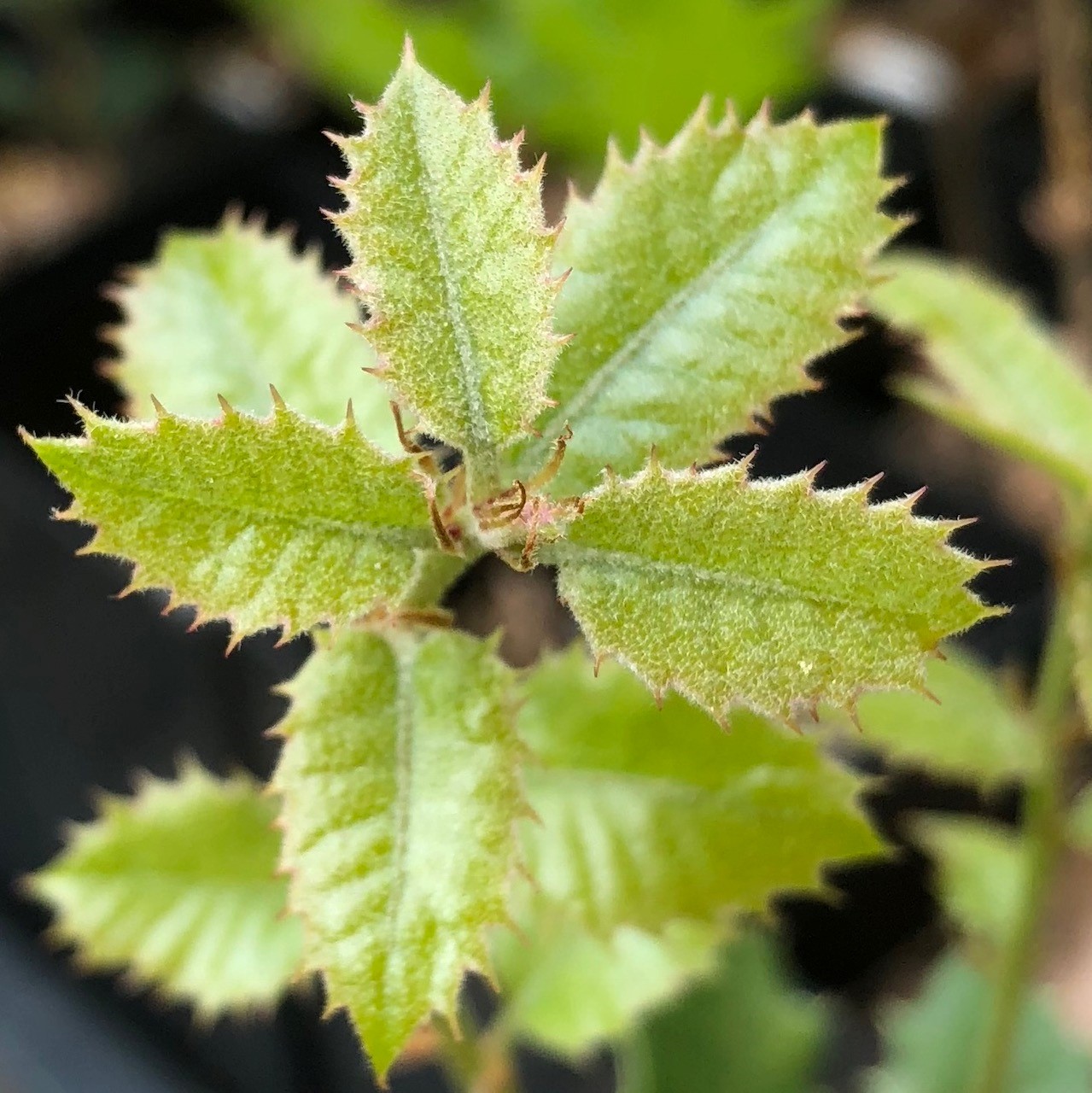
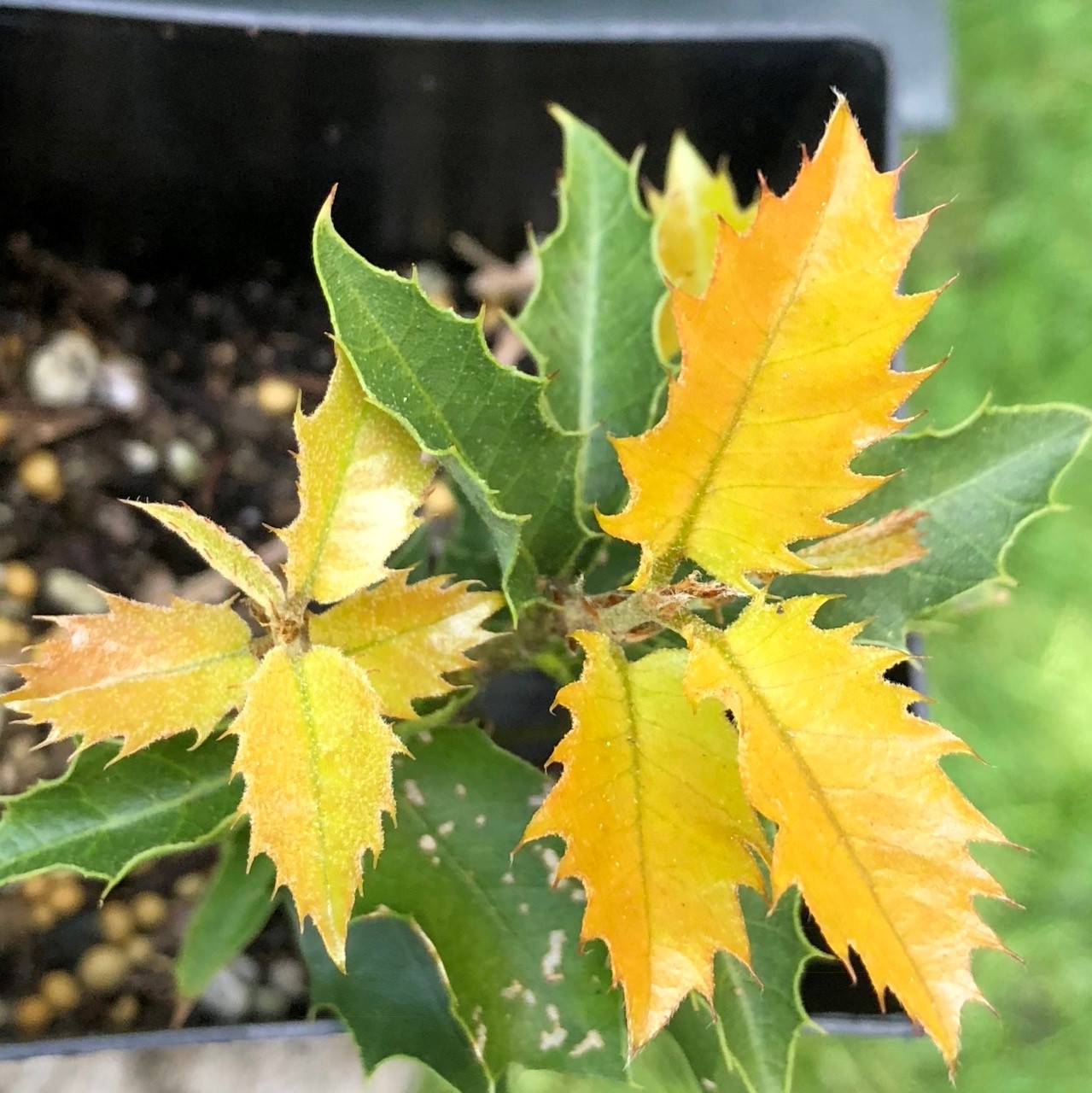
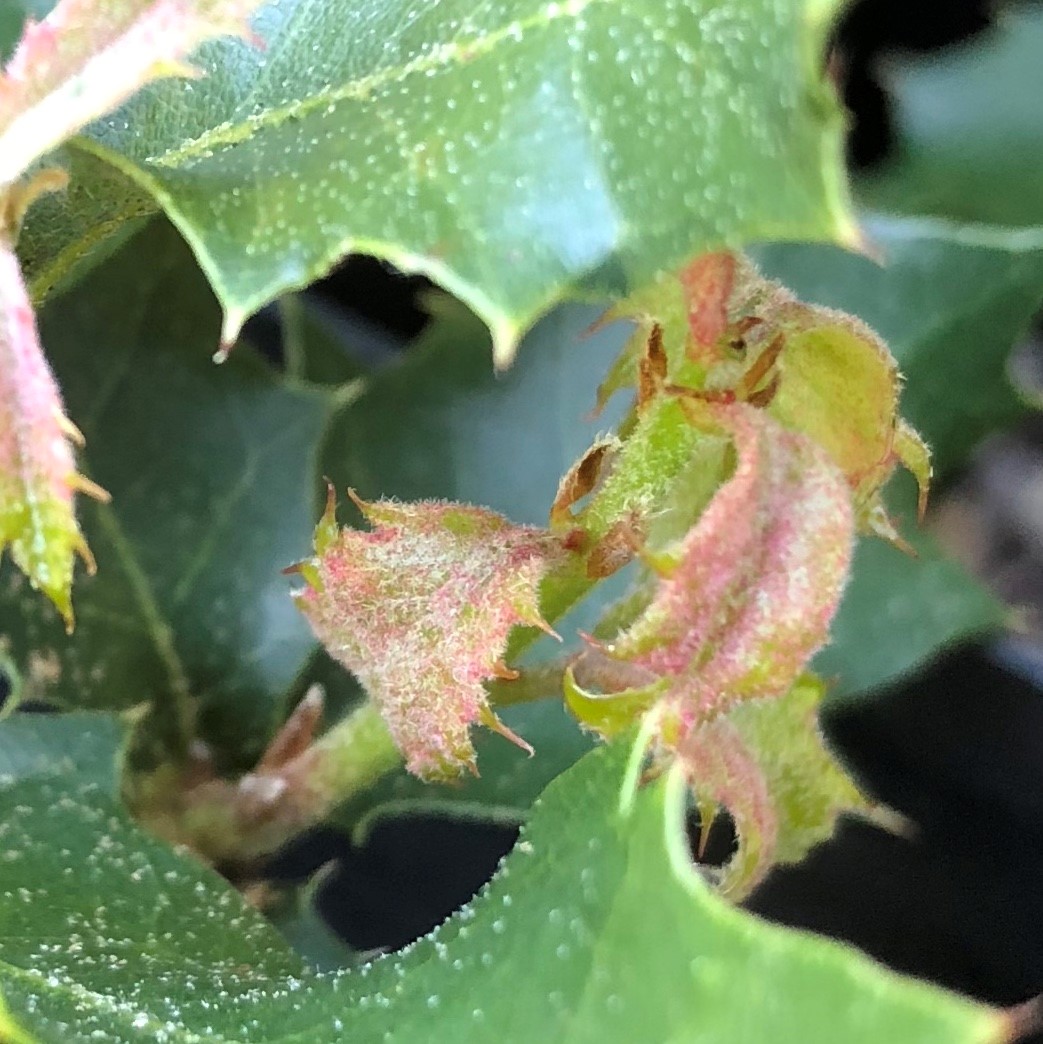
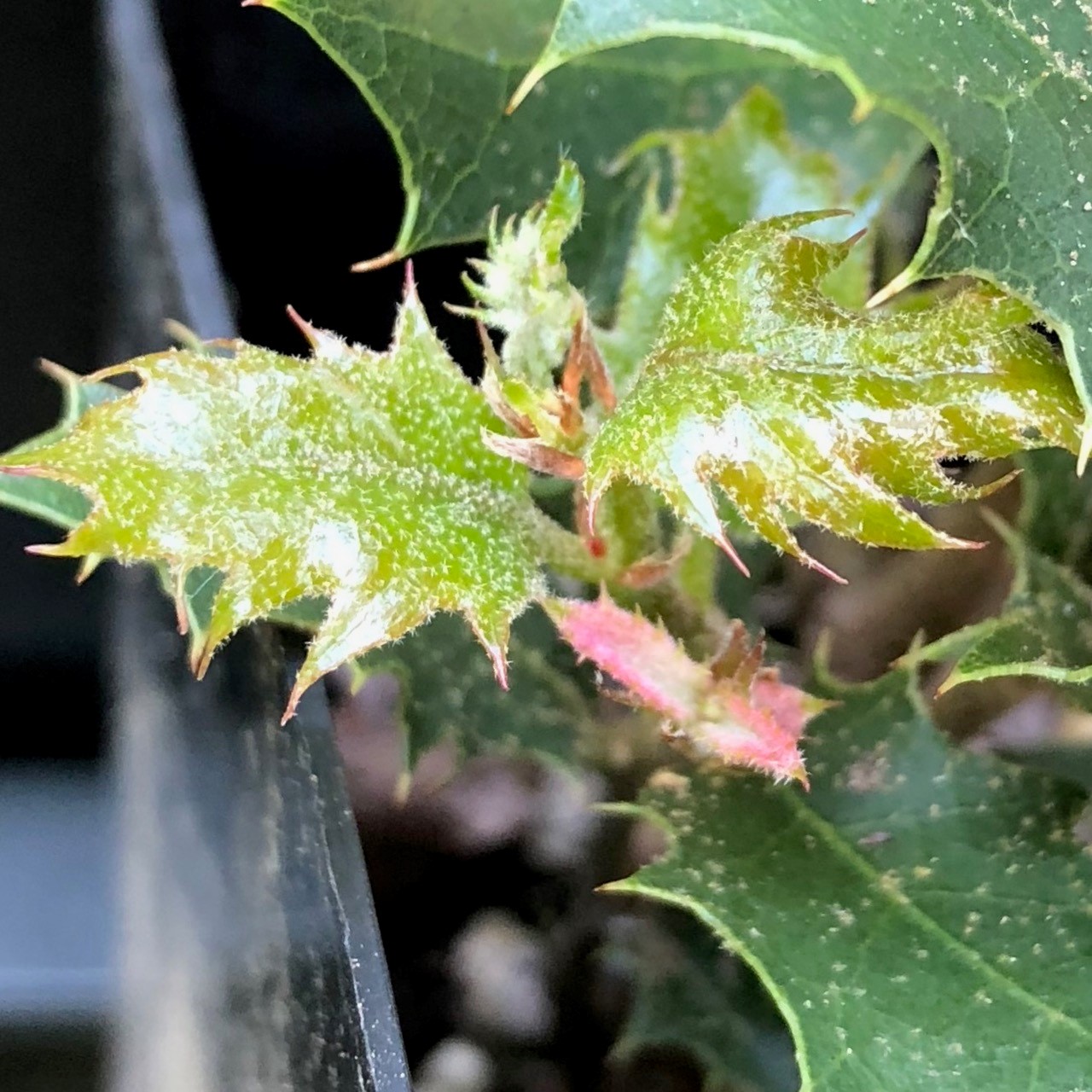
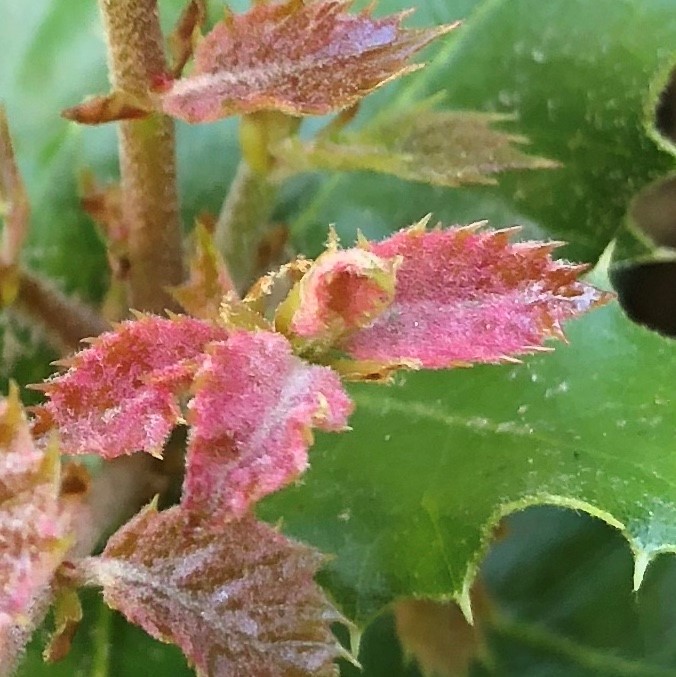
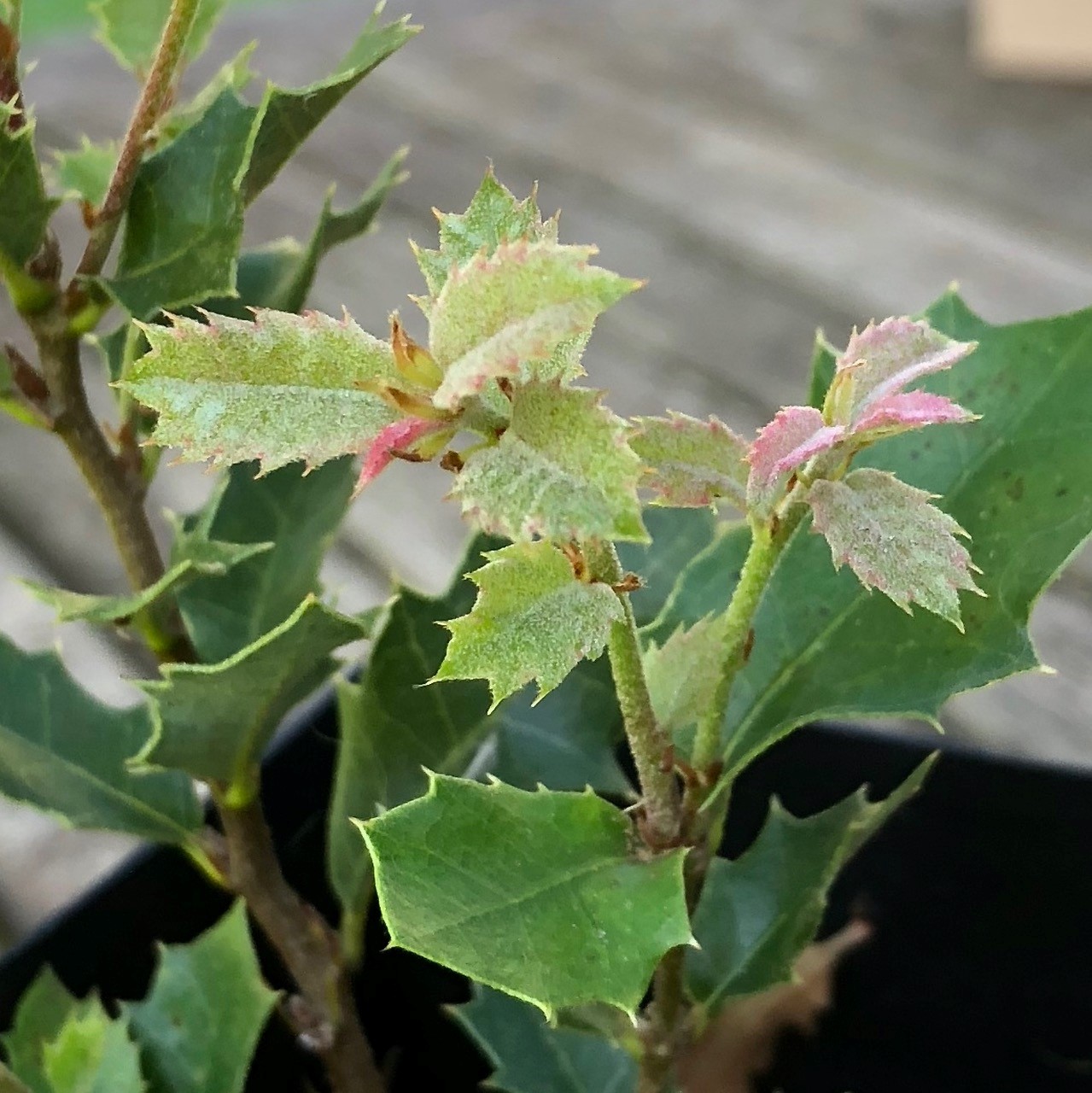
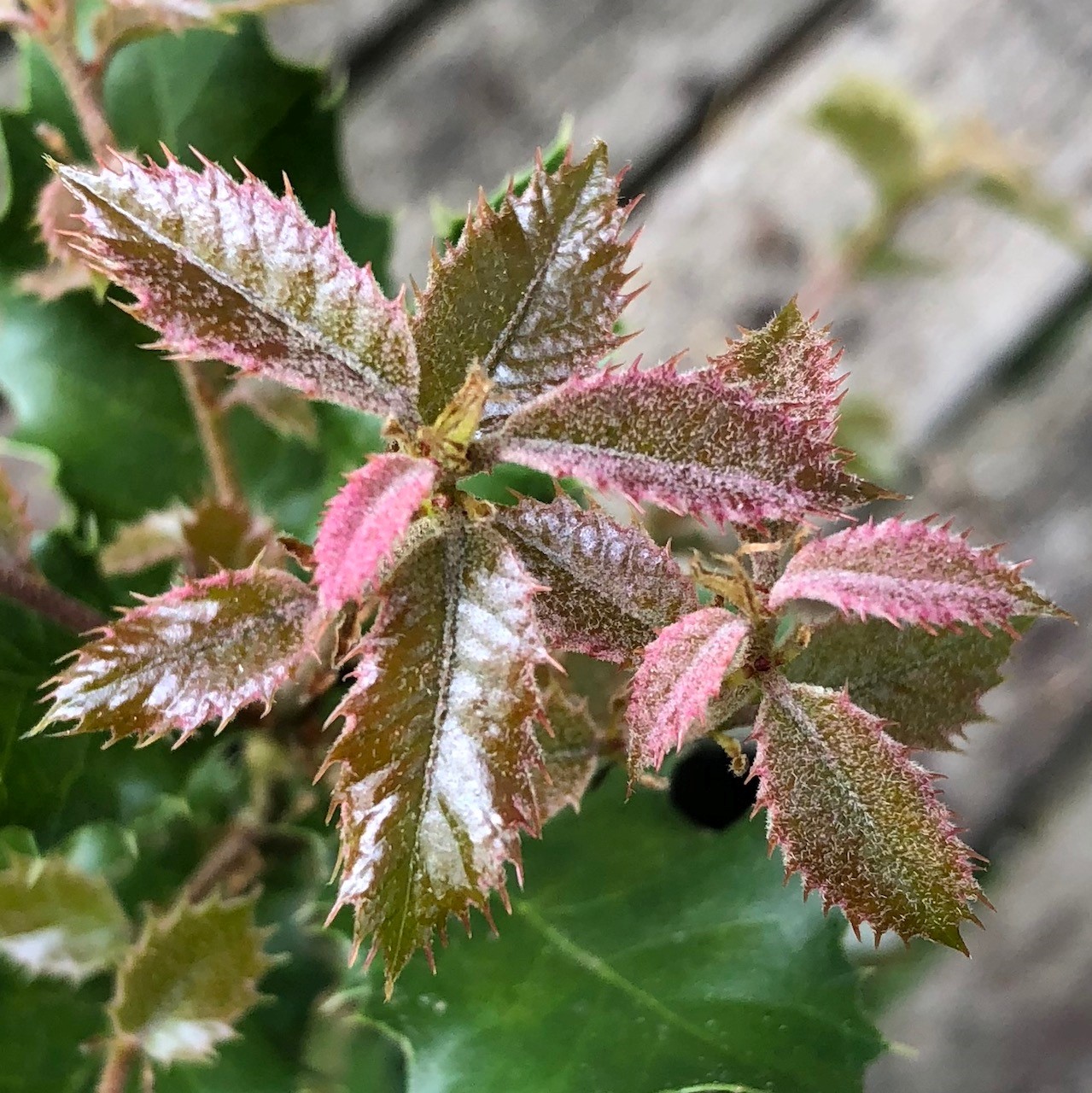
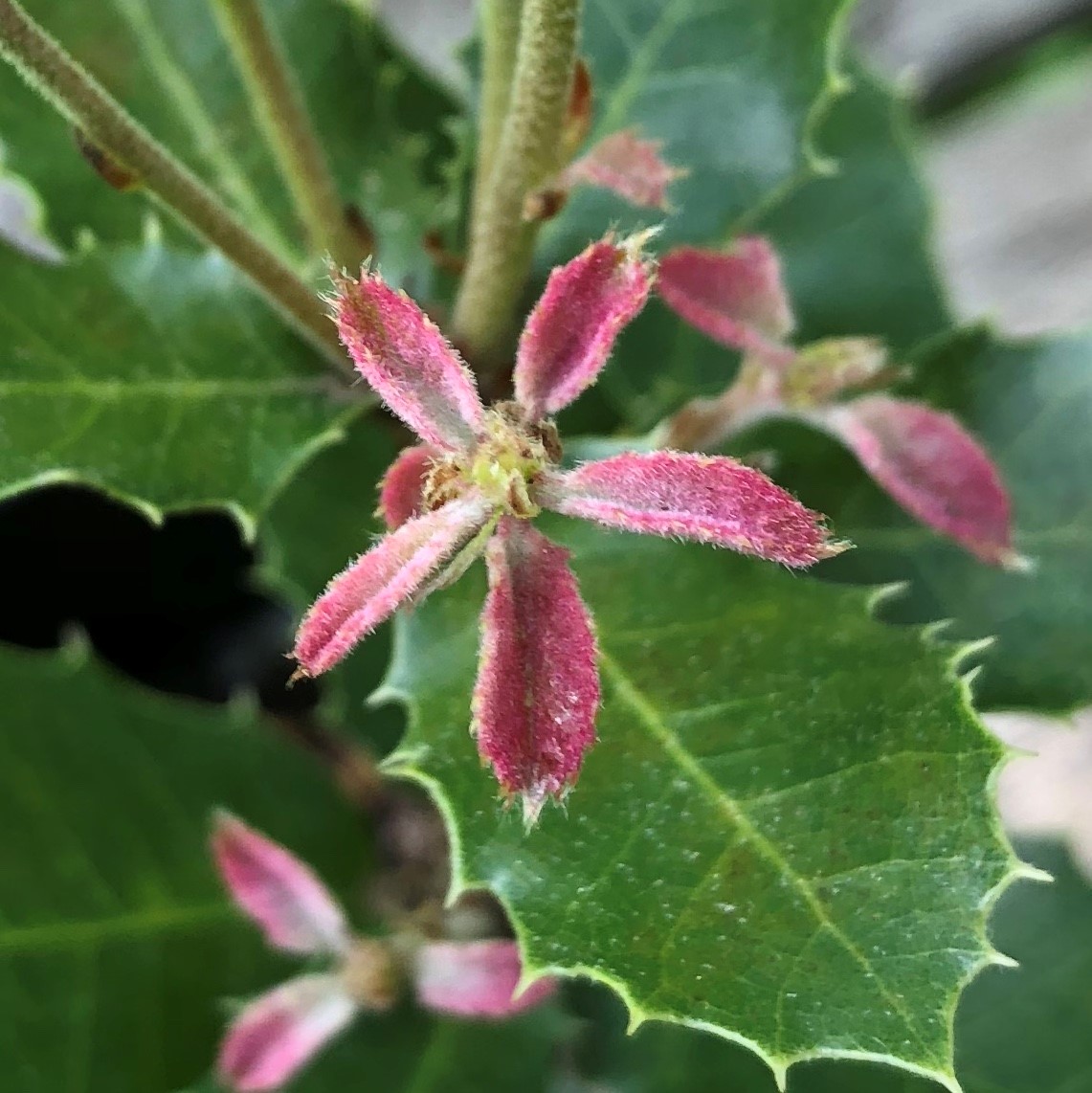
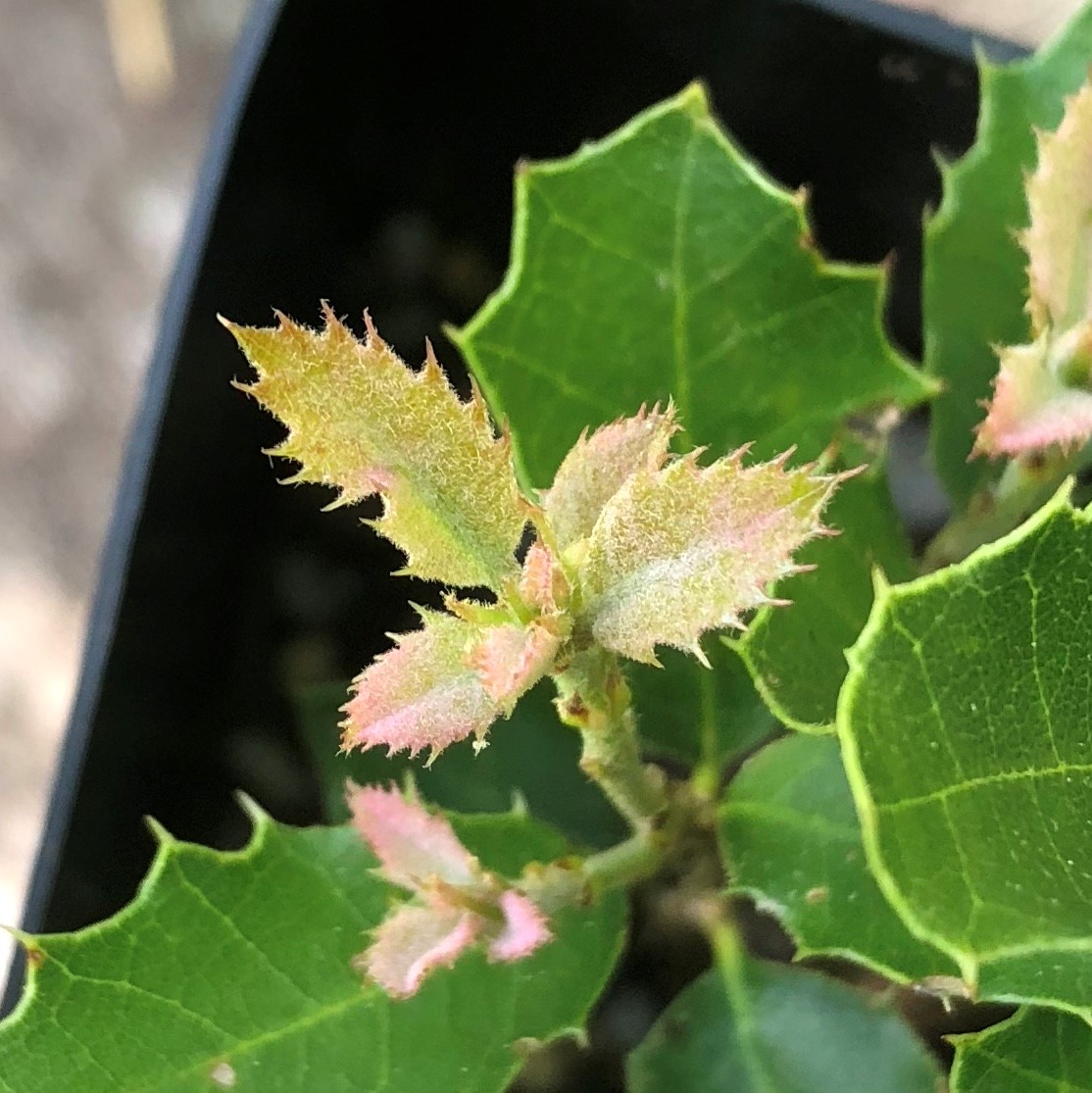
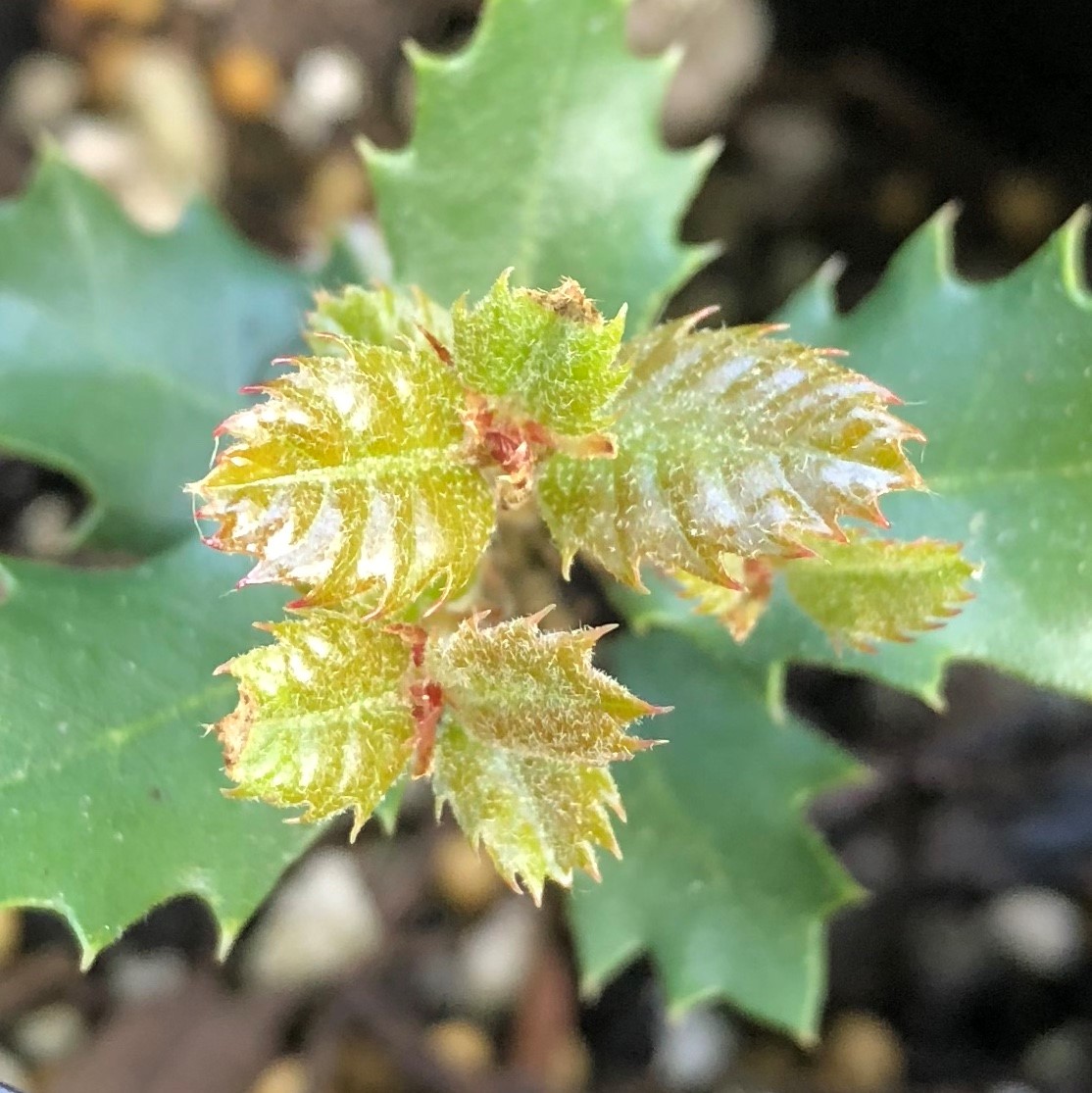
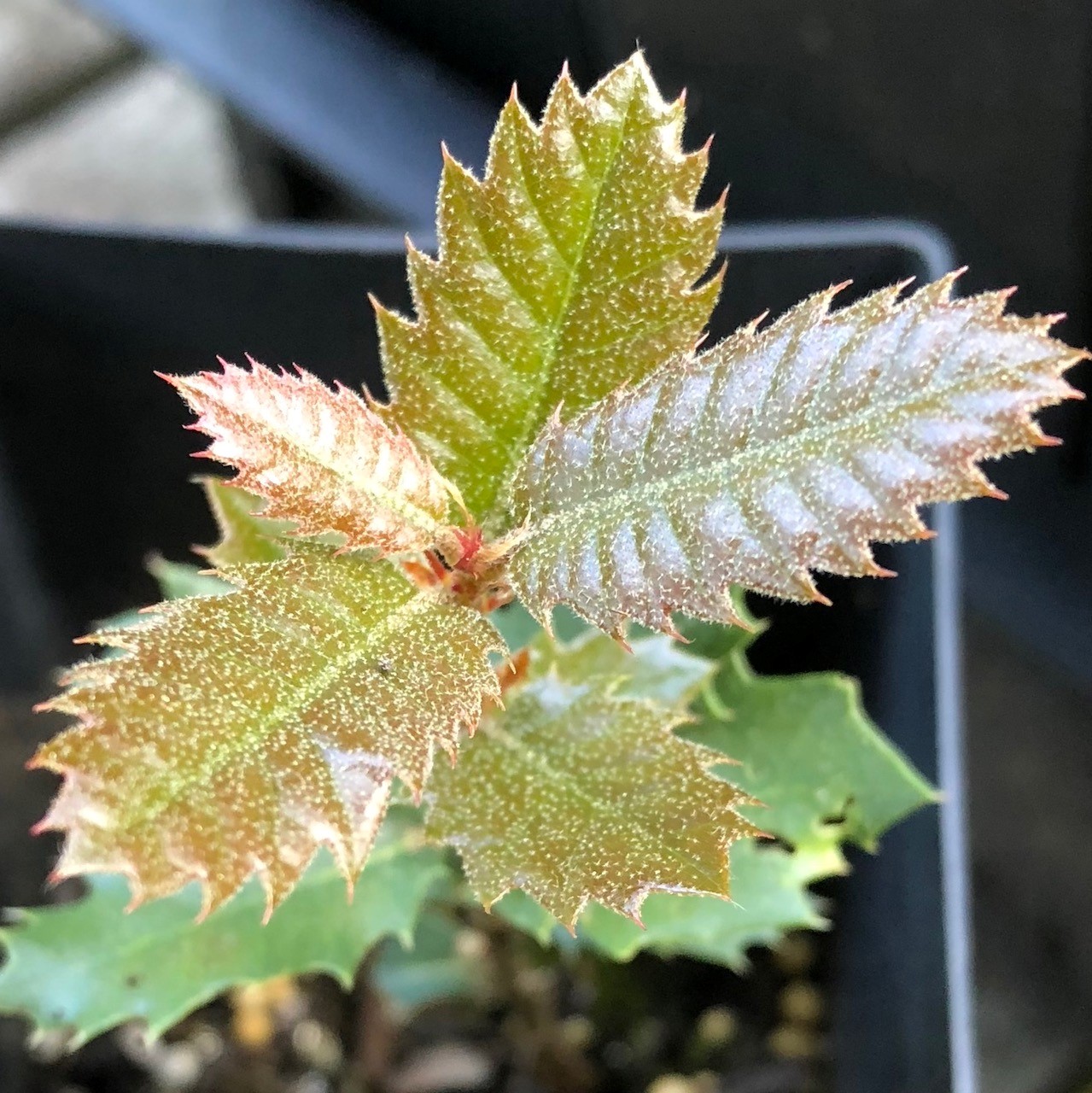
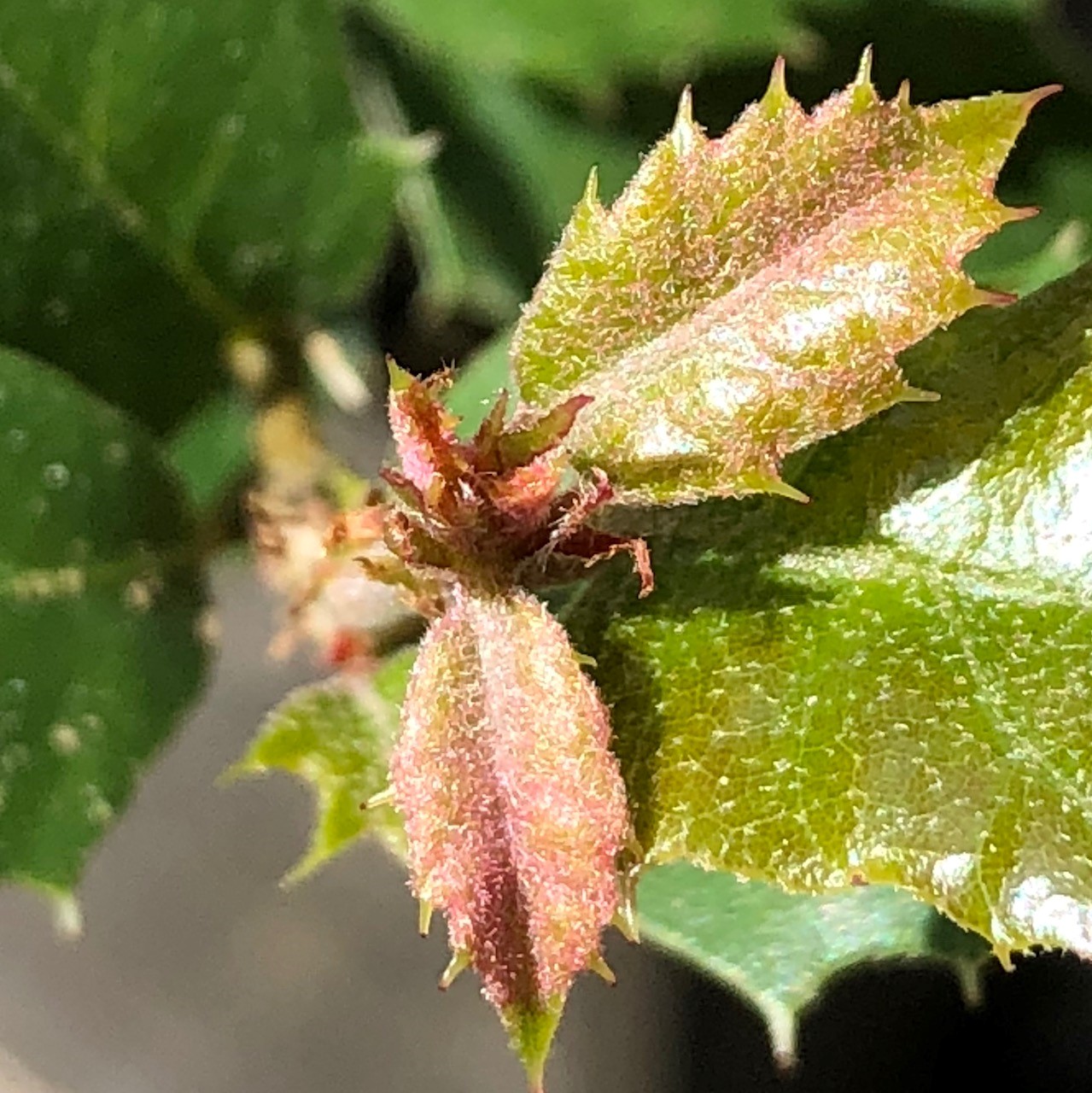
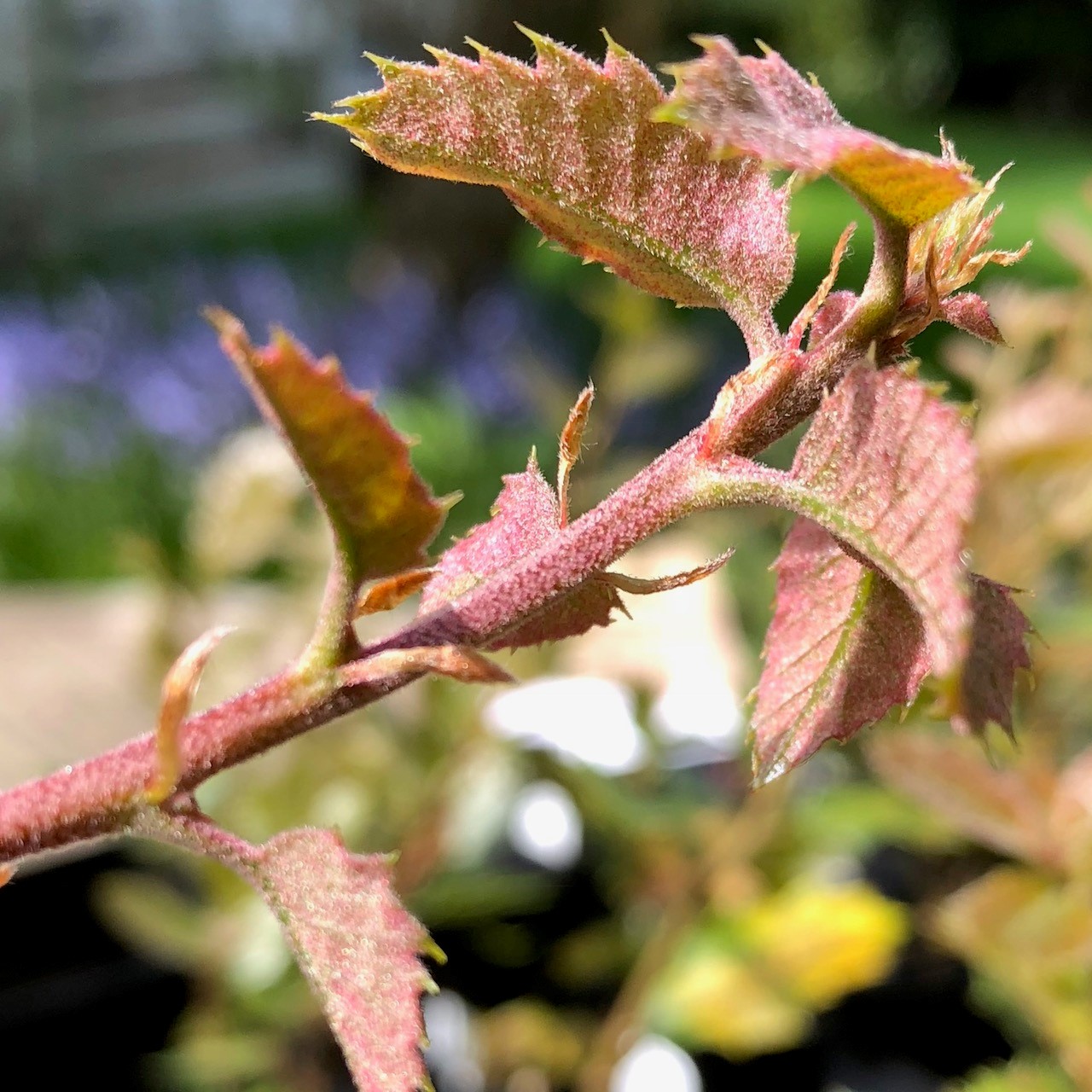
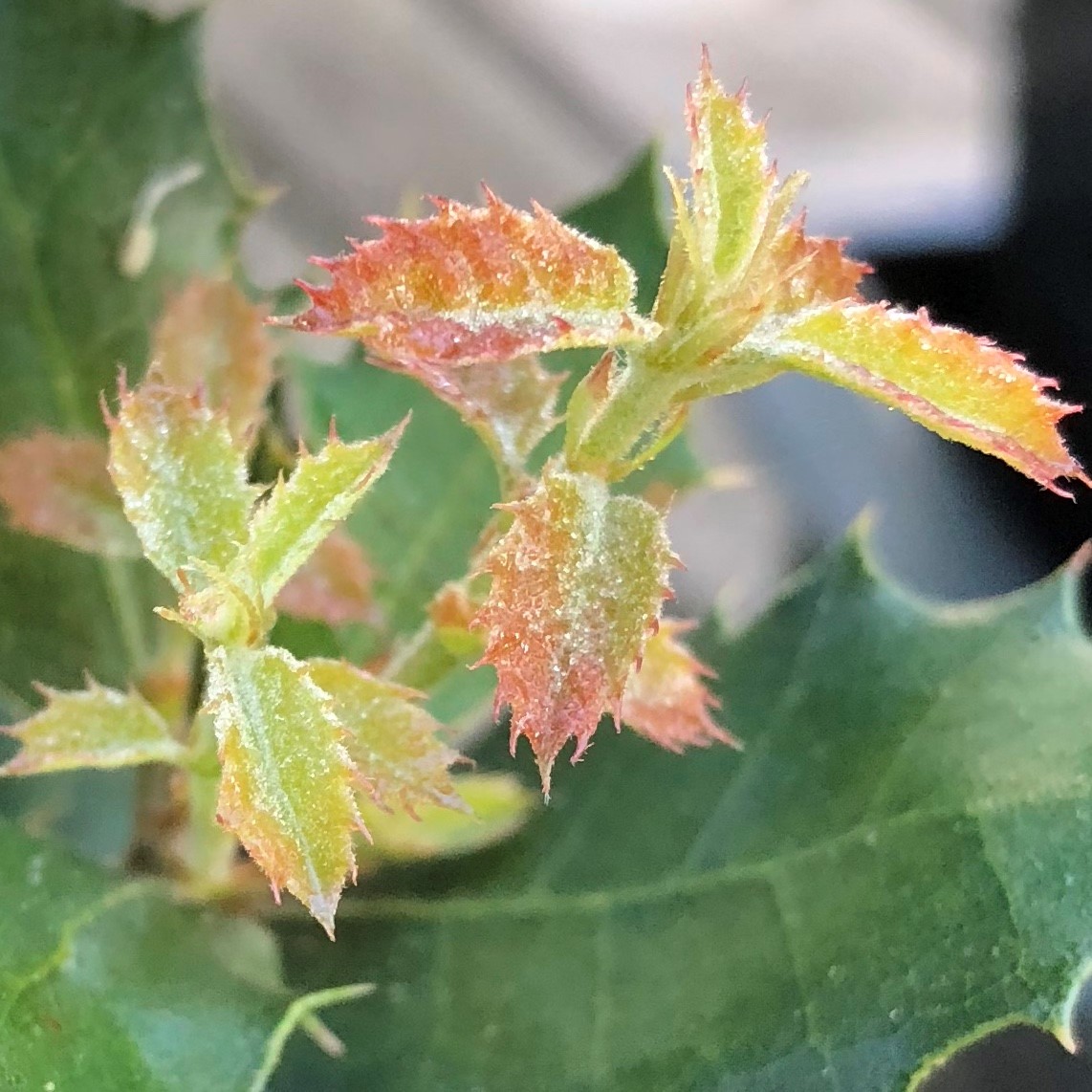
It is written in the entry for Quercus chrysolepis at www.efloras.org that “Quercus chrysolepis is one of the most variable North American oaks.” If this comment relates primarily to the mature plant and its characters, it’s also true of the youngest leaves in development. While the new, emergent leaves of the average young plant show primarily green, the outliers show a stunning variability in color and other features. The photos in this suite were taken in May 2018 of the first leaves in the second year of these plants’ lives. The acorns were collected in 2016 from seven seed sources at Palomar Mountain State Park in California that exhibit typical Q. chrysolepis characteristics, in the same general area where a population of Q. wislizeni with golden abaxial trichomes has been observed (California State Parks permits #CDD-2016-008-PMSP and #CDD-2017-018-PMSP).
|
|
|
|
|
|
|
|
|
|
|
|
|
|
|
|
|
|
|
|
|
|
|
|
|
|
|
|
|
|
|
|
|
|
|
|






Content by the Same Author
The International Oak Society acknowledges the generous support of the following institutions:
Supporting Institutional Members




Standard Institutional Members